
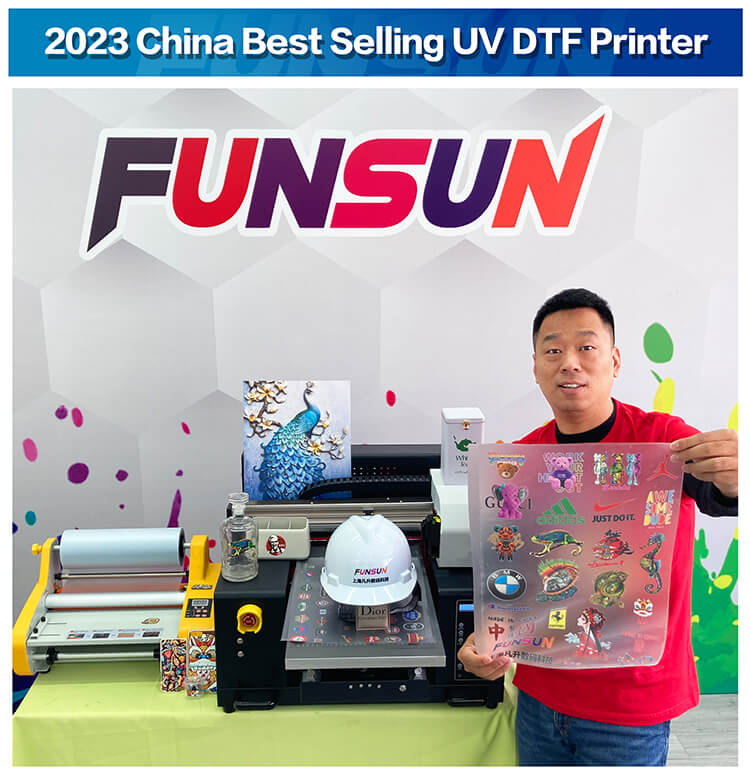
UV DTF printing, or ultraviolet direct to film printing, is revolutionizing the way businesses approach customized printing solutions. This innovative technology blends the benefits of UV printing technology with the versatility of film transfers, offering a plethora of advantages over traditional printing methods. Unlike conventional techniques that often limit creativity due to their rigid processes, UV DTF printing provides remarkable flexibility and efficiency, allowing for vibrant, high-quality prints on various materials. Furthermore, this eco-friendly printing approach resonates with the growing consumer demand for sustainable options, minimizing the environmental impact typically associated with traditional ink usage. As we explore the dynamic world of UV DTF printing, we will uncover how its unique features position it as a preferred choice for businesses aiming to captivate their audiences with stunning designs and exceptional durability.
When it comes to the printing process, many industry professionals are turning toward UV direct to film printing—a modern alternative to older techniques like screen and offset printing. This cutting-edge method integrates UV printing with transfer film technology, delivering breathtaking prints with high precision across multiple surfaces. Unlike traditional approaches that may involve time-consuming setups and limited customization, this advanced technique is gaining traction for its adaptability and eco-friendly attributes. Businesses seeking unique printing options can benefit from the timely and detailed outputs that UV DTF printing provides. As we delve deeper into this topic, we will highlight how this innovative process is reshaping the landscape of personalized and environmentally conscious printing.
Understanding UV DTF Printing
UV Direct to Film (DTF) printing is an advanced method that combines UV printing technology with the convenience of film transfers. This hybrid approach allows for printing on an extensive range of materials, such as textiles, plastics, and even glass, catering especially to personalized products. Recent innovations have drastically improved UV DTF printing capabilities, exemplified by machines like the eufyMake UV Printer E1, which produces remarkably detailed textures and vibrant colors. This technology has become increasingly popular across various industries due to its versatility and high-quality output.
In contrast to traditional printing methods, UV DTF offers remarkable flexibility, accommodating different substrate materials without the limitations faced by techniques like screen or offset printing. This adaptability is crucial for businesses looking to meet the ever-changing demands of consumers. The capacity to create intricate and customized designs in a fraction of the time solidifies UV DTF’s position as a leading choice for modern printing needs.
Comparing Traditional Printing Methods
Traditional printing methods, such as screen printing and offset printing, have been the backbone of the industry for decades. While they are reliable, these methods tend to have a longer setup time and are often limited in their adaptability to different materials and designs. For businesses that require quick turnaround times or small production runs, traditional printing techniques can become impractical and costly. Each method requires specific setups, often demanding more resources and time to prepare for production.
Moreover, the level of detail and vibrancy achieved by traditional methods can sometimes fall short compared to modern UV DTF printing. Techniques like screen printing may not capture the intricate designs and vibrant colors that are achievable with UV inks. As a result, adopting UV DTF technology allows businesses to create superior quality prints that can meet the demands of even the most discerning customers.
Advantages of UV DTF Printing
The advantages of UV DTF printing are numerous, with durability being a standout feature. Unlike traditional inks that can fade or smudge over time, UV inks cure quickly and produce prints that are scratch-resistant and exceptionally long-lasting. This quality makes UV DTF an ideal choice for both consumer goods and industrial applications, where longevity is paramount. Businesses can therefore ensure that their products remain visually appealing and intact even under heavy use.
Another significant advantage is the eco-friendliness of UV DTF technology. Many modern UV printers utilize environmentally conscious inks, generating fewer volatile organic compounds (VOCs) than traditional solvent-based inks. This shift aligns contemporary manufacturing practices with consumer preferences for sustainable options. As businesses increasingly recognize the importance of green solutions, UV DTF printing stands out as a responsible choice that can help improve brand reputation while meeting eco-conscious consumer demands.
Market Growth of DTF Printing
The DTF printing market has been experiencing significant growth, driven by technological advancements and a rising consumer demand for customized products. Companies like EazyDTF are leading the charge, focusing on innovations that enhance printing capabilities and efficiency. As more businesses recognize the competitive edge offered by DTF printing, investments in larger formats and faster equipment are becoming commonplace. This growth trend reflects a broader shift towards personalization, with consumers increasingly seeking out unique and tailored products.
Furthermore, this evolving market is characterized by a push towards hybrid printing solutions that integrate traditional techniques with the efficiencies of UV DTF printing. By combining the strengths of both worlds, businesses can offer customers both quality and customization, leveraging the capabilities of innovative technologies like UV DTF to meet diverse printing needs.
Emerging Trends in Printing Technologies
As the printing industry continues to evolve, several emerging trends are reshaping the landscape. One notable trend is the increasing focus on sustainability, with many consumers prioritizing eco-friendly products in their purchasing decisions. This shift is prompting printers to adopt technologies that minimize environmental impact, such as UV DTF, known for its low VOC emissions. Businesses that embrace sustainable practices can not only meet consumer demands but also enhance their marketability.
In addition to sustainability, the demand for personalized products is becoming paramount. Consumers today want unique items that reflect their individual style, leading businesses to explore UV DTF printing for its capacity to deliver customized solutions efficiently. As more companies implement these modern technologies, personalization will increasingly define the competitive landscape, compelling traditional printers to adapt or risk obsolescence.
The Future of UV DTF Printing
The future of UV DTF printing looks promising as technological advancements continue to push the boundaries of what’s possible. With ongoing improvements in printer capabilities and techniques, businesses can expect greater efficiency and stunning print quality. Innovations, such as integrating artificial intelligence in printing processes, may further enhance speed and reduce costs, allowing for even smaller runs with remarkable precision. This trajectory will likely solidify UV DTF as a transformative tool in the print industry.
As sustainability evolves from a trend to a necessity, UV DTF printing’s eco-friendly characteristics make it a viable choice for businesses committed to reducing their carbon footprint. The shift toward greener practices is not just about meeting regulatory requirements; it also resonates with an increasingly conscientious consumer base. As UV DTF technology continues to mature, its role in the future of printing will be crucial for businesses seeking to align with market values and expectations.
Frequently Asked Questions
What are the key advantages of UV DTF printing compared to traditional printing methods?
UV DTF printing offers several advantages over traditional printing methods, including enhanced durability, eco-friendliness, and superior image quality. Unlike standard inks, UV inks cure rapidly, resulting in scratch-resistant prints that remain vibrant over time. Additionally, UV DTF printing utilizes low VOC emissions, making it a more sustainable choice for businesses seeking eco-friendly printing solutions.
How does UV DTF printing technology improve the quality of custom prints?
UV DTF printing technology enhances the quality of custom prints by providing sharper details and vibrant colors, which often exceed the capabilities of conventional methods like screen printing. This precision is particularly beneficial for intricate designs and customized products, ensuring that businesses can deliver high-quality outputs that meet consumer expectations.
Is UV DTF printing an eco-friendly option compared to traditional methods?
Yes, UV DTF printing is considered an eco-friendly option. Many UV printers use eco-solvent or UV-curable inks that generate fewer volatile organic compounds (VOCs) than traditional solvent-based inks. This aligns with the increasing demand for sustainable printing practices in today’s market.
What types of surfaces can UV DTF printing be applied to?
UV DTF printing is highly versatile and can be applied to a wide range of surfaces, including textiles, plastics, glass, wood, and acrylic. This adaptability makes it an ideal choice for businesses looking to offer customized printing solutions on various materials.
How does UV DTF printing compare in speed and efficiency to traditional printing methods?
UV DTF printing significantly outperforms traditional printing methods in speed and efficiency. Traditional methods, like screen printing, often require extensive setup and can be time-consuming for small runs. In contrast, UV DTF printing allows for on-demand production, enabling quicker turnaround times for customized orders.
What role does UV DTF printing play in the growing demand for personalized products?
UV DTF printing plays a crucial role in addressing the growing demand for personalized products by enabling businesses to create unique and customized prints quickly and cost-effectively. Its flexibility and high-quality output make it an attractive option for companies aiming to meet consumer preferences for tailored products.
| Feature | UV DTF Printing | Traditional Methods |
|---|---|---|
| Durability | Scratch-resistant and long-lasting prints due to rapid curing time | Inks may fade and deteriorate over time, leading to less durability |
| Eco-friendliness | Utilizes eco-solvent or UV-curable inks with low VOC emissions | Traditional solvent-based inks contribute to higher VOC emissions |
| Quality and Precision | Achieves sharper details and more vibrant colors | Quality can be lower, especially for intricate designs |
| Flexibility | Can print on various surfaces and adapt to changing designs | Limited flexibility, often requiring specific setups for different materials |
| Setup Time | Quick setup without screens or plates, faster turnaround | Lengthy setup process, impractical for short runs or custom orders |
| Speed and Efficiency | On-demand printing reduces production times | Generally slower due to setup requirements |
Summary
UV DTF printing presents a contemporary solution that revolutionizes the printing landscape with its exceptional durability and versatility. This method combines the strength of UV printing with the precision of film transfers, making it suitable for an array of surfaces including textiles and plastics. As industries progressively prioritize eco-friendliness and high-quality outputs, UV DTF printing emerges as the leading choice, providing businesses with the competitive edge they need to thrive. The growth of this technology signals a promising future where customization and rapid turnaround times will dominate, catering precisely to the evolving demands of consumers.