
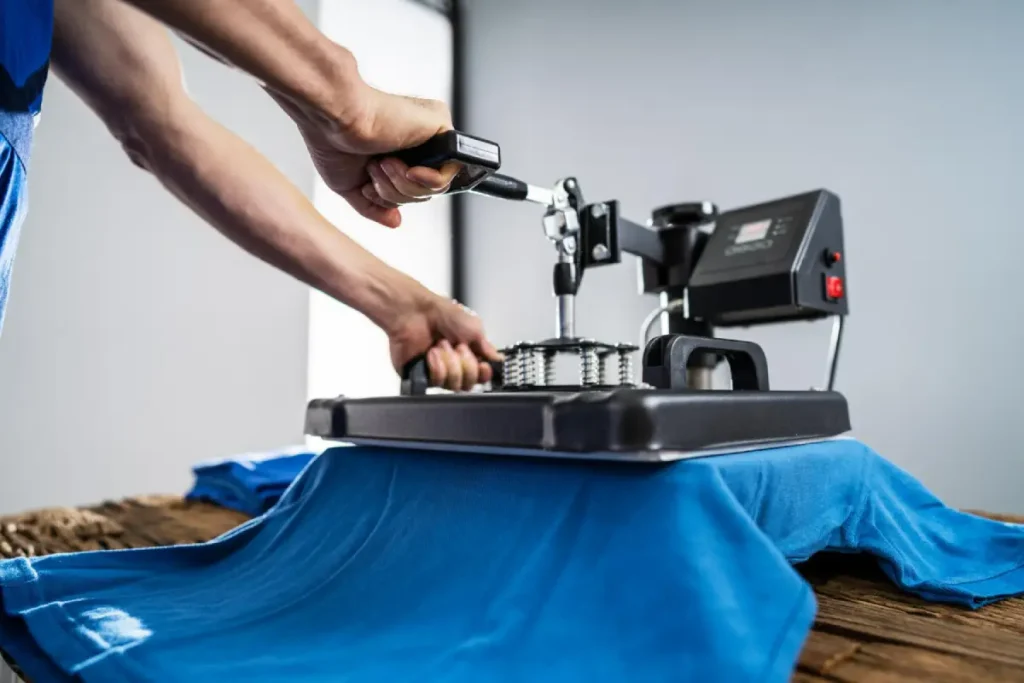
The modern apparel market is no longer forgiving of “good enough.” As consumer expectations for retail-level detail and long-term durability reach an all-time high, the independent brand owner must pivot from being a generalist to a specialist. The dtf printing technology in your studio is not just a tool for customization; it is a sophisticated manufacturing asset. To capture the premium segment of the market, you must treat your workflow not as a creative hobby, but as a rigid, data-backed production cycle.
The “retail-grade” feel that separates a $50 shirt from a $15 promotional item is entirely a product of Material Science. When you use professional-grade dtf transfers, you are engineering a bond between a complex TPU polymer and a textile weave. If your process isn’t calibrated, that bond will eventually succumb to the rigors of daily wear. Harwin’s core philosophy is simple: standardize, audit, and iterate.
The Technical Blueprint: Precision Over Passion
Passion fuels the design, but precision fuels the business. To achieve consistency that keeps customers returning, you must eliminate the variables that cause product failure.
- The Pre-Press Essential: Fibers are natural moisture traps. Skipping a 10-second pre-press is a fatal error—steam trapped beneath the transfer will physically prevent the adhesive from fusing with the textile fibers, ensuring the print will peel prematurely.
- PSI Standardization: Pressure is the overlooked engine of adhesion. Using a press that displays digital PSI allows you to define a “Force Profile” for every fabric in your shop. Consistency in pressure equals consistency in profit.
- Curing Integrity: The transition from liquid to solid adhesive must be controlled. Rapid cooling is not just about speed; it is about “locking” the chemical bond into the fiber structure. Never rush the cooling phase.
Supply Chain Resilience: The “Near-Me” Strategy
Inventory is the silent killer of profitability. Every dollar you spend on pre-printed stock is a dollar you cannot spend on marketing or R&D. Searching for dtf transfers near me is the most practical way to transition into a “Lean Manufacturing” model. By working with a regional printing partner, you reduce your lead times to near zero, allowing you to react to market trends with the speed of an agile startup.
This localized partnership is more than just a procurement strategy; it’s a technical alliance. A regional partner who meets Harwin’s quality standards can assist in “recipe development”—adjusting ink density for specific fabric weights or testing specialized powder finishes that help your brand stay ahead of aesthetic trends. This collaboration keeps your overhead low while giving you access to industrial-grade output quality.
Institutionalizing Your Quality Assurance
If your shop’s quality depends on the “feeling” of the operator, your business cannot grow. To scale, you must codify your knowledge into a **Master Production Ledger**. This digital or physical document acts as the source of truth for your entire team, containing the exact thermal profiles, PSI settings, and cooling durations for every SKU you offer.
Furthermore, internal durability testing is your strongest marketing asset. By subjecting your own inventory to “Accelerated Wear Audits”—high-heat, industrial laundry cycles—you gain the empirical data needed to back your quality claims. When you can market your brand with an ironclad promise of longevity, you elevate yourself out of the commodity print market and into the high-margin world of professional apparel.
Frequently Asked Questions
Why does “pre-pressing” change my results?
Pre-pressing is a moisture-evacuation technique. Residual humidity in the fabric turns into steam instantly upon contact with a 300°F heat press. This steam creates a physical gap between the adhesive and the fibers, preventing the molecular bond required for a long-lasting print.
How do I differentiate a premium transfer from a generic one?
Look for “Elastic Memory.” A premium transfer will stretch and retract along with the garment without developing white stress marks. If a print looks brittle or shows cracks after one stretch, the adhesive chemistry is likely too rigid for long-term wear.
Is this process safe for high-end synthetic sportswear?
It is, provided you use the correct film chemistry. Synthetic fibers require lower temperatures and specific “low-melt” adhesive powders. Always perform a thermal stress test on a scrap piece of your specific synthetic fabric before committing to a full production run.
What is the most effective way to audit my production output?
Implement the “Stress-to-Failure” protocol. Select one garment from every production batch and run it through a heavy-duty laundry cycle with high-heat drying. If the graphic shows zero degradation after five cycles, your production process is calibrated for premium retail distribution.
Building a successful, high-quality apparel brand is a journey of continuous technical refinement. By mastering the potential of dtf, you position your brand to compete at the highest level of the custom merchandise market. Harwin is committed to providing the industry insights you need to turn your production floor into a professional, profitable enterprise. Start optimizing your workflow today—your commitment to quality is the most valuable investment you can make for your brand’s future.