
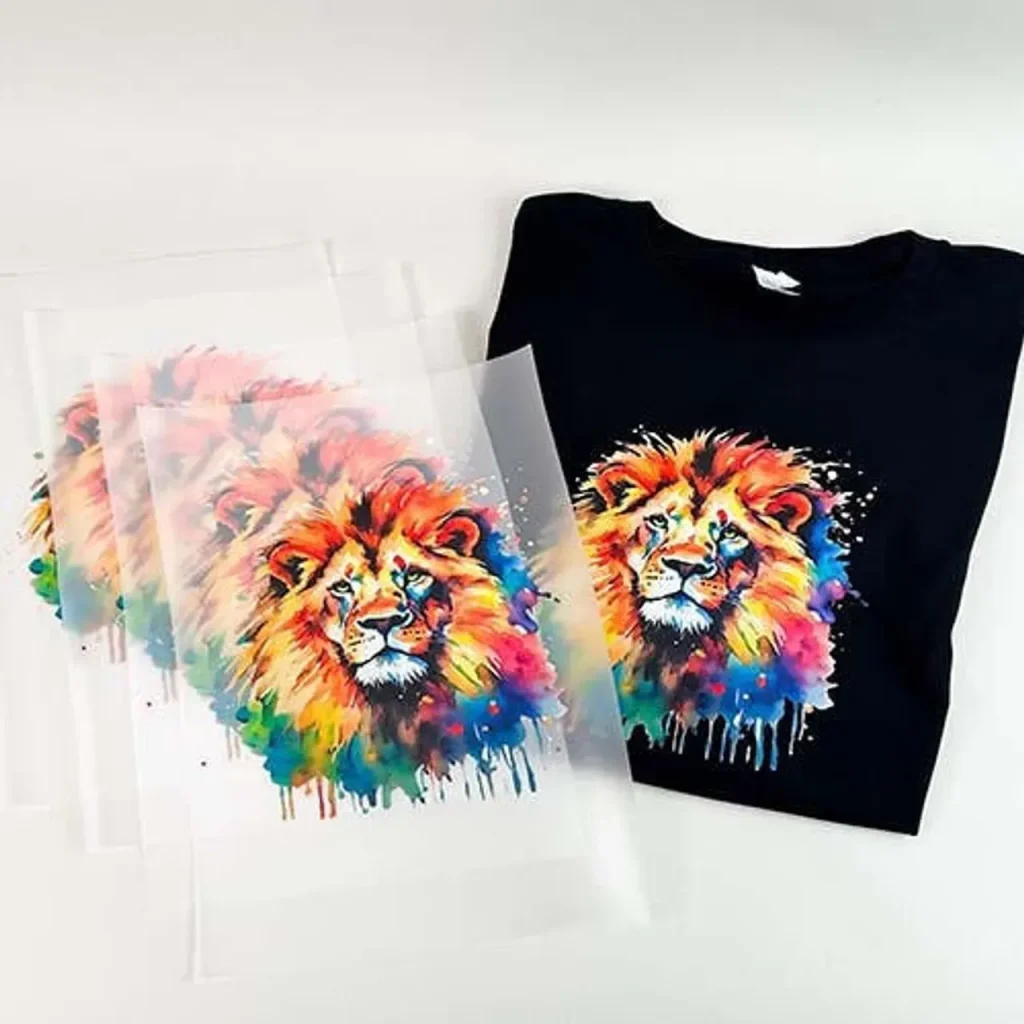
DTF Transfers, or Direct to Film Transfers, are reshaping the custom apparel landscape with innovative T-shirt printing technology. This method utilizes high-quality inks to print designs directly onto a specialized film, which is then transferred onto various fabric types, facilitating remarkable print quality and vibrant colors. As the demand for unique and personalized merchandise grows, DTF printing emerges as a versatile option, offering opportunities for both established brands and startups to flourish in the market. By allowing for intricate designs and resilience across multiple materials like cotton and polyester, DTF transfers stand out as a popular choice for garment printing. In this article, we will explore how this advanced technique is revolutionizing the way businesses approach custom apparel and meeting the evolving needs of consumers.
The landscape of T-shirt printing is evolving thanks to advancements in Direct to Film technology, often referred to as DTF printing. This cutting-edge apparel printing method delivers not only vibrant colors and sharp details but also a level of customization that traditional techniques struggle to match. As small businesses and entrepreneurs increasingly turn toward this innovative technique for custom garment creation, they unlock new avenues to cater to consumer demands for personalized products. Furthermore, the flexibility of DTF printing across various fabric types makes it a compelling choice for manufacturers looking to diversify their offerings. With its unique capabilities for high-quality prints, DTF technology is rapidly becoming synonymous with the future of custom apparel.
The Revolution of DTF Printing
Direct to Film (DTF) printing represents a groundbreaking advancement in the field of custom apparel. This method utilizes high-resolution printing technology to create stunning visual displays on film, which can easily be transferred to a variety of fabric types. Unlike traditional printing methods, DTF offers vibrant colors and intricate details, making it an ideal choice for brands aiming to stand out in today’s competitive market. As the demand for customizable products continues to rise, DTF printing is positioned at the forefront of a wave of innovation in the industry.
The versatility of DTF printing makes it a captivating choice for many businesses, particularly those specializing in T-shirt printing. With the ability to print on cotton, polyester, and blended fabrics, DTF transfers open up new avenues for creativity and product offerings. As the T-shirt printing technology evolves, brands are increasingly incorporating DTF into their operations, further enhancing their ability to meet consumer demands for high-quality, unique designs.
Advantages of DTF Transfers in Apparel
One of the most significant advantages of DTF transfers is their remarkable print quality. This method allows for the production of detailed graphics that maintain their integrity even after multiple washes. Businesses can achieve eye-catching results that not only appeal to customers but also foster brand loyalty. This exceptional durability and detail often set DTF printing apart from traditional techniques, making it a go-to choice for custom apparel makers.
In addition to superior print quality, DTF printing offers unparalleled cost efficiency, particularly for small batch runs. Unlike traditional screen printing, which requires costly setups and minimum quantity orders, DTF printing requires less upfront investment, allowing smaller businesses to enter the market and offer personalized products without significant financial risk. This democratization of the apparel printing process has facilitated a surge in entrepreneurship within the custom apparel space.
Current Trends in DTF Printing
The recent surge in popularity of DTF printing reflects a broader trend in the custom apparel industry towards personalization and unique consumer experiences. As consumers seek out distinctive products, businesses utilizing DTF technology can more easily adapt to market demands by offering bespoke items that resonate with their clientele. This adaptability is essential for brands looking to thrive in a rapidly evolving marketplace.
Furthermore, the trend towards advanced printing technologies is not limited to aesthetic appeal; it’s also about finding sustainable practices. As DTF printing gains traction, manufacturers are increasingly looking for eco-friendly inks and processes, reflecting a growing consumer preference for responsible production methods. By embracing DTF printing, businesses can align their practices with market expectations, enhancing their corporate social responsibility.
How DTF Technology is Shaping Custom Apparel
DTF technology is reshaping the industry of custom apparel by empowering smaller enterprises to compete with larger corporations. This technology enables startups to showcase their creativity and reach niche markets effectively. The growing trend towards personalization cultivates a landscape where unique T-shirt designs thrive, appealing to customers eager for products that reflect their individual style.
Retailers are responding to consumer preferences by expanding their offerings to include customized items produced using DTF technology. This shift not only addresses the demand for tailored products but also enhances overall consumer engagement with brands. By leveraging DTF printing, custom apparel businesses can cultivate stronger relationships with their customers, fostering loyalty and encouraging repeat purchases.
Challenges Faced by DTF Printing Adopters
While the advantages of DTF printing are compelling, businesses must also navigate several challenges when adopting this technology. Initial equipment costs can be a barrier for some, particularly for smaller outfits with limited budgets. Investing in high-quality DTF printers and related materials requires careful financial planning, and ensuring a return on investment is crucial for long-term sustainability.
Moreover, the technical aspects of DTF printing demand a learning curve for staff operators. Understanding the equipment and ensuring optimal output quality can require significant training and experience. As businesses embrace DTF technology, they must allocate resources towards employee training to maximize the benefits of this innovative printing method and to maintain a high standard of product quality.
The Future of DTF Printing in the T-Shirt Industry
The future of DTF printing in the T-shirt industry looks promising, with continued advancements in technology and a growing market for personalized apparel. As more businesses adopt DTF methods, the potential for innovation in design and production processes expands. This trend will likely lead to more sophisticated printing techniques and products, further broadening the spectrum of available T-shirt designs.
Additionally, as the global demand for sustainable practices rises, DTF printing could offer solutions through eco-friendly inks and processes. By incorporating sustainable methods into their production, apparel businesses can attract environmentally-conscious consumers and reinforce their commitment to social responsibility.
Frequently Asked Questions
What are DTF Transfers and how do they work?
DTF Transfers, or Direct to Film Transfers, are a method of printing designs onto a specialized film, which is then applied to fabrics using heat. This process involves printing high-quality images onto the film with DTF printing techniques, followed by adding an adhesive powder that aids in the transfer of vivid colors and intricate details onto T-shirts and other garments.
What advantages does DTF printing offer over traditional T-shirt printing methods?
DTF printing provides several advantages over traditional methods like screen printing, including higher detail and color quality, versatility across various fabric types (including cotton and blends), and cost efficiency for small batch orders, making it a popular choice for custom apparel manufacturing.
Can DTF Transfers be used on different types of fabrics?
Yes, DTF Transfers are highly versatile and can be applied to a variety of fabrics, including cotton, polyester, and blended materials. This diversity allows apparel manufacturers to expand their product offerings beyond the limitations of other printing technologies, such as sublimation.
How does the print quality of DTF Transfers compare to other printing techniques?
The print quality of DTF Transfers is one of their standout features. They deliver vibrant colors and intricate details that may be difficult to achieve with traditional screen printing. This exceptional quality is appealing for businesses looking to create unique, high-quality custom apparel.
What factors should businesses consider when transitioning to DTF printing technology?
When transitioning to DTF printing, businesses should consider the initial investment in specialized equipment, necessary training for staff, and the potential learning curve involved. Additionally, they must evaluate production speed and volume capabilities compared to traditional methods, ensuring that DTF meets their operational needs.
How is DTF printing impacting the custom apparel market?
DTF printing is significantly impacting the custom apparel market by enabling businesses to offer personalized merchandise more efficiently. With rising consumer demand for unique and tailored products, DTF transfers empower retailers to innovate and expand their product lines, potentially enhancing customer loyalty and engagement in the marketplace.
| Key Points |
|---|
| DTF Transfer Definition: A modern printing technique that transfers designs onto fabric using a film and adhesive powder. |
| Advantages: High detail and color quality, versatility across different fabric types, and cost efficiency for small batches. |
| Market Demand: Increasing consumer interest in custom apparel is driving the growth of DTF technology in the industry. |
| Impact on T-Shirt Business: Enhanced creativity, customization options, and stronger customer loyalty due to personalized products. |
| Challenges: Initial investment and learning curve for equipment, along with potential production speed limitations. |
Summary
DTF Transfers are revolutionizing the apparel industry, particularly in custom printing for T-shirts. This innovative technology not only enhances print quality but also offers unique challenges and considerations that businesses must navigate. The transformation brought by DTF printing facilitates greater creativity and personalization, allowing small businesses to thrive in a competitive market. The ongoing developments in this area promise to continue reshaping how T-shirt printing is approached, offering exciting prospects for the future.