
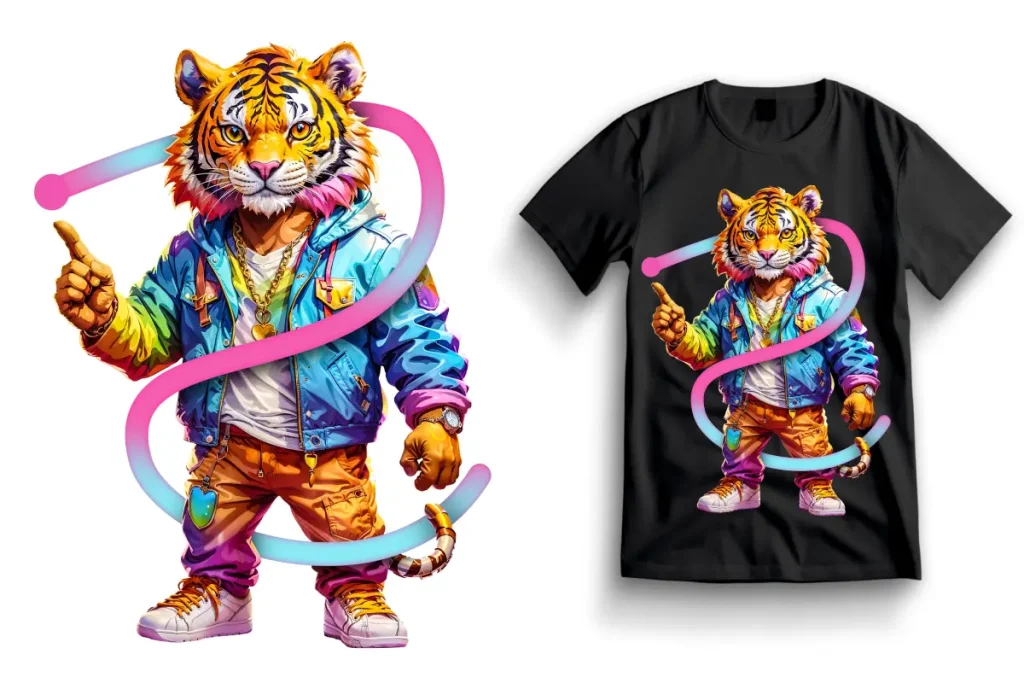
The garment decoration industry has completely evolved with the arrival of modern printing techniques that dismantle the barriers of traditional setups. If you are a fashion entrepreneur, custom merchandise creator, or small business owner looking for crisp, vibrant, and incredibly long-lasting apparel graphics, high-quality dtf transfers offer the perfect operational answer. This breakthrough digital method skips the painful weeding times of vinyl cutting and the expensive setup multi-color screen printing requires, letting you press beautiful designs onto almost any substrate in seconds.
For independent brands operating on rapid turnarounds, sourcing materials locally acts as a critical safety net against unpredictable shipping cycles and logistics bottlenecks. Actively searching for reliable dtf transfers near me guarantees that you can fulfill a surprise batch order or unexpected restock without waiting days for a delivery truck. If you are specifically operating inside the Texas market, locking in the absolute best dtf transfer at Houston ensures your finished apparel looks distinctly professional, holds its structure flawlessly in the wash, and offers that highly desired retail feel your customers expect.
Why Digital Film Transfer Beats Old School Custom Printing
Understanding why the entire custom textile market is consolidating around DTF technology requires examining how it handles fabric limitations. For years, decoration methods forced you to compromise: sublimation only worked beautifully on light-colored 100% polyester, while screen printing became economically unviable unless you ordered hundreds of the exact same design. Direct-to-film bypasses these boundaries entirely by printing a digital image onto a specialized clear release film, coating it with a heat-activated adhesive powder, and curing it into a ready-to-apply asset.
This process means your production versatility instantly multiplies. Whether you are transferring an intricate illustration onto a pitch-black cotton hoodie, an athletic logo onto a delicate nylon sports jersey, or a rustic emblem onto a thick canvas tote bag, the physical mechanism remains identical. The transfer bonds with the fibers smoothly, creating an opaque, vibrant, and flexible layer that moves naturally with the garment instead of feeling like a rigid plate glued to the chest.
Advanced Component Breakdown: Inks, Films, and Adhesives
A true commercial-grade transfer depends heavily on the chemical harmony of its components. When apparel shops partner with an industry leader like Harwin DTF, they notice an immediate difference in material integrity compared to entry-level desktop modifications. Let us analyze the technical pillars that dictate premium transfer quality:
- High-Density Water-Based Inks: Premium systems use specialized pigment inks formulated with high cyan, magenta, yellow, and black saturation. More importantly, the system lays a heavy, perfectly registered white underbase over the colors, preventing dark fabric dyes from bleeding through or dimming your graphic.
- Engineered Release Films: The clear film backing must feature a precise matte coating that holds wet ink droplets in place without allowing them to puddle or blur. At the same time, it must release the cured ink cleanly during the peeling process without tearing fine lines.
- Premium Polyurethane Powder: The hot-melt powder functions as the structural bridge. A premium polyurethane adhesive melts evenly under controlled heat, establishing a cross-linked chemical bond with the textile fibers that remains highly elastic after cooling.
The Strategic Business Value of Local Texas Production
Operating a successful custom merchandise brand relies just as heavily on supply chain responsiveness as it does on artistic creativity. Securing a trusted Houston dtf transfer source changes your operational math by reducing your capital risk. Instead of predicting which design sizes will sell out three weeks in advance and over-purchasing blank stock, you can run a highly lean, print-on-demand model that prints exactly what your audience buys in real-time.
A local production partner also acts as a powerful buffer against emergencies. Imagine a corporate client ordering an extra eighty custom polo shirts for a major trade show happening in downtown Houston over the weekend. A local facility allows you to pick up your custom gang sheets directly, bring them back to your workshop, heat press the garments, and hand over the completed order on the exact same afternoon. This kind of lightning-fast local agility earns customer loyalty that distant online-only vendors simply cannot match.
Critical Design File Preparations for Maximum Crispness
While industrial print machinery can capture phenomenal detail, the output is fundamentally limited by the quality of your digital input files. To ensure your text remains razor-sharp and your colors look incredibly clean, your design assets must meet exact graphic standards before printing. Always construct or export your digital canvas at 300 DPI (Dots Per Inch) at the exact physical dimensions you want printed on the clothing.
The most vital factor to double-check is background transparency. Because the commercial print software reads any visible pixel as an instruction to lay down heavy white ink, any soft edge glows, stray semi-transparent pixels, or hidden background layers will result in a messy white outline or box around your final pressed graphic. Always utilize native vector formats such as transparent PDFs or clean EPS files, or high-resolution PNGs with hard, cleanly erased edges to keep your artwork looking pristine.
The Master Pressing Guide: Time, Temperature, and Technique
Applying your custom graphics onto your inventory is an accessible process, but achieving a truly permanent, commercial-grade bond requires balancing heat, duration, and mechanical force. Skipping steps or guessing settings will lead to premature cracking or peeling. Follow this precise professional technique to ensure zero application failures:
- The Moisture Purge: Position your blank apparel onto the bottom platen of your heat press and lock down the machine for 4 to 6 seconds. This simple step drives out hidden ambient moisture trapped inside the garment fibers and flattens out any creases, providing a flat surface for optimal adhesive contact.
- The Film Alignment: Center your printed film sheet on the preheated fabric with the textured adhesive side touching the garment. Use a standard t-shirt ruler or laser alignment guide to check your margins before locking down the upper heat plate.
- The Primary Application Press: Lower your heat press arm. For standard cotton garments and heavy blended fabrics, maintain a temperature range between 300°F and 315°F (150°C to 157°C). Apply firm, medium-to-heavy pressure continuously for 12 to 15 seconds.
- The Absolute Cooling Window: Carefully pull the garment off the press and set it aside on a smooth, clean surface. Let it cool down entirely to room temperature. Peeling the carrier sheet while the adhesive remains hot will compromise the bond and tear fine graphic details.
- The Cold Peel Execution: Once the transfer feels totally cold to the touch, hold one edge of the garment down firmly with one hand while grabbing a corner of the film with the other. Roll the film away from the design in a smooth, continuous, and low motion.
- The Essential Post-Cure Press: Place the decorated garment back onto the heat press pad. Cover the exposed design with a sheet of high-quality parchment paper or a silicone sheet, then press one last time for 5 to 7 seconds. This final step drives the ink deep into the fabric weave, eliminates the plastic gloss texture, and locks in a retail-quality matte finish.
Frequently Asked Questions
What is the average lifespan of a custom film transfer on a standard garment?
When applied properly using the correct commercial temperature, pressure, and time variables, these prints easily last for 50 to 60 thorough wash cycles before showing signs of minor fading. This exceptional durability matches or outperforms traditional screen prints over long-term ownership.
Can I safely apply these transfers to sensitive synthetic materials?
Yes, you can apply them to delicate synthetic fibers like 100% polyester, spandex, and nylon. However, because synthetics are prone to heat scorching, you should lower your application temperature to around 275°F to 285°F (135°C to 140°C) and utilize a protective cover sheet during the pressing cycle.
What does the term gang sheet mean in the custom apparel industry?
A gang sheet is a large, continuous area of transfer film where multiple independent designs, left-chest logos, and custom neck labels are packed tightly together into a single layout. This clever arrangement allows print shops to minimize material waste and drastically reduce their per-unit printing costs.
Why do some transfers feel stiff right after the initial application?
A slight initial stiffness is completely normal due to the cured nature of the hot-melt adhesive powder. As soon as the garment undergoes its very first standard laundry wash, the adhesive relaxes completely, leaving a incredibly soft, lightweight, and pliable texture against the skin.
Scale Your Brand with Flawless Production Support
Upgrading your custom apparel business with modern digital transfer workflows allows you to say yes to complex, multi-colored client requests without worrying about high setup overhead or minimum order counts. By cutting away the labor-intensive stages of old-school garment decoration, you gain the freedom to invest your energy into expanding your portfolio and signing new accounts. Partnering with Harwin DTF provides your business with access to highly reliable, vibrant, and ultra-durable prints that keep your custom orders shipping out on schedule. Stop letting production limitations hold back your brand trajectory and experience the growth that premium, locally supported apparel decoration brings to your operations.