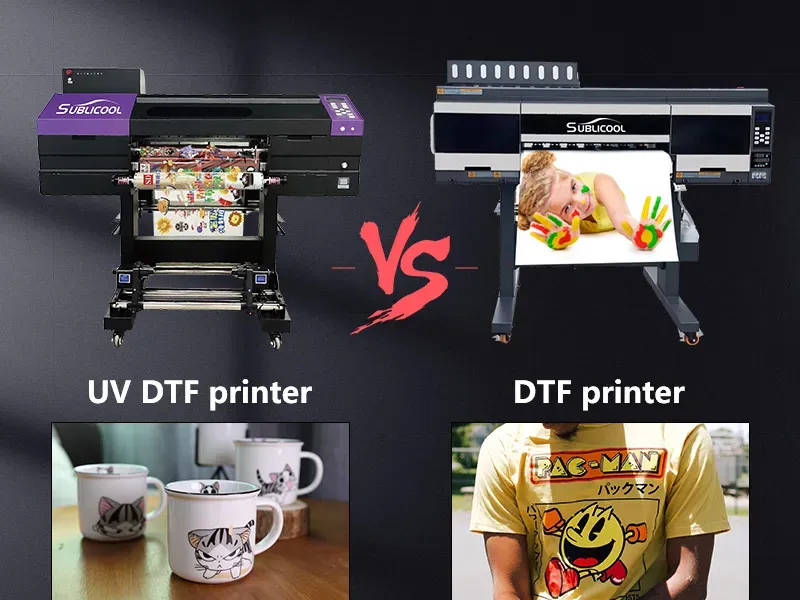
In the diverse world of printing technologies, the comparison between UV DTF vs Traditional Printing is crucial for anyone in the market for high-quality print solutions. As advancements in UV printing technology evolve, UV DTF stands out for its ability to produce vibrant colors and robust prints that can withstand the test of time. In contrast, traditional printing methods, while established, often fall short in versatility and consistency. This introductory analysis will dive into the advantages of UV DTF, highlighting the significant differences in print quality comparison and cost-effectiveness. Understanding these distinctions is essential for making informed decisions that can enhance promotional materials, custom apparel, or visual branding.
When exploring the realm of printing solutions, the debate between UV Direct to Film and more conventional techniques like screen or offset printing reveals the evolving preferences within the industry. Modern advancements have led to innovations in UV printing, providing a dynamic alternative that addresses many of the limitations associated with traditional printing approaches. These innovative techniques, such as DTF printing, highlight a growing trend towards enhanced durability and vividness in prints. As businesses seek efficient and reliable methods for their print jobs, understanding the nuances between these printing technologies becomes increasingly significant. By focusing on the pros and cons outlined in UV DTF vs traditional printing discussions, companies can better navigate their options to achieve the best results.
Understanding UV DTF Printing Technology
UV DTF printing technology stands at the forefront of modern printing methods, utilizing ultraviolet light to cure inks. This technique is especially valued for its exceptional color accuracy and the ability to create vivid, attention-catching graphics on various surfaces. Unlike traditional DTF processes, which traditionally use water-based adhesives, UV DTF creates a much stronger bond, leading to prints that not only look better but also endure longer under physical stresses.
This technology allows for high-quality outputs on a wide range of materials, including non-porous surfaces like metal, glass, and plastic, significantly expanding the scope of what can be printed. As certain industries push for innovative advertising solutions, their need for unique and durable prints has only increased. UV DTF serves this demand with unparalleled quality and versatility that sets it apart from more conventional printing methods.
Traditional Printing Methods Explained
Traditional printing methods, such as screen printing and offset printing, have long been established within the industry. These techniques, while effective, often come with limitations regarding color vibrancy and substrate compatibility. For instance, screen printing can struggle with fine details and gradient colors, making it less suitable for projects requiring intricate designs.
Moreover, traditional printing methods can be labor-intensive and time-consuming, which affects turnaround time and operational efficiency. Larger production runs can benefit from these methods, but their inflexibility might hinder quick adaptations to design changes or custom orders, leaving businesses at a disadvantage in a fast-paced market.
Comparing Advantages of UV DTF vs Traditional Printing
When weighing the advantages of UV DTF versus traditional printing, several critical factors come to light. UV DTF boasts superior durability due to its UV-cured inks, which resist fading and scratching better than most inks used in traditional methods. This makes UV DTF a prime choice for items subjected to outdoor conditions or frequent handling.
Additionally, UV DTF allows for printing on diverse materials, broadening the possibilities for creative applications. In contrast, many traditional printing methods are limited to specific substrates, making them less versatile. This ability to print on an array of surfaces without compromising quality positions UV DTF as a forward-thinking option in the printing landscape.
Durability of UV DTF Prints
Durability is perhaps one of the most significant advantages of UV DTF technology. The inks used in UV DTF printing provide exceptional resistance against environmental factors such as UV light, moisture, and physical wear. This superior durability translates into longer-lasting prints that maintain their vibrant colors, making them particularly advantageous for outdoor signage or promotional materials that need to withstand the elements.
On the other hand, traditional printing methods like screen printing may require additional coatings or protective layers to achieve similar durability levels. Even with these enhancements, the resistance of traditional inks to UV exposure and wear can never match that of UV-cured inks, reinforcing the idea that modern technology can offer superior solutions for longevity and aesthetic appeal.
Cost Comparison: Long-Term Investment in UV DTF
Initially, the investment for UV DTF technology can be higher due to the specialized equipment needed to carry out the process. However, this upfront cost is often mitigated by the lower long-term operational costs associated with less waste and more efficient ink usage. As businesses calculate their costs, they must consider the potential savings over time, which UV DTF printing provides.
In a comparative evaluation with traditional printing methods, which may have lower setups costs but incur higher operational expenses due to consumables, UV DTF emerges as a more cost-effective option in the long run. This shift in perspective encourages businesses to reconsider their printing operations, especially when quality and durability significantly influence customer satisfaction.
The Future of Printing: Market Trends and Innovations
As we look towards the future, the printing industry is increasingly embracing UV technologies, reflecting a broader trend toward efficiency and innovation. More print service providers are adopting UV DTF methods, largely due to the technology’s adaptability and ability to produce superior print quality at a higher speed than traditional processes. This alignment with market demands means businesses can respond quicker to changing consumer preferences.
Innovations in UV ink technology not only drive quality improvements but also align with growing environmental considerations, as newer formulations are designed to reduce harmful emissions. The rising interest in sustainable practices ensures that UV DTF printing remains well-positioned to meet both consumer and regulatory expectations, further solidifying its place in the future of printing technology.
Frequently Asked Questions
What are the key differences between UV DTF vs traditional printing methods?
The key differences between UV DTF and traditional printing methods lie in their processes and outputs. UV DTF utilizes ultraviolet light to cure inks directly onto the film, producing vibrant, high-quality prints on various surfaces. In contrast, traditional printing methods like screen and offset printing may not achieve the same color intensity and are often limited to specific materials. Additionally, UV DTF is more durable and versatile, making it suitable for outdoor applications, while traditional methods may require extensive setups.
What are the advantages of UV DTF compared to traditional printing?
UV DTF offers several advantages over traditional printing, including enhanced durability, versatility across non-porous surfaces, and superior image quality. UV DTF prints are resistant to scratches and fading, making them ideal for long-lasting applications. Furthermore, the process allows for easier customization and quicker turnaround times, unlike traditional printing, which often involves longer setup periods and may face color misregistration issues.
How does the print quality of UV DTF vs traditional printing compare?
When comparing print quality, UV DTF generally surpasses traditional printing methods. UV DTF achieves consistent, high-resolution results due to its digital printing process, which minimizes common issues such as uneven ink application and color misregistration found in traditional techniques. This leads to more reliable and visually striking prints, whether for promotional material or product packaging.
Is UV DTF more cost-effective than traditional printing in the long run?
While UV DTF may have a higher initial investment due to specialized equipment, it often proves more cost-effective in the long run. This is because UV DTF reduces material waste and lowers operational costs associated with ink usage. Traditional printing methods might have lower upfront costs but can incur higher ongoing expenses due to the need for consumables and labor, making UV DTF a viable alternative for many businesses.
Are there any environmental benefits of UV DTF compared to traditional printing methods?
Yes, UV DTF presents several environmental advantages over traditional printing methods. The technology primarily focuses on using UV inks that emit lower levels of volatile organic compounds (VOCs), contributing to a greener production process. Although traditional methods can also adopt eco-friendly practices, the inherent design of UV DTF aligns closely with sustainable printing goals, making it a more environmentally conscious choice.
What substrates can UV DTF print on compared to traditional printing methods?
UV DTF excels in printing on a wide variety of non-porous surfaces, such as plastics, metals, wood, and glass, while traditional printing methods are often limited to paper and fabric. This versatility allows businesses to expand their product offerings and meet unique customer needs more effectively with UV DTF, making it a preferable option for diverse printing applications.
| Key Points | UV DTF (Direct to Film) | Traditional Printing |
|---|---|---|
| Technology Overview | Uses UV light to cure inks, producing vibrant colors and strong adhesion. | Includes techniques like screen printing and offset printing, often less vibrant. |
| Advantages | Extremely durable, scratch and fade-resistant, ideal for outdoors. | Inconsistent color registration and less durable overall. |
| Versatility | Can print on a wide range of non-porous surfaces. | Limited to paper and fabric in many cases. |
| Environmental Impact | Lower VOC emissions, more eco-friendly practices. | Can adopt eco-friendly practices but not as effective inherently. |
| Cost Considerations | Higher initial investment but lower long-term costs due to efficiency. | Lower setup costs, but higher ongoing operational costs. |
| Quality and Consistency | Produces high-resolution, consistent prints with fewer errors. | Often struggles with color misregistration and uneven prints. |
| Market Trends | Growing adoption of UV technologies due to efficiency and quality. | Established methods slowly declining as UV DTF rises. |
Summary
UV DTF vs Traditional Printing is an essential topic for anyone looking to optimize their printing processes. As the printing industry evolves, UV DTF stands out as a modern solution, offering significant advancements over traditional methods. With its durability, versatility, and superior image quality, UV DTF provides businesses with the tools needed to meet contemporary demands in a competitive market. Understanding both techniques allows decision-makers to harness the strengths of UV DTF, ensuring greater efficiency and responsiveness to customer needs.