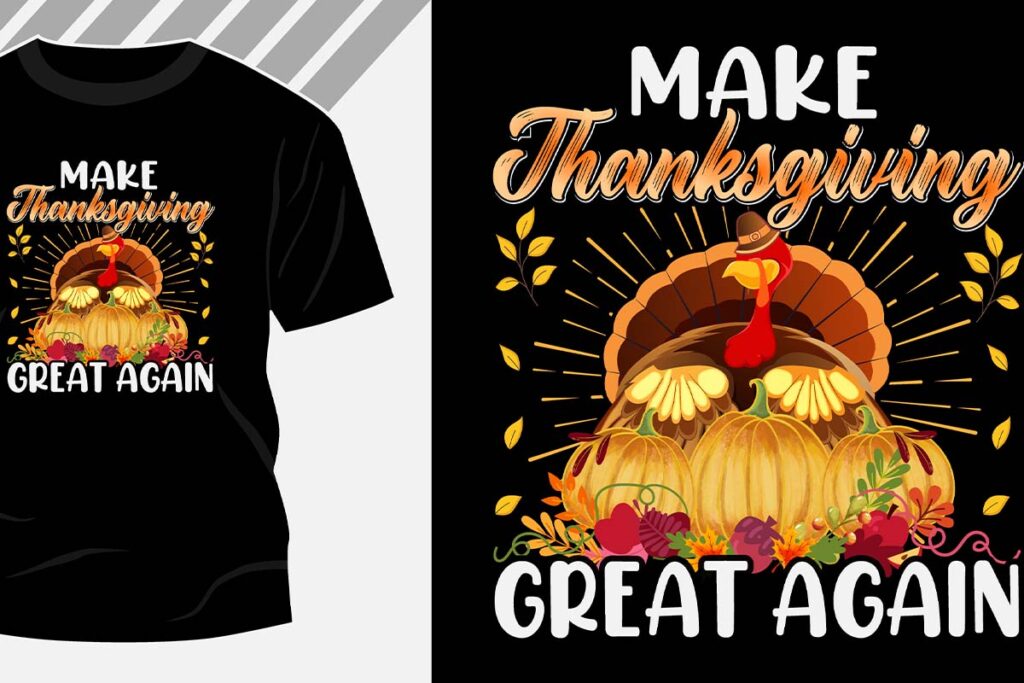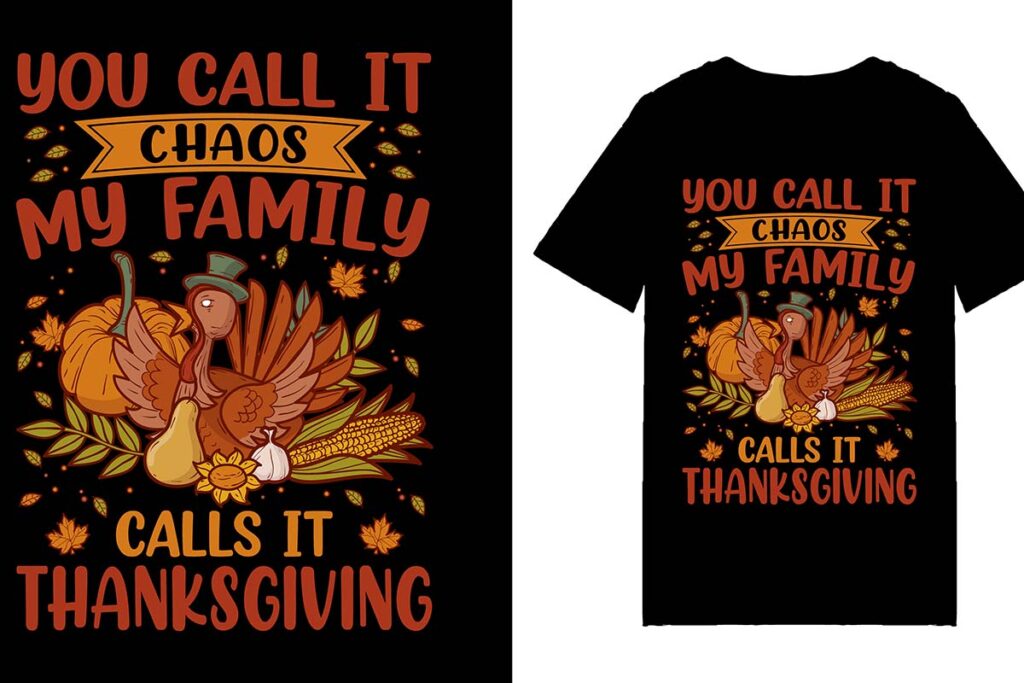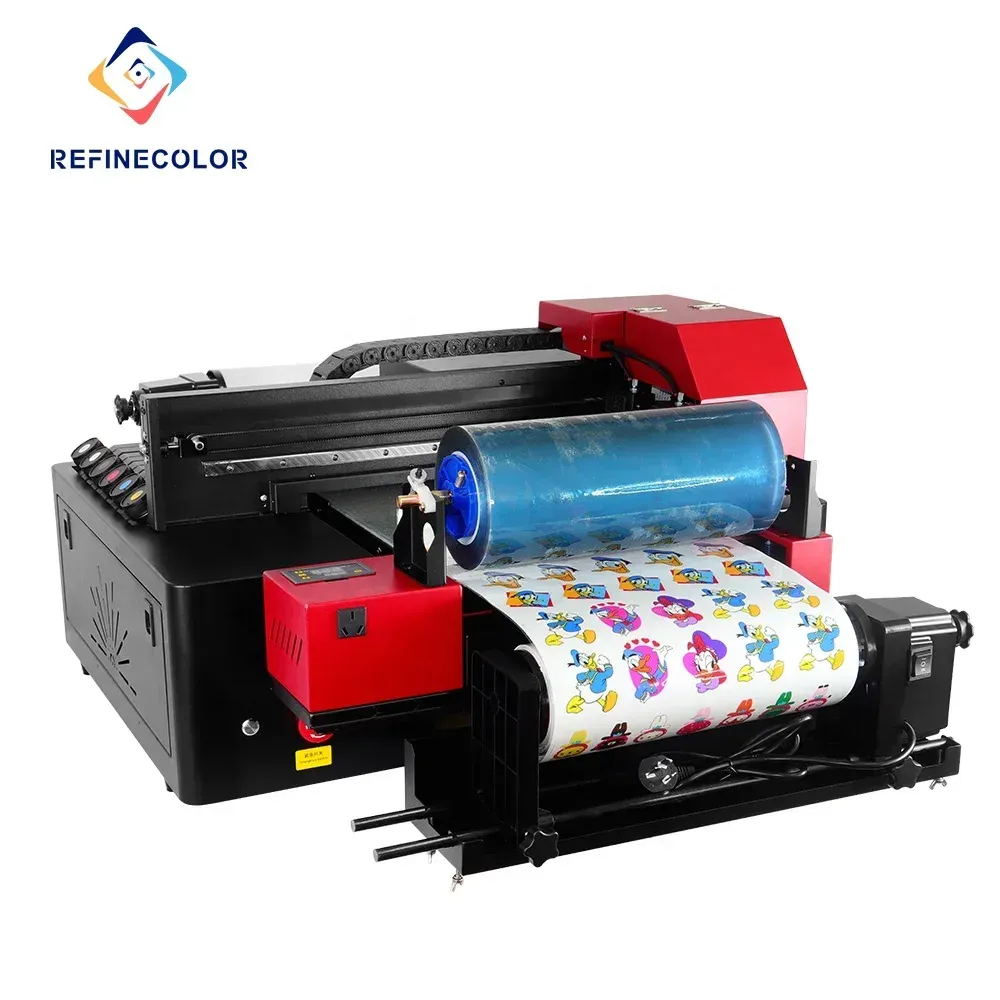
UV DTF, or UV Direct-to-Film printing, is making waves in the fashion and apparel industry by introducing groundbreaking printing technology. This innovative method utilizes ultraviolet light to cure inks on a special film, which is then transferred onto a variety of fabrics. With benefits such as exceptional print quality, durability, and the ability to cater to diverse fabric types, UV DTF is transforming how designers approach fashion printing techniques. As sustainable fashion becomes increasingly important to consumers, UV DTF provides an eco-friendly solution that reduces waste and promotes responsible design. Furthermore, its cost-effective nature makes it an attractive option for fashion designers looking to create high-quality, distinctive pieces without breaking the bank.
The emergence of UV Direct-to-Film technology, often referred to as UV film printing, is reshaping the landscape of garment creation. This advanced method empowers fashion creators to achieve remarkable results with vibrant graphics and intricate patterns on various textiles. As the industry moves toward more responsible practices, this printing solution not only meets the demand for high-quality output but also aligns with sustainability goals. The versatility and efficiency of this approach enable designers to explore new realms of creativity without the constraints of traditional methods, ultimately driving innovation in fashion design. By adopting practices like UV DTF, fashion professionals are well-positioned to meet the contemporary consumer’s expectations for style and environmental integrity.
The Advantages of UV DTF Printing in Fashion Design
UV DTF printing introduces a revolutionary approach to how fashion designs are executed, making it a preferred choice for many designers. One of the primary advantages of this technology is its unparalleled print quality. The process allows for the application of vivid colors and intricate designs with remarkable precision. Fashion items produced using UV DTF not only catch the eye with their stunning visuals, but they also maintain their integrity over time, with prints that resist fading and wear better than those created through traditional methods.
This reliability can dramatically enhance a designer’s reputation, as seen in many recent collections. By prioritizing print durability alongside aesthetic appeal, designers can create garments that meet the demands of a fast-paced industry. As trends evolve at breakneck speeds, having high-quality prints that can endure the test of time is essential for any brand looking to establish its place in the competitive fashion market.
Versatility and Fabric Compatibility in UV DTF
One of the standout features of UV DTF technology is its remarkable versatility in terms of fabric compatibility. Unlike conventional printing techniques that often limit designers to specific materials, UV DTF can be applied to a vast array of fabrics. This includes not just traditional cotton or polyester but also synthetic materials, leather, and even unique textures that can bring depth and character to fashion pieces.
This extensive compatibility allows designers to let their creativity flourish, pushing the boundaries of conventional fashion. The flexibility offered can lead to fresh, innovative designs that stand out in a saturated market. Designers now have the freedom to explore new fabrics and finishes that weren’t previously possible, leading to exciting possibilities for upcoming collections.
Sustainability and the Eco-Friendly Aspects of UV DTF
In an era where sustainability is paramount, UV DTF printing stands out as an eco-friendly alternative to traditional fashion printing methods. One of the significant aspects that make this technology sustainable is its ability to minimize waste. The efficient use of ink and reduced energy consumption during the printing process ensures that less environmental harm is inflicted, catering to the increasing demand from consumers for eco-conscious practices.
As the *Environmental Design Journal* highlighted, many fashion brands are transitioning to UV DTF as part of their strategies to adopt more sustainable practices. By using this technology, designers are taking a step toward reducing their carbon footprint and contributing positively to global efforts in sustainability. This conscious choice not only benefits the planet but also resonates with environmentally-aware consumers, thereby strengthening brand loyalty.
Cost-Effectiveness: UV DTF for Emerging Designers
The cost-effectiveness of UV DTF technology is a game-changer for small and emerging fashion designers who typically struggle with the financial constraints of traditional printing methods. With the growing trend of small batch productions, designers can utilize UV DTF to create unique fashion pieces without the burden of high minimum order quantities. This flexibility allows for greater experimentation and creativity, essential in a dynamic fashion landscape.
As noted by the *Fashion Tech Network*, the financial benefits of UV DTF enable designers to iterate on their ideas more swiftly and with a lower risk of loss. This is particularly advantageous for those testing new designs or launching limited-edition collections. The ability to produce high-quality prints affordably opens doors for innovation and diversity in fashion, giving emerging talents the opportunity to showcase their vision without overwhelming financial risks.
Improving Fashion Quality: The UV DTF Impact
UV DTF technology is fundamentally transforming the quality of prints in the fashion industry. The advanced curing process enhances the vibrancy of colors and ensures that designs are rendered with impressive detail, setting a high standard for fashion printing techniques. The effectiveness of UV DTF means that collections can be produced with a level of detail and quality that was previously unattainable with older methods.
As customers increasingly seek out products that reflect quality craftsmanship, the superior print quality afforded by UV DTF gives fashion brands a competitive edge. High-quality prints not only enhance the aesthetic value of the items but also contribute to the overall perception of the brand as one that values quality and innovation. In a marketplace flooded with options, such differentiation is crucial for long-term success.
Future Trends: The Role of UV DTF in Fashion Design
As the fashion industry evolves, so too does the technology that supports it. UV DTF is poised to play a key role in shaping future trends in fashion, particularly as consumer preferences lean towards personalization and bespoke designs. With its capacity to handle a variety of fabrics and printed styles, UV DTF allows designers to cater to individual tastes, championing a trend towards more personalized fashion solutions.
Moreover, as sustainable practices become more integral to branding and consumer choices, the eco-friendly benefits of UV DTF will likely encourage even broader adoption. Fashion designers who embrace this technology not only align themselves with modern consumer demands but also position their brands at the forefront of innovation. The synergy between creativity, sustainability, and quality through UV DTF is set to define the next era of fashion.
Frequently Asked Questions
What is UV DTF and how does it impact fashion printing techniques?
UV Direct-to-Film (DTF) printing is an innovative technology that utilizes ultraviolet light to cure inks on a film, which are then transferred onto fabrics. This method dramatically enhances print quality by producing vibrant colors and intricate designs with high precision, transforming traditional fashion printing techniques.
How does UV DTF contribute to sustainable fashion?
UV DTF printing contributes to sustainable fashion by reducing waste during the printing process, leading to less ink waste and lower energy consumption. This eco-friendly approach aligns with the growing demand for sustainable practices in the fashion industry, allowing brands to appeal to environmentally conscious consumers.
What are the advantages of UV DTF in terms of print quality?
One of the key advantages of UV DTF technology is its ability to create prints that are resistant to fading and wear. This enhanced print quality ensures that designs maintain their vibrant look over time, making UV DTF an appealing choice for fashion designers looking to produce high-quality garments.
Can UV DTF be used on various fabric types?
Yes, UV DTF technology is incredibly versatile and can be used on a wide range of fabric types. This includes synthetic materials, leather, and even some metallic fabrics, providing fashion designers with the flexibility to explore new textures and finishes in their collections.
Is UV DTF a cost-effective fashion design option?
Absolutely! UV DTF printing is cost-effective, particularly for small batch productions. Emerging designers can produce unique collections without the need for high minimum orders, allowing them to freely test new ideas and focus on quality without financial constraints.
How does UV DTF enhance durability in fashion designs?
UV DTF enhances durability by offering exceptional adherence to fabrics. This leads to prints that withstand fading and wear better than traditional printing methods, resulting in longer-lasting garments that maintain their aesthetic appeal, crucial for fast-paced fashion environments.
| Key Points | Details |
|---|---|
| Enhanced Print Quality and Durability | Produces vibrant colors and intricate designs; prints are resistant to fading and wear. |
| Versatility in Fabric Types | Allows printing on a variety of materials including synthetic fabrics, leather, and more. |
| Eco-Friendly Approach | Reduces waste, less ink and energy consumption; caters to sustainable fashion needs. |
| Cost-Effectiveness | Ideal for small batch productions; lowers risk for emerging designers. |
Summary
UV DTF is transforming the fashion industry with its innovative approach to fabric printing. This groundbreaking technology not only enhances print quality with vibrant colors and intricate designs but also provides designers with the versatility to work with various fabric types. Moreover, its eco-friendly practices contribute significantly to sustainability within fashion, reducing waste and energy consumption. Additionally, UV DTF proves to be cost-effective, especially for small batch productions, allowing emerging designers to express their creativity without the burden of high upfront costs. As UV DTF continues to advance, it is set to redefine fashion design and innovation, aligning with the growing consumer demand for quality and sustainability.