UV DTF, or Direct to Film printing, is revolutionizing the way we approach modern printing techniques with its innovative use of ultraviolet light to create stunning prints. For beginners stepping into this captivating world, understanding the UV DTF printing process is crucial to unlocking the technology’s full potential. This guide will not only introduce you to the essential UV DTF equipment and materials but also provide valuable beginner tips for UV DTF that can significantly enhance your printing outcomes. With an emphasis on quality and speed, UV DTF printing stands out for its ability to produce vibrant and durable designs suitable for diverse substrates. Join us as we explore the features and advantages that make UV DTF a game-changer in the printing industry.
Exploring the realm of UV Direct to Film technologies unveils a plethora of possibilities within contemporary print production. This advanced method utilizes ultraviolet rays for curing specially formulated inks, resulting in exceptional vibrancy and durability. Whether you’re looking to print on textiles, plastics, or other materials, understanding the nuances of UV printing techniques can help streamline your projects. With the right UV DTF equipment and approach, you can achieve impressive results, navigating the printing landscape with ease and confidence. Let’s dive deeper into the intricate processes and tips that characterize the exciting field of UV DTF printing.
What is UV DTF Printing?
UV DTF printing, or Ultra Violet Direct to Film printing, represents a revolution in the printing industry, blending efficiency with creativity. This method utilizes ultraviolet light to cure and bond specialized inks onto a film substrate, allowing for stunning results across various media types, including textiles and hard surfaces. Unlike traditional DTF processes, which may be limited by drying times and potential smudging, UV DTF provides immediate curing, leading to high-quality prints that are not only vibrant but also remarkably durable.
In a world where personalization and custom designs are increasingly popular, UV DTF printing stands out due to its ability to produce intricate designs with strong color fidelity. This technique is particularly advantageous for businesses looking to create high-quality promotional materials or custom merchandise. Additionally, the rapid production speeds allowed by UV curing technology enable businesses to meet tight deadlines and high-volume demands.
Essential Equipment for UV DTF
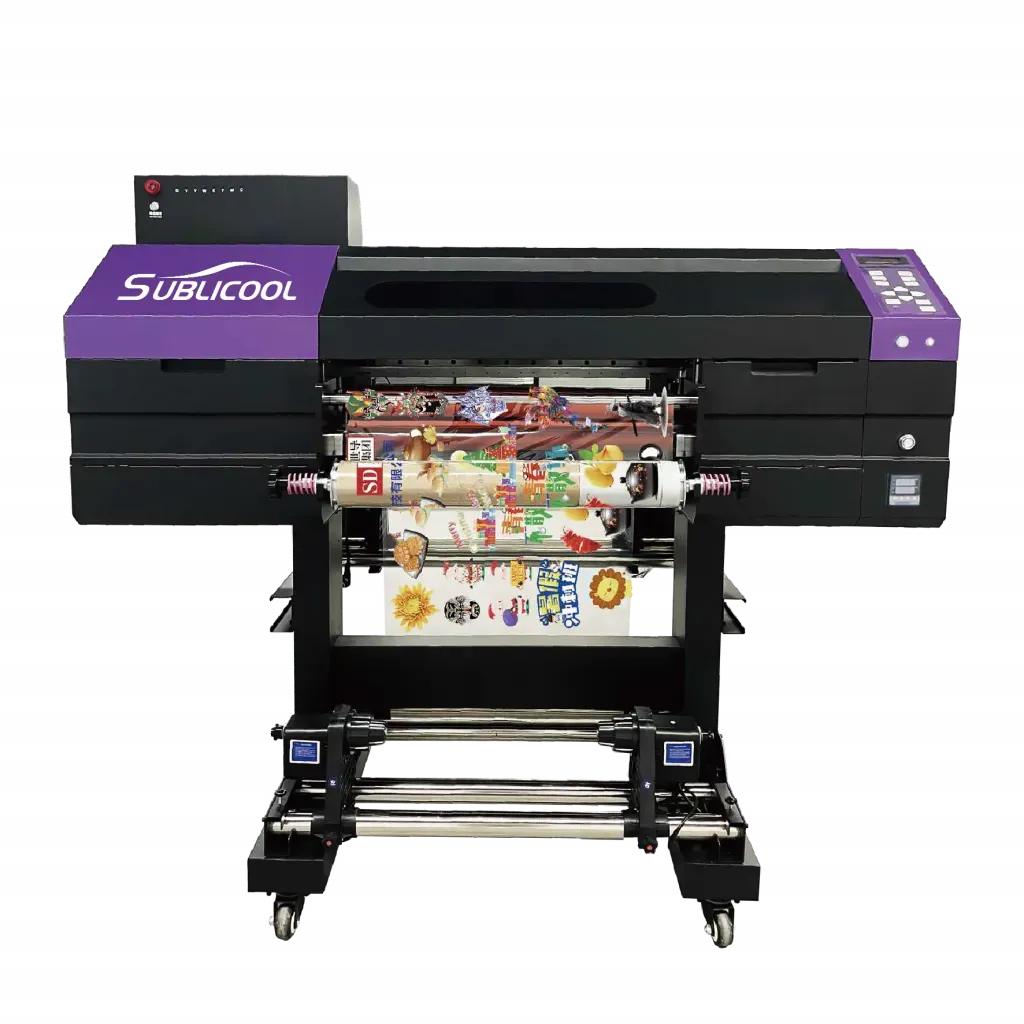
Investing in the right UV DTF equipment is crucial for maximizing output quality and efficiency. The first step is to choose an appropriate printer; flatbed UV printers like the Mimaki JFX or Roland VersaUV are popular choices due to their versatility in printing on different material types. These printers accommodate a range of thicknesses and formats, allowing you to adapt to various project requirements with ease.
Moreover, selecting quality UV inks is equally important. UV curable inks are formulated to provide excellent adhesion and color vibrancy, enhancing the overall aesthetic impact of your prints. Pairing compatible transfer films with your chosen printer will also significantly impact your print quality. Look for films specifically designed for UV applications to ensure a secure bond and optimal clarity, making your finished products not just visually appealing but also durable.
Preparation Techniques for Successful Printing
Before diving into the printing process, it’s essential to prepare your materials correctly. Effective surface preparation significantly increases adhesion and ensures high-quality results. Cleaning the substrate to remove any dust, oils, or contaminants is a fundamental step; this is particularly true for materials such as plastics or metals, where any residue can affect the print quality. For certain substrates, lightly roughening the surface can also aid in ink adhesion.
Additionally, proper design setup plays an integral role in the preparation phase. Simplifying detailed designs can help avoid complications during the printing process. Using high-resolution images, especially when working with complex graphics, ensures that clarity is maintained. Vector files are ideal as they can scale without losing quality, allowing your designs to remain sharp and well-defined regardless of the final print size.
Understanding the UV DTF Printing Process
The UV DTF printing process encompasses several critical steps that determine the outcome of the prints. Initially, printer settings like resolution, speed, and ink density must be correctly configured to align with the substrate being used and the desired final appearance. Fine-tuning these settings can lead to dramatic improvements in print quality and overall aesthetic results. Beginners should take the time to experiment with different parameters to discover the ideal setup for their specific applications.
Once printing is underway, the curing process is vital. Here, UV light is used to cure the printed inks, instantly solidifying them. Proper curing not only prevents issues like smudging but also secures the longevity and durability of the print. However, it’s crucial to follow manufacturer guidelines concerning curing durations, as inadequate or excessive curing can severely impact the final product.
Post-Printing Care and Maintenance
After completing the UV DTF printing process, post-printing care is an essential part of ensuring the longevity and quality of your prints. This can involve several steps, including trimming away excess transfer film or weeding out unwanted printed sections. Applying a protective coating or lamination may also be advisable, especially if the prints will be exposed to wear or environmental elements. Such measures not only enhance durability but can also provide a polished, professional appearance.
Troubleshooting common issues is another aspect of post-printing care that beginners should familiarize themselves with. Problems like poor adhesion, color mismatches, or print head clogs can arise. Understanding these challenges allows you to take proactive measures, rather than reacting in panic when issues crop up during critical jobs, thus ensuring smoother operation and higher output quality.
Current Trends in UV DTF Printing
The UV DTF printing industry is rapidly evolving, with exciting developments geared towards sustainability and innovation. A noticeable trend is the increase in eco-friendly inks and materials being introduced to meet the demands for more environmentally responsible printing solutions. Businesses that embrace these new options not only appeal to a growing market of environmentally conscious consumers but also contribute positively to the planet.
In addition to sustainability, advancements in UV DTF technology continue to improve print quality and efficiency. Enhanced printer models and improved ink formulations result in greater color accuracy and faster production times. As these trends progress, staying informed about the latest equipment and techniques can give print service providers a competitive edge in the evolving marketplace.
Frequently Asked Questions
What is UV DTF printing and how does it work?
UV DTF printing, or Ultra Violet Direct to Film printing, is an advanced printing technique that utilizes UV light to cure inks directly onto a film substrate. This process results in vibrant and durable prints suitable for a variety of surfaces, including textiles and plastics. The UV curing process allows for faster production speeds and enhanced print quality, minimizing issues like smudging.
What equipment do I need for UV DTF printing?
To get started with UV DTF printing, you’ll need a reliable UV flatbed printer capable of handling various substrates, UV curable inks for durability and vibrancy, and compatible transfer films specifically designed for UV applications. Popular printer models include Mimaki JFX, Roland VersaUV, and Epson SureColor.
How do I prepare for UV DTF printing?
Preparation for UV DTF printing involves cleaning the substrate to eliminate dirt and oils, which is critical for ensuring print adhesion. You should also simplify intricate designs and use high-resolution images to maintain quality. Additionally, making sure your surface is slightly rough can enhance ink adhesion.
What settings should I use for successful UV DTF printing?
For effective UV DTF printing, adjust your printer’s settings such as resolution, speed, and ink density based on your chosen substrate. It’s important to experiment with these settings to achieve the best balance for your specific projects, ensuring high-quality prints.
What are common issues faced during UV DTF printing and how can I troubleshoot them?
Common issues in UV DTF printing include problems with prints not adhering properly, color mismatches, and clogged print heads. Familiarizing yourself with these issues enables proactive troubleshooting, allowing you to address them without panic during the printing process.
What resources are available for learning about UV DTF printing?
As a beginner in UV DTF printing, there are many valuable resources available. Online communities like the Reddit Printing Community offer support, while blogs from Printful and Inksoft provide informative articles. YouTube tutorials are also excellent for visual demonstrations and practical insights into UV DTF printing techniques.
| Key Aspect | Description |
|---|---|
| What is UV DTF? | A modern printing method using UV light to cure inks on film, producing high-quality prints. |
| Advantages | Faster production speed, enhanced print quality, and durability. |
| Equipment Needed | Reliable UV flatbed printer, UV curable inks, and compatible transfer films. |
| Preparation Techniques | Clean the substrate and use high-resolution images for design. |
| Printing Process | Adjust printer settings; cure prints under UV light. |
| Post-Printing Care | Cut excess film, weed out sections, apply protective coatings. |
| Learning Resources | Engage with online communities, read blogs, and watch tutorials. |
| Recent Trends | Growth in eco-friendly inks and sustainable practices is emerging. |
Summary
UV DTF, or Direct to Film printing, represents a significant evolution in the printing landscape, providing exciting opportunities for vibrant and durable output across numerous surfaces. This guide has illuminated the essential facets of UV DTF, from understanding its functioning and benefits to mastering the intricate processes involved. For beginners looking to establish their footing in this innovative field, familiarity with equipment, preparation techniques, and ongoing learning through community resources is crucial. By harnessing these insights, you will be well-prepared to navigate the dynamic world of UV DTF printing and unlock endless creative potential.