In the rapidly advancing world of digital printing, **UV DTF** (Ultraviolet Direct to Film) stands out as a groundbreaking technology that is reshaping the landscape of printing solutions. This innovative approach excels in producing high-quality prints with vibrant colors across various substrates, from textiles to rigid materials. As businesses increasingly seek sustainable printing methods, UV DTF offers a remarkable alternative, minimizing ink wastage and reducing environmental impact. Moreover, its quick curing process boosts printing efficiency, allowing for faster project turnaround times and satisfying the demands of a competitive market. In this blog, we will explore the transformative capabilities of UV DTF and its implications for the future of the printing industry.
Ultraviolet Direct to Film printing, often referred to as UV curing technology, is gaining traction in the realm of modern printing innovations. As the industry looks for advanced solutions that ensure superior output quality, this method presents an exciting option for diverse printing applications. The process not only enhances print resolution but also aligns with the growing trend towards eco-friendly practices among businesses. With the incorporation of digital advancements and expedited production timelines, this printing technique proves to be both efficient and environmentally responsible. As we delve deeper into the specifics of this printing marvel, we will uncover its extensive benefits and potential future developments in the digital printing sector.
Understanding UV DTF Technology
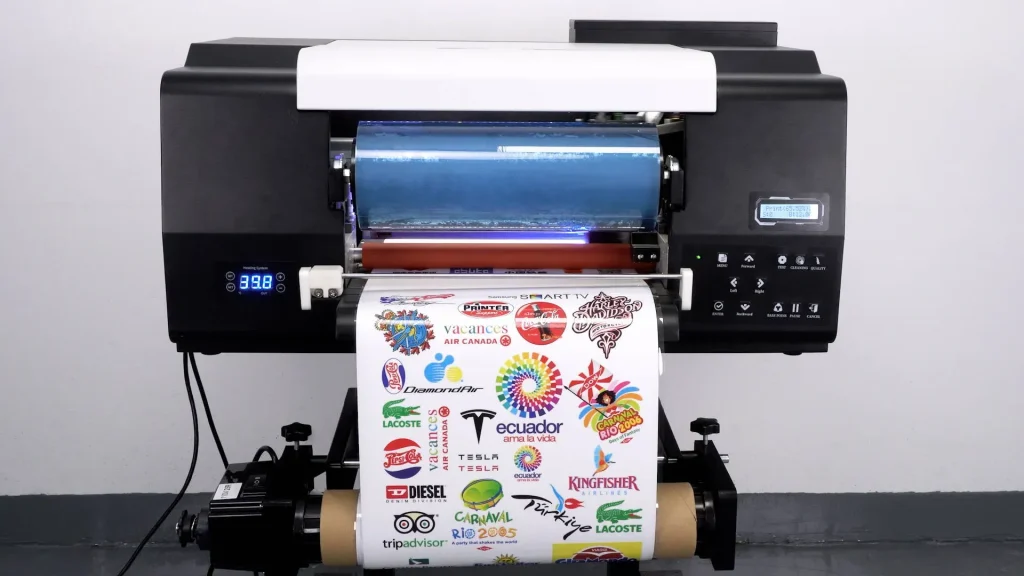
UV DTF (Ultraviolet Direct to Film) technology is an innovative printing method that has taken the industry by storm. By utilizing a process where ultraviolet light cures inks on a film before they are transferred to various substrates, it ensures that vibrant colors and sharp details are maintained. This method not only enhances the overall quality of prints but also allows for printing on an array of materials—from textiles to rigid surfaces—making it a versatile option for printers. In contrast to traditional printing methods, UV DTF excels in its efficient ink curing process, resulting in a superior finish that meets the demands of even the most intricate designs.
Additionally, the UV DTF printing process caters to a range of market needs, from high-end custom merchandise to promotional materials. It is particularly noteworthy for its ability to produce prints that resist smudging and fading, crucial for items that require durability. The ability to print on various substrates broadens the potential applications of UV DTF, establishing it as a reliable choice for marketing professionals looking to create standout products.
The Quality Landscape of UV DTF
When it comes to print quality, UV DTF technology stands out due to its advanced curing process which preserves the vibrancy and accuracy of colors. The immediate curing under UV light facilitates a quick transition from liquid inks to solid prints, ensuring that even the most delicate designs retain their intended details. This feature is particularly beneficial when working with high-resolution images and images requiring precise color matching, significantly improving overall printing efficiency compared to conventional methods.
Moreover, the outstanding ability to print on challenging surfaces such as metal, glass, and plastics further underscores the versatility of UV DTF. As the demand for more complex and multi-material prints rises, UV DTF technology positions itself as a frontrunner, delivering high-quality finishes across diverse projects. Its adaptability ensures that printers can expand their service offerings and meet varying client needs while maintaining exceptional quality standards.
Speed and Efficiency in Printing
In the competitive landscape of digital printing, speed and efficiency are paramount for businesses looking to maximize productivity and minimize costs. UV DTF technologies excel in this area due to their rapid curing times that allow for faster project turnovers. This speed not only enables printers to handle a higher volume of orders but also accelerates the delivery process, giving companies a significant edge over their competitors who may still rely on slower, traditional methods.
Furthermore, reduced ink wastage accompanies the efficiency brought by UV DTF—a critical consideration in today’s operations. By minimizing excess ink and enhancing color accuracy, print shops can see lower material costs while still ensuring high-quality outputs. Quicker turnaround combined with cost-effective printing means that businesses can take on more projects, subsequently increasing their market reach and expanding their clientele.
Environmental Sustainability and UV DTF
As global awareness regarding sustainability increases, businesses are shifting towards eco-friendly practices, and UV DTF aligns magnificently with this trend. Utilizing UV-cured inks that emit significantly fewer volatile organic compounds (VOCs) compared to traditional solvent-based inks, UV DTF offers a sustainable alternative without compromising on print quality. This eco-conscious approach helps companies not only meet regulatory standards but also appeal to environmentally aware customers.
Additionally, the integration of sustainable practices within the UV DTF process extends to the materials used and waste produced during printing. The durability of UV-cured prints means fewer replacements and a reduced frequency of new material purchases, which can benefit both the environment and a company’s bottom line. By adopting UV DTF, businesses not only improve their ecological footprint but also enhance their brand reputation as responsible and forward-thinking.
Current Market Trends and Adoption Rates
The adoption of UV DTF technology within the printing industry is experiencing significant growth, reflecting a broader trend toward more versatile and efficient printing solutions. As businesses recognize the potential of UV DTF to cater to diverse material types and print jobs, more companies are incorporating this technology into their operations. Industry reports project that this trend will continue to rise, further solidifying UV DTF’s place in modern printing solutions.
With competition intensifying in the market, companies are compelled to adopt innovative printing technologies like UV DTF to remain relevant and competitive. The ability to produce high-quality prints across various applications, coupled with the efficiency benefits, makes UV DTF an attractive choice for printers looking to appeal to a wider customer base. As more entities embrace this technology, it is reshaping the landscape of digital printing and paving the way for exciting advancements and capabilities.
Future Innovations in UV DTF Technology
The future of UV DTF technology looks bright as continual innovations expand its capabilities and applications. Manufacturers are actively investing in research and development to enhance the feature sets of UV DTF machines, leading to improved print quality and the potential for even more complex design applications. These advancements may include increased automation, which allows for streamlined workflows and the ability to manage projects of varying scales effectively.
Moreover, industries such as packaging and custom apparel are beginning to integrate UV DTF applications, showcasing the technology’s versatility. As it continues to evolve, the potential integration of artificial intelligence in UV DTF operations could further refine processes, reduce errors, and enhance overall printing efficiency—a compelling prospect for businesses aiming to push the boundaries of what’s possible in digital printing.
Frequently Asked Questions
What are the key benefits of using UV DTF in digital printing?
UV DTF offers several benefits in digital printing, including enhanced print quality due to its rapid curing process, which preserves vibrant colors and fine details. Additionally, this technology significantly reduces ink wastage, leading to cost savings and improved printing efficiency. Businesses also appreciate the sustainable printing methods that UV DTF employs, making it an eco-friendly choice for modern printing needs.
How does UV DTF compare to traditional printing methods?
Compared to traditional printing methods, UV DTF technology stands out for its quick curing under ultraviolet light, allowing for faster turnaround times and higher quality results. Inks used in UV DTF emit fewer volatile organic compounds (VOCs), contributing to a more environmentally friendly printing solution. This efficiency and sustainability mark a significant shift in the printing landscape.
Can UV DTF be used on various substrates?
Yes, one of the primary advantages of UV DTF technology is its versatility. It is designed to print on a wide range of substrates, from textiles to rigid materials like plastics and metals. This adaptability allows printers to tackle various projects and expands the creative possibilities for design and branding.
What are the environmental impacts of UV DTF printing?
UV DTF printing is considered a more sustainable option in the industry as it utilizes UV-cured inks that release lower levels of volatile organic compounds (VOCs) compared to solvent-based inks. This makes UV DTF align with eco-friendly practices and helps businesses meet increasing regulatory standards for sustainability in their printing operations.
What innovations are shaping the future of UV DTF technology?
The future of UV DTF technology is influenced by continuous innovations such as improved machines and features that enhance print quality and efficiency. Additionally, the integration of automation and artificial intelligence is expected to further optimize workflows and expand the application capabilities of UV DTF, revolutionizing how printing is done across various industries.
Why is UV DTF becoming a preferred choice for businesses?
Businesses are increasingly choosing UV DTF for its remarkable print quality, speed, and cost efficiency. The ability to deliver high-quality prints quickly enables businesses to fulfill client demands effectively, while its sustainable printing methods attract environmentally conscious customers. These factors contribute to UV DTF’s rising popularity in the competitive digital printing market.
| Key Points | Details |
|---|---|
| Introduction | UV DTF revolutionizes digital printing with its unique capabilities for diverse substrates. |
| What is UV DTF? | A printing method where inks are cured using UV light for high-quality prints without smudging. |
| Enhanced Print Quality | Produces vibrant and detailed prints on various surfaces, including difficult materials. |
| Speed and Efficiency | Faster turnaround times and reduced ink wastage compared to traditional methods. |
| Environmental Benefits | Uses eco-friendly UV-cured inks with fewer VOC emissions, aligning with sustainability goals. |
| Market Trends and Adoption | Growing demand for UV DTF as businesses adopt versatile printing capabilities. |
| Innovations and Future Direction | Continuous improvements and integration with AI for enhanced workflows and print quality. |
Summary
UV DTF has emerged as a revolutionary technology in the digital printing sector, bringing forth remarkable improvements in print quality, speed, and environmental sustainability. By curing inks with ultraviolet light, UV DTF minimizes drying time and smudging, enabling high-quality prints across a variety of surfaces, including both textiles and rigid materials. The significant adoption of UV DTF technology is fueled by its efficiency and eco-friendly characteristics, appealing to modern businesses striving to meet consumer demand and regulatory standards. As the industry moves forward, the integration of advanced technologies like automation and AI will further enhance the capabilities of UV DTF, promising exciting developments for the future of printing.