In the realm of customized printing, UV DTF printing (Direct to Film printing) stands out as a transformative technology that has significantly influenced how products are crafted and marketed. This innovative printing method, which employs ultraviolet light to ensure durability and vibrancy, is ideal for producing everything from personalized apparel to unique promotional items. By integrating state-of-the-art printing technology with a seamless transfer process, UV DTF printing offers unparalleled quality and flexibility across various substrates. Businesses seeking to navigate the competitive landscape can harness the potential of UV DTF printing, which bridges the gap between creative inspiration and tangible products. In this article, we’ll explore the UV DTF printing process, detailing its advantages, challenges, and the exciting future of this advanced technique.
Often regarded as a cutting-edge technique in the printing industry, UV DTF offers an alternative to traditional methods by merging innovative UV printing processes with direct-to-film technology. This approach not only enhances color fidelity but also improves the overall resilience of prints on a multitude of materials. With direct-to-film printing gaining traction for its efficiency, customers now expect high-quality, customized products that meet their unique demands. The transfer process inherent in this printing style ensures that intricate designs maintain their clarity and vibrancy, making it a preferred choice for businesses aiming for high-impact visuals. As we delve deeper into the nuances of UV DTF, we’ll uncover the transformative benefits and strategic advantages afforded by this modern printing solution.
An Overview of UV DTF Printing Technology
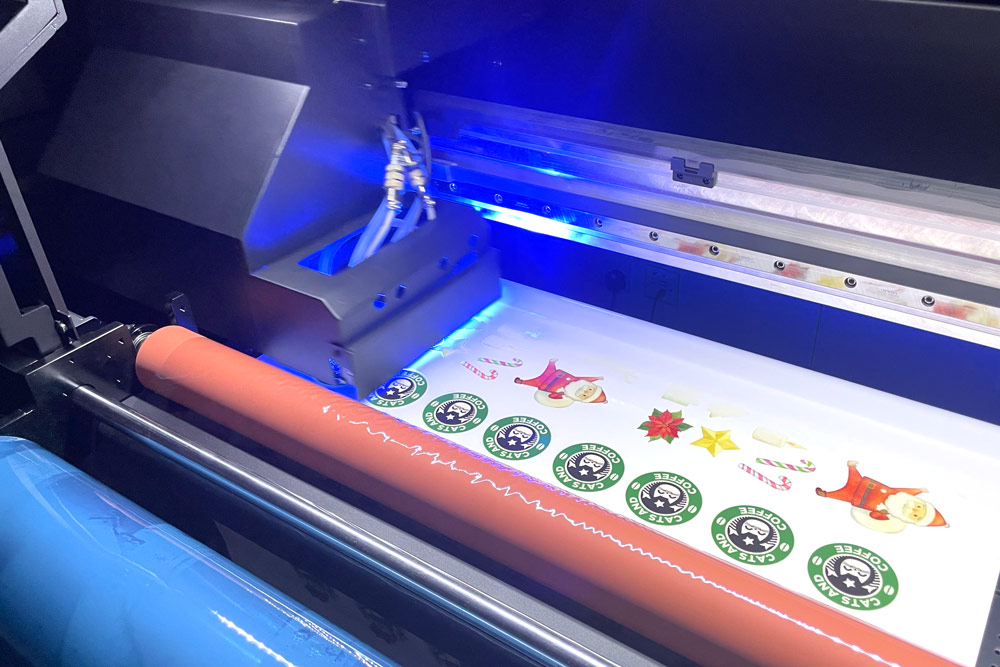
UV DTF printing technology combines two innovative methodologies: UV printing and Direct to Film (DTF) application. This unique pairing allows businesses to produce vibrant and durable designs across a wide array of substrates. While traditional printing methods rely on thermal processes, UV DTF printing utilizes ultraviolet light to cure the inks almost instantly, leading to striking final products. As the demand for customized products grows, understanding the capabilities of UV DTF printing enables companies to harness its full potential in creating eye-catching designs.
In recent years, the market for UV DTF printing has expanded rapidly, signaling a shift towards advanced printing technologies. With its ability to print on materials like textiles, plastics, metals, and even glass, UV DTF stands out for its versatility. This technology is particularly beneficial for businesses aiming to customize items for promotional use or personal gifts, combining creativity with practicality, meeting diverse client needs efficiently.
Steps in the UV DTF Printing Process
The UV DTF printing process consists of several integral steps, starting with the initial idea formation. Entrepreneurs must conceptualize what they wish to create before sending it off to design. This involves brainstorming various designs tailored to a specific audience that can leverage the unique attributes of UV DTF printing technology, allowing for maximal impact and engagement with potential consumers.
Following idea formation, design preparation is crucial to success. Designers must use graphic software to create digital artwork that is well-optimized for UV DTF printing. Correct formatting ensures the artwork maintains its details and vibrancy throughout the printing and transfer process, leading to high-quality results that reflect the original vision in the final product.
Material Selection for Optimal Results
Choosing the right substrate for UV DTF printing is fundamental in achieving quality output. Various materials can be printed on, including fabric, plastic, metal, and wood. Each substrate type may require specific inks or surface treatments to enhance adhesion and durability. For instance, printing on textiles might necessitate different ink compositions compared to hard surfaces. Understanding the properties of your chosen material is key—those that respond well to UV inks will yield the best results.
Additionally, the selection of materials allows for creative exploration, enabling businesses to push the boundaries of typical product offerings. By experimenting with different substrates, companies can produce unique designs, such as custom signage or promotional gifts, that cater to diverse market demands. Thus, strategic material selection becomes part of the branding process, as businesses showcase their creativity and quality through innovative products.
Advantages of UV DTF Printing
One of the most notable advantages of UV DTF printing is its versatility, allowing for a diverse range of products to be customized effectively. From apparel to hard goods, this printing method adapts to various applications, enabling businesses to expand their offerings and tap into niche markets. The ability to print on both flexible and rigid substrates means that entrepreneurs can explore unique product ideas that stand out in a crowded marketplace.
Furthermore, UV DTF printed items exhibit remarkable durability. The UV curing process ensures ink adheres strongly to surfaces, resulting in prints that resist fading, scratching, and wear over time. This durability increases customer satisfaction as products maintain their aesthetic appeal long after purchase, making UV DTF printing an appealing choice for businesses aiming for long-lasting relationships with consumers.
Challenges Faced in UV DTF Printing
Despite its numerous advantages, UV DTF printing is not without its challenges. One critical aspect is ensuring the printer is calibrated correctly; poor calibration can lead to inconsistent prints. Many factors play a role in the production quality, such as ink delivery and adherence to the chosen substrate. Understanding these potential issues and how to mitigate them is crucial for anyone serious about leveraging UV DTF printing technology.
Moreover, initial setup costs for UV DTF printing can be relatively high compared to traditional printing methods. This upfront investment may deter small business owners or those looking to enter the custom printing market. However, overcoming these initial hurdles can position a company for fruitful growth in an escalating demand environment for personalized products.
Future Trends in UV DTF Printing
As the landscape of printing technology continues to evolve, UV DTF printing is poised for exciting advancements. Upcoming innovations may include enhanced ink formulations, leading to prints that are not only more vibrant but also more flexible and environmentally friendly. Such developments can attract businesses committed to sustainability while also providing customers with superior-quality products.
Moreover, the integration of digital technologies could streamline the UV DTF printing process even further. The advent of the Internet of Things (IoT) allows for better monitoring of print jobs, enabling businesses to enhance efficiency and quality assurance while reducing wastage. As the market trends shift toward customization and automation, those who embrace these technologies will likely thrive in a rapidly changing industry.
Frequently Asked Questions
What is UV DTF printing and how does it work?
UV DTF printing, or Ultra Violet Direct to Film printing, is a specialized printing technology that combines UV printing with a transfer process. It uses ultraviolet light to cure specialized inks onto a film, creating vibrant and durable prints that can be transferred onto various substrates such as textiles, plastics, and wood.
What are the benefits of using UV DTF printing for customized printing?
UV DTF printing offers numerous advantages for customized printing, including versatility across different materials, exceptional color vibrancy, and high durability of prints. This technology ensures designs maintain their quality over time, resisting fading and scratching, which is ideal for various applications.
Can UV DTF printing be used for printing on dark substrates?
Yes, UV DTF printing is particularly effective for printing on dark substrates thanks to the use of white ink. This allows the printer to achieve high-quality results without sacrificing detail or color vibrancy, making it suitable for a wide range of customized products.
What types of materials can be used with UV DTF printing?
UV DTF printing is versatile and can be applied to various materials, including textiles, plastics, metals, and wood. The choice of substrate is crucial as each may require specific inks and treatments to ensure optimal adhesion and durability.
What challenges might one face with UV DTF printing?
Some challenges in UV DTF printing include ensuring proper printer calibration, managing ink delivery systems, and selecting compatible substrates. Additionally, the initial setup costs can be higher compared to traditional printing methods, posing challenges for smaller businesses.
What is the future of UV DTF printing technology?
The future of UV DTF printing looks promising, with trends indicating advancements in ink formulations, improved integration of digital technologies for monitoring print quality, and a growing emphasis on sustainable practices within the industry. These developments are likely to enhance efficiency and expand the capabilities of UV DTF printing.
| Key Point | Description |
|---|---|
| Introduction | UV DTF printing revolutionizes product creation in customized printing across various industries, aiding entrepreneurs and established businesses. |
| Understanding UV DTF Printing | Combines UV printing technology with a transfer method to produce vibrant, durable prints across various substrates. |
| The Process | Key steps include idea formation, design preparation, material selection, printing, transfer process, and finishing touches. |
| Advantages | Benefits include versatility, durability, and enhanced color vibrancy, ideal for various applications. |
| Challenges | Challenges include printer calibration, ink delivery consistency, and initial setup costs. |
| Market Trends | Rising demand for customization fuels UV DTF printing; future trends include enhanced inks, digital technology integration, and sustainability efforts. |
Summary
UV DTF printing represents a groundbreaking method for transforming ideas into finished products, catering to a growing market that craves customization and creativity. By understanding the intricate process involved in UV DTF printing, businesses can leverage its advantages—such as versatility and durability—to create high-quality, visually striking items that meet customer demands. As UV DTF printing technology continues to evolve, with trends leaning towards sustainability and enhanced capabilities, businesses that adapt and innovate will remain competitive in this vibrant sector.