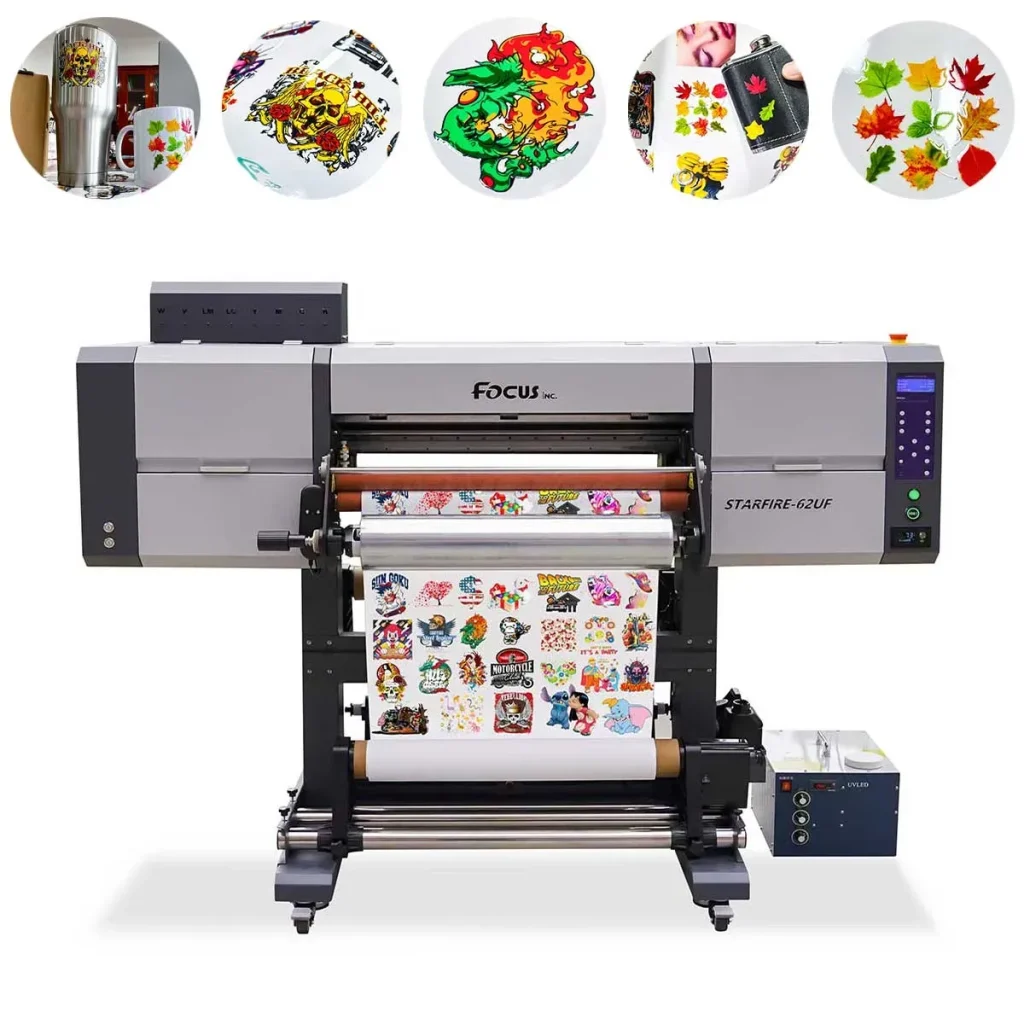
UV DTF Gangheet Printing is at the forefront of the revolution in modern printing technology, combining the strengths of UV printing and Direct to Film printing to create vibrant and durable images. This innovative method excels in gangheet printing, which allows for multiple designs to be printed simultaneously on a single film, thus streamlining production time for businesses. Utilizing the UV curing process, this approach ensures that printed materials maintain their brilliant colors and sharp details, making it ideal for various industries, from apparel to promotional products. Moreover, by incorporating sustainable printing techniques, UV DTF Gangheet Printing caters to the eco-conscious market while highlighting efficiency and cost-effectiveness. Join us as we explore the intricacies, benefits, challenges, and future trends surrounding this exciting technology that is shaping the printing landscape.
Also known as UV Direct to Film printing, this advanced printing technique employs ultraviolet light to cure inks immediately after they’re applied to a transfer film. The appeal of gangheet or multi-design printing lies in its ability to produce numerous variations in one go, drastically reducing the turnaround time for large-scale orders. This method not only enhances productivity but also allows for remarkable versatility across different materials and substrates, making it an essential innovation in various sectors. With an emphasis on sustainable printing practices and minimized energy consumption, this technology stands as a testament to the ongoing evolution of the printing industry, paving the way for a more efficient and environmentally friendly future.
Understanding the Mechanics of UV DTF Printing
UV DTF printing operates on a sophisticated mechanism that combines UV printing technology with the Direct to Film (DTF) process. This method employs ultraviolet light to cure inks as they are being printed, allowing for vibrant colors and sharp imaging. The process begins with the preparation of a special transfer film, which is coated appropriately to accept the inks. This film is pivotal, as it serves as the canvas where various designs are printed. This innovation not only enhances color quality but also optimizes the workflow for printing multiple designs simultaneously, a hallmark of gangheet printing.
The mechanical aspects of UV DTF printing demand precise coordination between digital print technology and the curing process. After the designs are applied to the transfer film, the subsequent exposure to UV light immediately solidifies the ink, rendering it resilient against common issues such as fading and scratching. This rapid curing mechanism is a significant departure from traditional printing methods, which often require extended drying times. The integration of UV curing directly into the printing process makes UV DTF an appealing choice for industries where speed and quality must coexist to meet market demands.
Frequently Asked Questions
What advantages does UV DTF gangheet printing offer over traditional methods?
UV DTF gangheet printing provides several advantages over traditional methods, including faster production speeds due to the rapid UV curing process. This efficiency is particularly beneficial for large orders and time-sensitive projects. Additionally, the gangheet printing technique allows for multiple designs to be printed simultaneously, reducing material costs and labor. The ability to print on diverse substrates, combined with eco-friendly inks, further enhances its appeal as a sustainable printing solution.
How does the UV curing process enhance the quality of prints in UV DTF gangheet printing?
In UV DTF gangheet printing, the UV curing process solidifies inks instantly after printing, leading to vibrant colors and sharp details. This immediate curing not only enhances print quality but also ensures durability, making the designs resistant to fading and scratching. As a result, products printed using this method withstand wear better, especially on items like apparel and promotional goods.
Is UV DTF gangheet printing suitable for customized designs?
Yes, UV DTF gangheet printing is particularly well-suited for customized designs. The technology allows for the simultaneous printing of various designs on a single film, making it efficient for businesses that require personalized products. This capability is increasingly important in markets like fashion and promotional items, where customization is in high demand.
What types of substrates can be used with UV DTF gangheet printing?
UV DTF gangheet printing is versatile and can be used on a wide range of substrates, including textiles, plastics, wood, glass, and metal. This flexibility allows businesses to expand their product offerings without needing to change their printing processes, making it an attractive option for various industries.
What challenges should businesses consider before adopting UV DTF gangheet printing?
Before adopting UV DTF gangheet printing, businesses should be aware of the upfront investment required for high-quality UV printers and compatible transfer films. Additionally, staff will need specific training to operate the printers effectively and maintain them. Regular maintenance and quality control are also essential to ensure optimal printing results.
How is UV DTF gangheet printing contributing to sustainability in printing?
UV DTF gangheet printing contributes to sustainability by utilizing eco-friendly inks that reduce harmful emissions and lower energy consumption compared to traditional printing methods. This technology supports sustainability initiatives, making it a preferable choice for eco-conscious consumers and businesses looking to minimize their environmental impact.
| Key Point | Details |
|---|---|
| What is UV DTF Gangheet Printing? | A printing technique combining high-quality UV printing and gangheet technology for efficient multiple design printing. |
| The Printing Process | 1. Film Preparation: Special film coated for ink application. 2. Design Application: Multiple designs printed simultaneously. 3. Curing: UV light cures ink for durability. 4. Transfer: Cured prints are transferred onto substrates using heat and pressure. |
| Benefits | – Speed and Efficiency: Quick turnaround for large orders. – Versatility: Works on various materials. – Environmentally Friendly: Lower energy use and eco-friendly inks. – Cost-Effective: Saves on materials and labor. |
| Challenges | – Upfront Investment: Significant initial costs. – Technical Knowledge: Requires specialized training for staff. – Maintenance: Regular upkeep is necessary for quality control. |
| Market Trends | – Technological Advancements: Improved printers and ink formulations. – Customization Demand: Increased need for personalized products. – Industry Expansion: Use beyond traditional sectors into fashion and décor. |
Summary
UV DTF Gangheet Printing is showcasing a transformative approach to the printing industry, effectively merging advanced UV printing technology with direct to film methods. This process not only fosters creative freedom with its ability to print multiple designs at once but also significantly enhances production efficiency. The benefits, from rapid curing times to adaptability across various substrates, make UV DTF gangheet printing a formidable choice for businesses. Despite facing challenges such as upfront investment and technical training requirements, the long-term advantages in productivity and print quality are undeniable. As market trends shift towards customization and sustainability, UV DTF gangheet printing stands poised to redefine not just the printing capabilities of businesses, but also the very nature of how consumers interact with printed products.