When it comes to custom apparel, the choice between DTF vs. Screen Printing hinges on a variety of factors, including design complexity and production scale. Both printing methods present distinct advantages and disadvantages that influence the final product. DTF (Direct to Film) printing is quickly becoming a favorite for its ability to reproduce vibrant colors and intricate details, making it particularly suited for complex designs. In contrast, screen printing remains a tried-and-true technique lauded for its durability and cost-effectiveness, particularly for large orders where setup can be amortized over multiple items. This article aims to provide a comprehensive comparison of DTF and screen printing, helping businesses and consumers make informed decisions based on their specific needs and preferences.
In the realm of textile decoration, several techniques vie for attention, notably the comparison of DTF and traditional screen printing methods. DTF printing, or Direct to Film printing, is distinguished by its ability to provide detailed and colorful outputs, which is essential for designs that require finesse. Meanwhile, the classic approach of screen printing persists as a robust option due to its reliability and proven results in large-scale production. As we delve deeper into the advantages of DTF printing and the notable disadvantages of screen printing, it’s crucial to understand the nuances of each technique to identify the best printing methods for apparel that align with your project goals.
Understanding DTF Printing
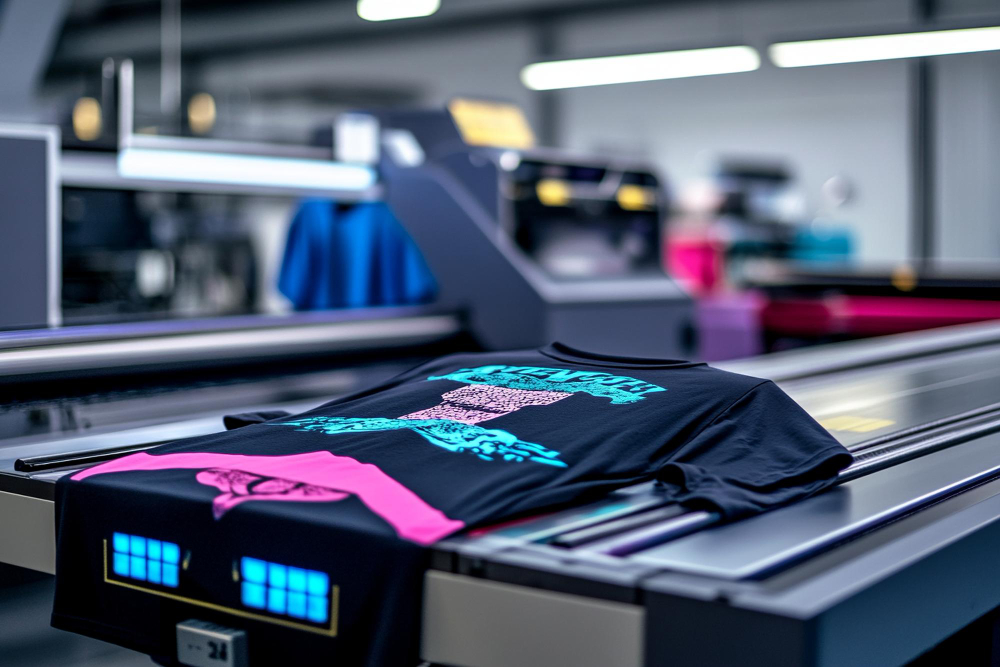
DTF printing, or Direct to Film printing, emerges as one of the most innovative techniques in the custom apparel industry. This method utilizes a specialized film to transfer high-resolution images directly onto garments, a process that involves applying a heat transfer adhesive to the printed film before pressing it onto the fabric. As a result, DTF printing is celebrated for its ability to reproduce intricate designs with a high degree of color accuracy and detail, making it an ideal choice for complex graphics and images that require vibrant hues and fine details.
Moreover, the versatility of DTF printing is noteworthy; it can be applied to a diverse range of fabrics, including cotton, polyester, and their blends. This characteristic enables designers to expand their creative horizons without being limited by the type of material they use. For businesses focused on producing unique, custom designs quickly, DTF provides an appealing option, allowing for rapid iterations and design changes without the cumbersome setup associated with traditional methods.
Exploring Screen Printing Techniques
Screen printing is a time-honored method that has stood the test of time in the custom apparel world. This technique involves creating stencils, or screens, that IPA with specific colors of ink to transfer designs onto fabrics. It is particularly favored for larger production runs, where the cost per unit significantly drops as the number of items increases. The setup process can be labor-intensive, requiring meticulous alignment and preparation; however, once established, screen printing can produce vibrant, durable designs that are well-suited for heavy use.
Despite its traditional elements, screen printing continues to evolve with the introduction of sophisticated inks and printing methods. Modern screen printing can adapt to different materials and even incorporate sustainable practices, making it a viable option for eco-conscious brands. Techniques such as discharge and water-based inks are becoming more prevalent, enabling printers to achieve softer hand-feels while ensuring the vibrancy of colors. This adaptability broadens the appeal of screen printing beyond merely being a mass-production strategy.
DTF vs. Screen Printing: Key Differences
In the battle of DTF vs. screen printing, each method offers distinct advantages that cater to varied project requirements. DTF printing excels in delivering intricate designs with a vibrant color palette, accommodating small to medium runs with cost-effective efficiency. This versatility, combined with the ability to use direct heat transfer, allows for rapid production and customization, appealing particularly to businesses that cater to individual customer preferences or seasonal trends.
Conversely, screen printing takes the lead in durability and cost-effectiveness for larger orders. The prints typically withstand repeated washing and wear better than DTF transfers, as the inks penetrate the fabric fibers more deeply due to the curing process. However, creating multiple screens for complex designs can increase initial costs, making it less appealing for small runs. Businesses must analyze their target market and production scale to determine which method aligns best with their operational goals.
Advantages of DTF Printing
The advantages of DTF printing lie primarily in its ability to offer high-quality results with less setup time compared to traditional methods. For businesses focusing on small batch orders, DTF printing provides an incredible opportunity to produce customized items without the significant cost associated with multiple screens in screen printing. This method is particularly favored by designers and small businesses for its efficiency and ability to produce detailed graphics that can include gradients and color variations.
Additionally, DTF printing allows for a broader range of fabric choices, making it suitable for a variety of substrates. Whether you are printing on cotton, polyester, or blends, DTF can deliver impressive results regardless of the material. This flexibility transforms the landscape of custom apparel, enabling creators to venture into unique markets and design innovative apparel that caters to the demands of diverse customer bases.
Disadvantages of Screen Printing
While screen printing offers several benefits, it also comes with its own set of disadvantages. One of the primary challenges businesses face is the high initial setup costs associated with creating screens for multiple colors in a design. For smaller runs or projects with varying designs, this can be particularly unappealing, leading businesses to seek out more versatile alternatives like DTF printing, which doesn’t require such extensive setup.
Another significant drawback is that screen printing may not achieve the same level of detail as DTF printing, especially for complex images or those with gradients. High-quality results depend heavily on the skill and experience of the printer, which can vary widely in the industry. As a result, if the final product demands precision and artistic finesse, businesses might find themselves limited by the intricacies of traditional screen printing.
Choosing the Best Printing Method for Apparel
Deciding on the best printing method for apparel ultimately hinges on a variety of factors, including design complexity, order volume, and the types of fabrics used. For projects that require vibrant colors and fine details, DTF printing emerges as an attractive option. It’s particularly beneficial for brands that thrive on individuality and custom designs, where multi-color prints and uniqueness are essential.
In contrast, screen printing shines in scenarios where large quantities are necessary and durability is a priority. When producing promotional merchandise or brand apparel that will experience frequent wear and washing, the longevity of screen prints makes them a preferred choice. Understanding these nuances can guide businesses in selecting the right printing method that aligns with their branding goals and customer needs.
Frequently Asked Questions
What is the key difference in the quality of DTF vs. Screen Printing?
The primary difference in quality between DTF (Direct to Film) and Screen Printing lies in detail and color reproduction. DTF printing excels at achieving intricate designs and vibrant imagery, making it ideal for complex graphics and photographs. In contrast, while Screen Printing can also produce high-quality results, it may face challenges with detailed color blends unless expertly executed.
What are the cost advantages of DTF printing compared to Screen Printing?
DTF printing offers significant cost advantages for short runs since it doesn’t require multiple screens for different colors, which lowers setup costs. This makes DTF more cost-effective for custom apparel orders with varied designs. Conversely, Screen Printing is more economical for large orders due to lower per-unit costs, making it advantageous for bulk production.
How do DTF and Screen Printing compare in terms of material versatility?
DTF printing is highly versatile, compatible with various materials including cotton, polyester, and blends, making it suitable for diverse apparel projects. Screen Printing, while traditionally more limited in material compatibility, has improved with advancements in ink technology, allowing for greater adaptability to various fabrics.
Which method, DTF or Screen Printing, is more durable over time?
Screen Printing is renowned for its durability, especially on natural fibers like cotton, as inks chemically bond with the fabric creating long-lasting designs. Although DTF prints can also be durable, they may not withstand frequent washes as effectively as traditional Screen Prints, which should be considered based on the intended use of the garments.
What is the production speed comparison between DTF and Screen Printing?
DTF printing allows for faster production times, particularly for custom designs, as it eliminates the need for preparing multiple screens. Conversely, once set up, Screen Printing can be quicker for larger volume orders, making it a preferred choice for bulk merchandise production.
Is DTF printing more environmentally friendly than Screen Printing?
DTF printing is generally considered more environmentally friendly, as it often uses fewer chemicals in its process. Meanwhile, Screen Printing is making strides through the development of eco-friendly inks to minimize its environmental impact. As sustainability becomes a priority, this aspect can significantly influence the choice between DTF and Screen Printing.
| Key Comparison Points | DTF Printing | Screen Printing |
|---|---|---|
| Quality and Detail | Excels in stunning detail and vibrant colors, ideal for complex designs and photographs. | Good quality, but may struggle with intricate designs unless expertly executed. |
| Cost Efficiency | More cost-effective for small runs as it avoids higher setup costs. | Economical for larger orders due to lower per-unit costs. |
| Material Versatility | Compatible with a wide range of fabrics, including most blends. | Requires specific inks and materials, but advancements have increased adaptability. |
| Durability | Good durability but may not withstand frequent washes as well as screen prints. | Renowned for durability, especially on natural fabrics like cotton. |
| Production Speed | Faster production for custom designs due to quick setup and no screens needed. | Once set up, can be faster for large runs, ideal for mass production. |
Summary
DTF vs. Screen Printing is a critical topic for businesses and consumers looking into custom apparel printing. While DTF printing offers stunning detail and cost efficiency for small runs, screen printing excels in durability and large scale production. Each method presents unique strengths, making it vital for companies to consider their specific needs when choosing between the two. As trends evolve in the industry, staying informed will help consumers and businesses alike make optimal choices in their apparel printing strategies.