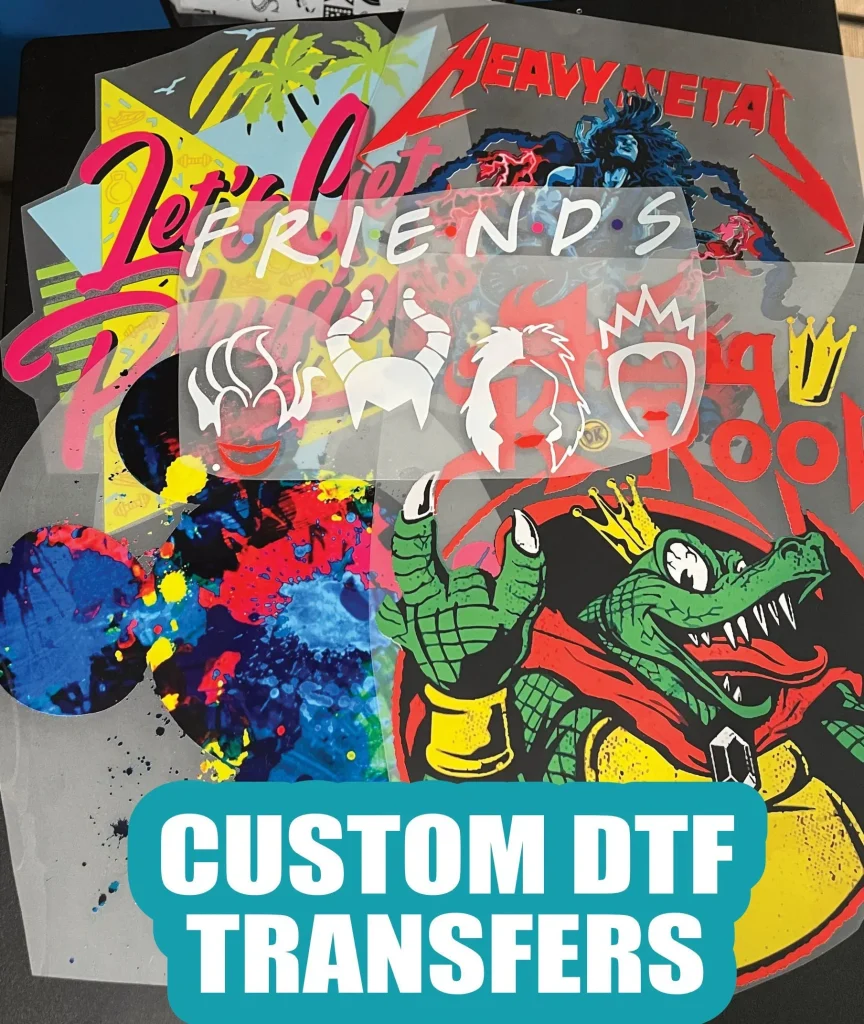
DTF Transfers, or Direct to Film transfers, represent a cutting-edge method in fabric printing that offers a blend of vibrant colors and exceptional durability. This innovative printing technique utilizes specially designed DTF film, allowing artists and creators to achieve stunning designs that adhere securely to various textiles. Understanding the nuances of DTF printing—from heat press settings to optimizing transfer adhesion—is essential for those looking to perfect their fabric printing techniques. Whether you’re a seasoned professional or just stepping into the world of textile design, mastering these elements can dramatically improve the quality of your prints. Join us as we delve into tips and tricks that will elevate your DTF Transfers and set you on the path to success in your fabric printing endeavors.
Direct to Film transfer printing, often referred to by its acronym DTF, is gaining popularity among textile designers for its ease of use and adaptability. This method not only ensures vibrant results but also enhances the longevity of prints through its advanced transfer adhesion processes. As you navigate the realm of fabric printing techniques, understanding the compatibility of your DTF film with various heat press settings becomes crucial. Furthermore, experimenting with different printer inks can lead to incredible enhancements in the final product. Embrace these innovative approaches to elevate your fabric printing game and explore the full potential of this exciting printing technology.
The Importance of DTF Film Quality
Choosing high-quality DTF film is crucial for a successful transfer. The type of film you select can directly impact the vibrancy and durability of your prints. Superior DTF films not only ensure that colors pop but also improve adhesion to various fabrics. They often come with specially formulated coatings that facilitate a smoother application, which is essential for achieving professional results.
In addition to adhesion properties, understanding the specifications of different DTF films can enhance your print quality. For instance, some films are specifically designed for certain types of fabric or ink combinations, making them more versatile for various projects. Investing in the right film ultimately creates a more manageable and efficient DTF printing process, saving time and resources.
Optimizing Printer and Ink Compatibility
The compatibility between your printer and ink is a vital factor in the DTF printing process. Selecting inks designed specifically for DTF technology can significantly improve the outcome of your transfers. These inks are engineered to bond with the DTF film and adhere to different textiles effectively, ensuring that your designs are not only vibrant but also long-lasting.
When exploring various ink options, consider conducting a few test prints to gauge performance. Different inks can produce diverse results depending on fabric types and color expectations. Ensuring that both your printer settings and inks align perfectly will lead to higher quality prints and fewer failures during production.
Mastering Heat Press Settings for DTF Transfers
Achieving the perfect DTF transfer is heavily reliant on mastering your heat press settings. Temperature and pressure play a pivotal role in how well the transfer adheres to the fabric. A recommended range of 320°F to 340°F, combined with medium to firm pressure, often yields the best results, promoting enhanced adhesion and an even finish.
Conducting test presses can help you fine-tune your settings based on material types. Factors such as fabric thickness and composition can affect your ideal heat press settings, necessitating adjustments for optimal transfer quality. By perfecting these settings, you will enhance the final product’s aesthetic appeal while ensuring durability.
The Technique of Pre-Pressing Fabric
Pre-pressing your fabric is a step that should not be overlooked in the DTF transfer process. This technique removes moisture and smooths out wrinkles, creating an ideal canvas for applying your transfer. The flat, dry surface ensures that the DTF film adheres evenly to the fabric, reducing the chances of uneven prints that can compromise the quality of your designs.
By incorporating pre-pressing into your workflow, you can significantly improve the adhesion of your transfers. It sets a solid foundation for the application process, allowing your prints to maintain their integrity during washing and wearing. Skipping this step may lead to unsatisfactory results, as even minor inconsistencies can lead to larger issues down the line.
Post-Transfer Treatment for Longevity
Once your DTF transfer is applied, the next critical step involves the post-transfer treatment. Allowing the transfer to cool fully before peeling away the backing is imperative for ensuring that the adhesive bonds sufficiently with the fabric. Rushing this process can result in peeling or lifted edges, which can compromise the quality of the transfer.
Different methods, such as cold or hot peeling, can yield various results. For instance, hot peeling might offer a sleeker finish, while cold peeling may enhance comfort against the skin. Testing these techniques on multiple fabric types can help identify which method yields the best outcome for your specific projects, leading to more consistent quality across your work.
The Value of Testing and Quality Control
Implementing a rigorous testing and quality control process is paramount in achieving consistent results with DTF transfers. By conducting test runs on scrap fabrics, you can assess how various designs react to your selected heat press settings. This practice not only enhances your understanding of the transfer process but also helps identify any potential issues before moving on to your final products.
Moreover, adopting a quality control routine allows you to monitor the long-term durability of your prints. Regular evaluations post-wash can help ensure that the transfers maintain their color vibrancy and integrity. Documenting any issues that arise will facilitate continuous improvement, allowing you to refine your processes and achieve consistently high-quality DTF prints.
Frequently Asked Questions
What are DTF transfers and how do they work?
DTF transfers, or Direct to Film transfers, are a fabric printing technique that allows vibrant designs to be printed on various materials. The process involves printing on a special DTF film with high-quality inks, which are then transferred onto the fabric using a heat press. This method is known for its ability to create durable prints with excellent color clarity and adhesion.
How do I choose the right DTF film for my projects?
Choosing the right DTF film is crucial for successful transfers. Look for high-quality films specifically designed for DTF printing, as they often have enhanced adhesive properties that improve color brightness and durability. Ensure the film is compatible with your printer and inks to achieve the best results in your DTF transfers.
What heat press settings should I use for DTF transfers?
For optimal DTF transfers, set your heat press to a temperature between 320°F to 340°F with medium to firm pressure. It’s essential to conduct test prints to determine the perfect settings for the fabric type you are using, as both temperature and pressure will significantly impact transfer adhesion and overall print quality.
Is pre-pressing fabric necessary for DTF transfers?
Yes, pre-pressing fabric is an important step in DTF transfers. This process removes moisture and wrinkles, allowing for better adhesion between the DTF film and the fabric. Pre-pressing ensures the transfer lays flat and bonds effectively, resulting in a smoother and more consistent print.
What is the difference between cold peel and hot peel methods for DTF transfers?
The cold peel and hot peel methods refer to the timing of peeling the DTF transfer film. A cold peel allows the transfer to cool completely before removal, which can produce a softer feel on some fabrics. Conversely, a hot peel involves removing the film while still warm, which may enhance adherence, especially on lighter materials. Testing both methods on different fabrics can help you determine which works best for your projects.
How can I conduct quality control for my DTF transfers?
Quality control in DTF transfers involves conducting test prints on scrap fabrics to identify the ideal settings and prevent issues like peeling or fading. It’s also crucial to regularly check printed items after washing for durability and appearance. Document any findings or adjustments made to your process to facilitate continuous improvement in your DTF printing technique.
| Key Aspect | Details |
|---|---|
| Choosing the Right Film | Select high-quality transfer films designed for DTF printing, ensuring compatibility with your printer and inks. |
| Printer and Ink Compatibility | Use inks that are compatible with your printer and formulated for DTF processes to enhance color vibrancy and adhesion. |
| Heat Press Settings | Maintain a temperature between 320°F to 340°F with medium to firm pressure to achieve optimal adhesion. |
| Pre-Pressing Fabric | Remove moisture and wrinkles from fabric to ensure better transfer adhesion and quality. |
| Post-Transfer Treatment | Allow transfers to cool before peeling, and test cold vs. hot peel methods for optimal results on different fabrics. |
| Testing and Quality Control | Conduct tests on scrap materials to establish the best settings and ensure durability through consistent quality checks. |
Summary
DTF Transfers are a powerful method for creating vibrant and durable prints on textiles. To achieve stunning results, it’s crucial to fully understand the materials used, the machines involved, and the overall process. By focusing on essential factors such as film selection, ink compatibility, heat press settings, and quality control, you can enhance the quality of your prints significantly. With thorough testing and careful attention to detail, DTF transfers can not only elevate your designs but also ensure their longevity, making them an invaluable asset in any printing endeavor.