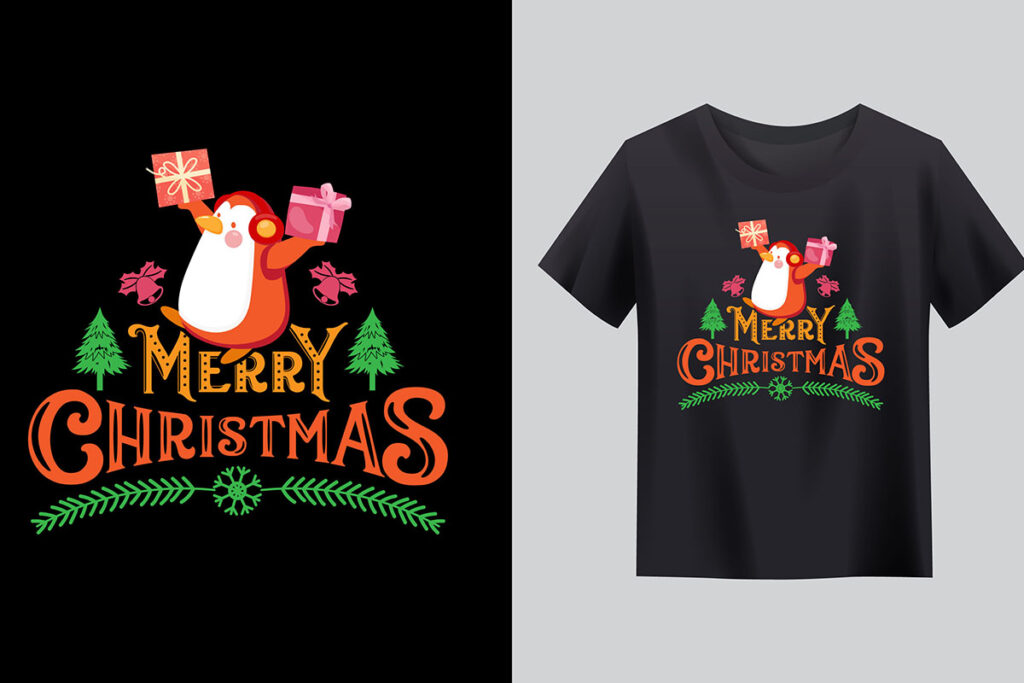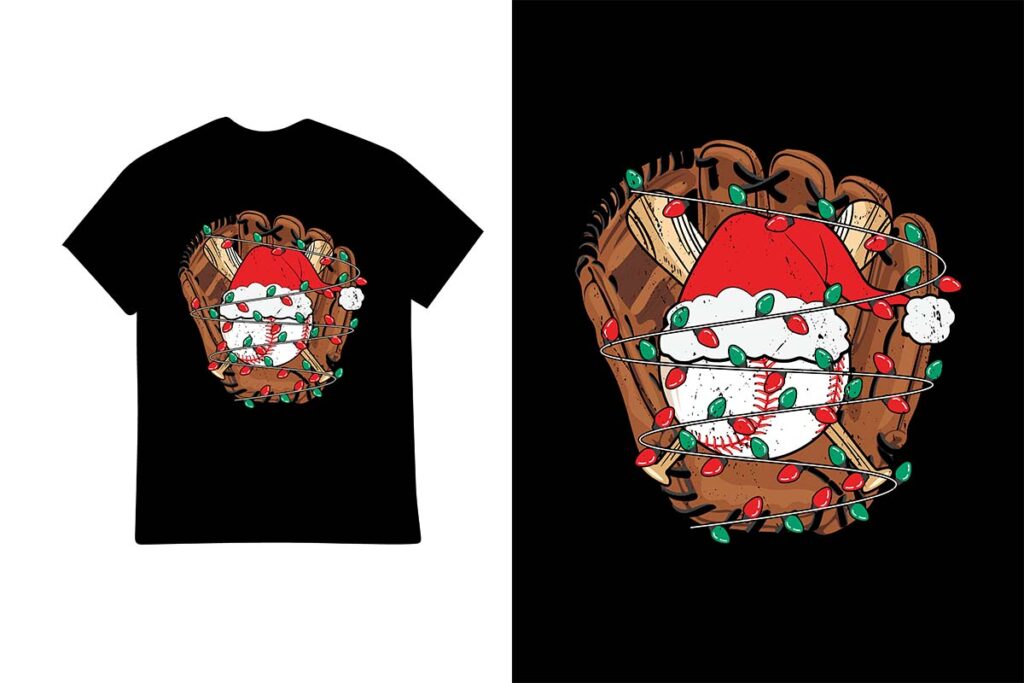
In the vibrant landscape of custom printing, **DTF transfers** (Direct to Film) are rapidly gaining traction as a preferred method for bringing intricate designs to life. This innovative printing technique allows for exceptional detail and vivid colors across various fabric types, setting it apart from more traditional methods like screen printing, sublimation, and direct-to-garment (DTG) printing. As businesses and enthusiasts alike seek reliable and high-quality solutions, DTF printing presents a compelling option that balances efficiency with versatility. With DTF transfers, artists can easily adapt designs for different materials, making it an ideal choice for personalized garments and promotional items. This guide explores the remarkable advantages of DTF printing and how it stands out amid the other popular printing processes.
In contemporary custom textile printing, terms like Direct to Film (DTF) transfers have become synonymous with high-quality design application. This method offers a modern alternative to traditional styles such as DTG printing and screen printing, highlighting its capacity to deliver stunning results on a wide array of fabrics. DTF technology utilizes a unique film transfer process that creates vibrant and durable prints, appealing to both small businesses and individual creators. Whether you are considering sublimation printing or exploring the nuances of custom printing, understanding the nuances of DTF can enhance your creative possibilities. Embracing these advancements in printing methods allows for greater flexibility in design execution and market adaptability.
Understanding DTF Transfers in Detail
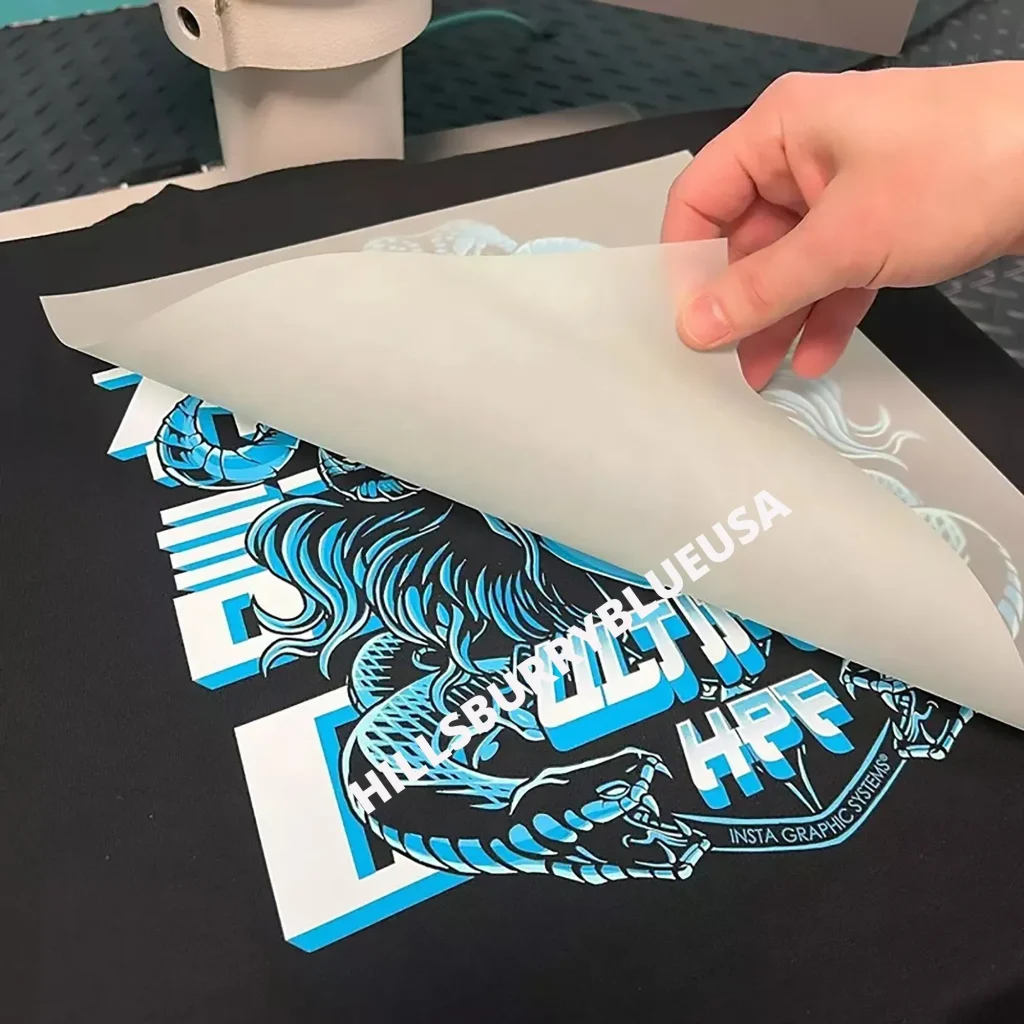
Direct to Film (DTF) transfers represent a significant advancement in the realm of custom printing, effectively merging versatility with high-quality output. The process begins with printing on a specialized film, which is then adhered to various fabrics through an adhesive powder that ensures longevity and a vibrant finish. This method excels not just in producing vivid colors, but also intricate details that traditional printing methods sometimes struggle to replicate.
Moreover, DTF transfers are particularly appealing for businesses targeting diverse fabric types, as they work seamlessly with cotton, polyester, and even blended materials. This compatibility opens new avenues for custom applications, such as promotional apparel and personalized merchandise, catering to a wider audience and various market segments.
DTF Printing Versus Traditional Methods
Comparing DTF printing with other methods like screen printing, DTG, and sublimation reveals several compelling advantages. For instance, while screen printing remains favored for bulk orders due to its cost-effectiveness, the setup time for creating screens can greatly prolong the process, especially for designs with multiple colors. In contrast, DTF transfers allow for quick turnaround and flexibility. This means that small to medium-sized businesses can quickly adapt their designs without the need for extensive setup.
Additionally, DTG printing is ideal for detailed images directly on garments, yet it comes with limitations when handling dark fabrics, necessitating pretreatment that can slow down production. DTF printing circumvents this issue completely, enabling businesses to print on a broader spectrum of fabrics without additional treatments.
Evaluating the Durability of DTF Transfers
One of the main concerns in textile printing is the durability of the prints, and DTF transfers excel in this regard. The adhesive used in this method ensures that the designs remain vibrant and intact, even after multiple washes. This quality is particularly important for items like custom t-shirts and activewear that endure regular wear and washing.
In comparison, while sublimation printing offers bright graphics, it is limited to polyester materials and may not provide the same level of durability on other fabrics. DTF’s ability to cater to both natural and synthetic fabrics allows for greater longevity across various applications, giving it a clear edge in the market.
Cost Considerations for DTF Printing
When contemplating the adoption of DTF printing technology, the initial investment for equipment and materials can be a critical consideration. Although the upfront costs, such as acquiring printers, films, and supplies, may appear daunting, the potential return on investment is substantial. This is especially true for businesses poised to step into the growing market of custom apparel.
Furthermore, while ongoing costs for consumables like films and adhesive powders must be factored into budgeting strategies, the efficiency and speed of DTF printing can translate into faster project completion times and the ability to handle varying order sizes, ultimately leading to enhanced profitability.
The Future of DTF Printing Technology
As we look toward the future of printing technologies, DTF transfers are likely to continue their rapid evolution. The growing demand for customized printing solutions has prompted manufacturers to innovate, making DTF printers more user-friendly and accessible for small businesses. This shift enables more enthusiasts to break into the customized garment industry without facing insurmountable barriers.
Additionally, advancements in DTF technology promise improvements in speed, quality, and efficiency, which could revolutionize how businesses approach custom garment printing. As more capabilities are introduced, it will open doors for creative expression and commercial enterprise, positioning DTF printing at the forefront of the textile industry.
Why Choose DTF Transfers for Your Custom Printing Needs?
Choosing DTF transfers for custom printing offers a myriad of advantages that cater to diverse customer needs. One key aspect is the remarkable quality of output, featuring high-resolution prints that achieve stunning detail and color vibrancy across various fabric types. This outstanding quality is paramount, especially for clients who seek to make a statement with their designs.
Moreover, the flexibility of DTF printing allows businesses to efficiently manage both small and large orders while maintaining a high standard of output. This adaptability is crucial for responding to market trends and customer demands rapidly, which can ultimately result in higher customer satisfaction and loyalty.
Frequently Asked Questions
What are DTF transfers in textile printing?
DTF transfers, or Direct to Film transfers, are a modern printing technique where designs are printed onto a special film, which is then adhered to fabric using adhesive powder. This method allows for vibrant colors and intricate details on various fabric types, making it a popular choice for custom printing.
How do DTF transfers compare to DTG printing?
DTF transfers offer several advantages over Direct to Garment (DTG) printing, including the ability to print on a wider range of fabrics without the need for pretreatment. Additionally, DTF printing provides faster setup times and quicker turnaround for designs, making it an excellent option for small to medium print runs.
Are DTF transfers better than screen printing for custom projects?
While screen printing is cost-effective for large orders, DTF transfers are often preferred for custom projects due to their simpler setup and flexibility in design adjustment. DTF printing allows for quicker execution and is ideal for smaller quantities, making it an attractive option for custom print enthusiasts.
What materials can DTF printing be used on?
DTF printing is versatile and can be applied to a variety of fabrics, including cotton, polyester, and blends. This capability gives DTF transfers an edge over other methods like sublimation, which is primarily limited to polyester and polymer-coated materials.
How durable are DTF transfers compared to other methods?
DTF transfers offer impressive durability and quality, with excellent wash resistance. This means that designs created through DTF printing maintain their vibrancy and detail even after multiple washes, making them a reliable choice for apparel and custom items.
What are the initial costs involved in starting with DTF printing?
Starting with DTF printing requires an investment in specific equipment, such as printers, films, and adhesive powders. While the initial setup costs can be significant, they are often offset by the efficiency and quality that DTF printing delivers for custom projects.
| Printing Method | Key Features | Advantages of DTF | Considerations |
|---|---|---|---|
| DTF Transfers | Prints onto a special film applied to fabric with an adhesive powder. | Versatile with fabric types; no pretreatment needed; quicker setup. | Initial equipment investment; cost of consumables. |
| Direct to Garment (DTG) | Prints directly on garments, good for detailed images. | No need for pretreatment; faster turnaround time. | Limitations on dark fabrics and requires more prep time. |
| Screen Printing | Best for bulk orders; cost-effective for large runs. | Lower setup times for smaller projects; adaptable designs. | Time-consuming setup; requires multiple screens. |
| Sublimation | Requires polyester or polymer coatings; vibrant colors. | Suitable for both natural and synthetic fabrics. | Limited to specific materials. |
Summary
DTF transfers have revolutionized the custom printing landscape with their superior versatility and efficiency compared to traditional methods. In today’s competitive market, DTF printing stands out not only for its ability to cater to various fabric types but also for its impressive wash durability and detail. As technology advances, DTF continues to evolve, providing businesses and individuals with exciting opportunities for personalized printing that aligns with modern consumer demands. Understanding DTF transfers and their benefits is essential for anyone looking to enhance their printing capabilities and offer high-quality products.