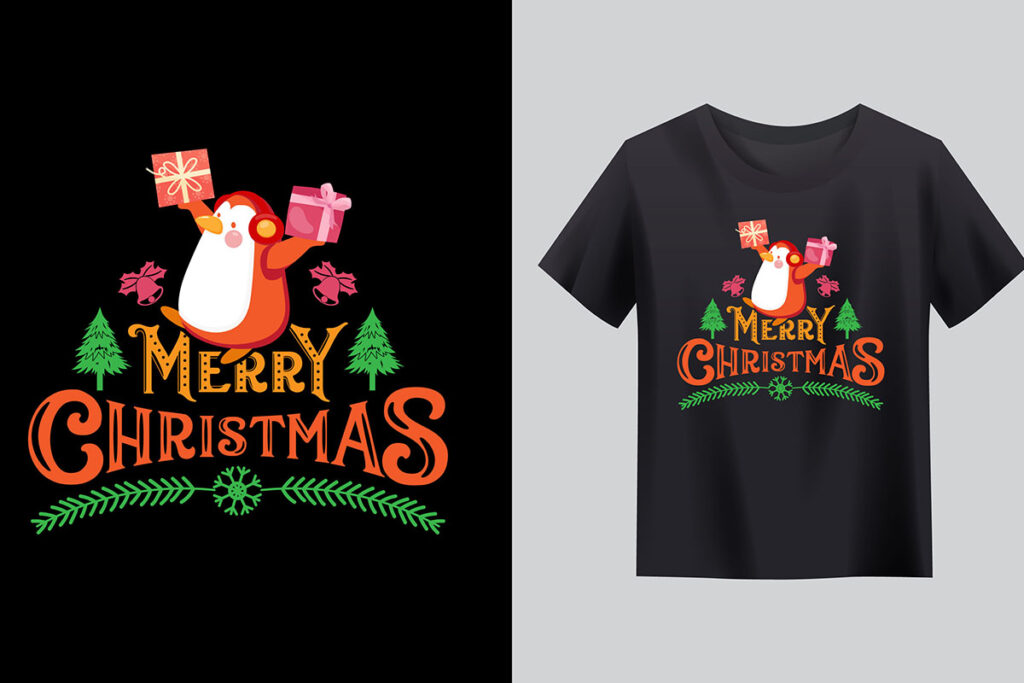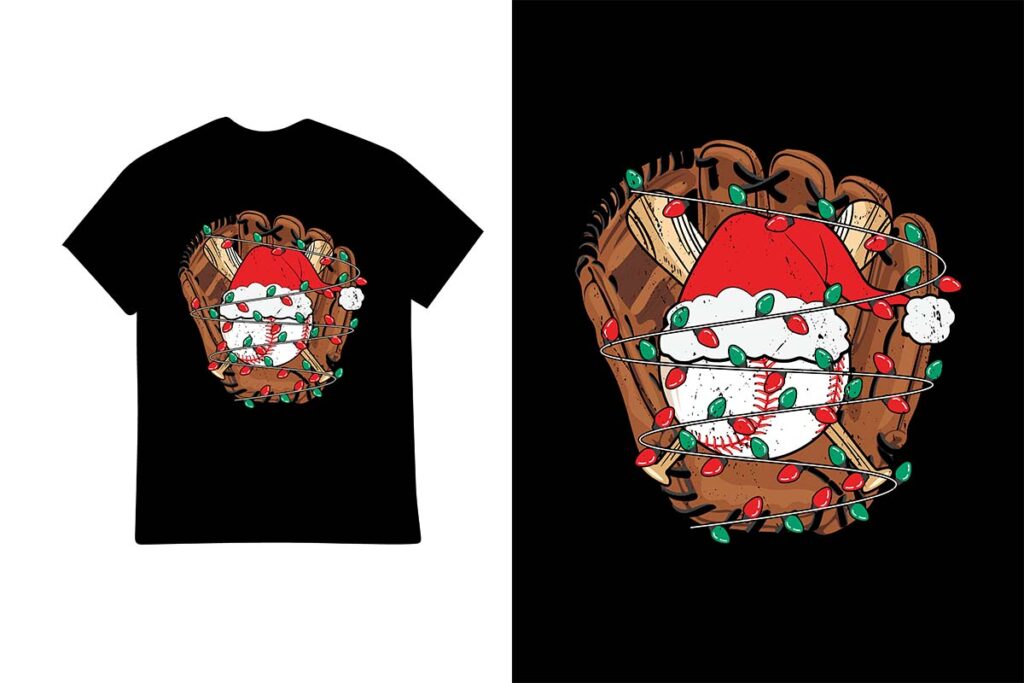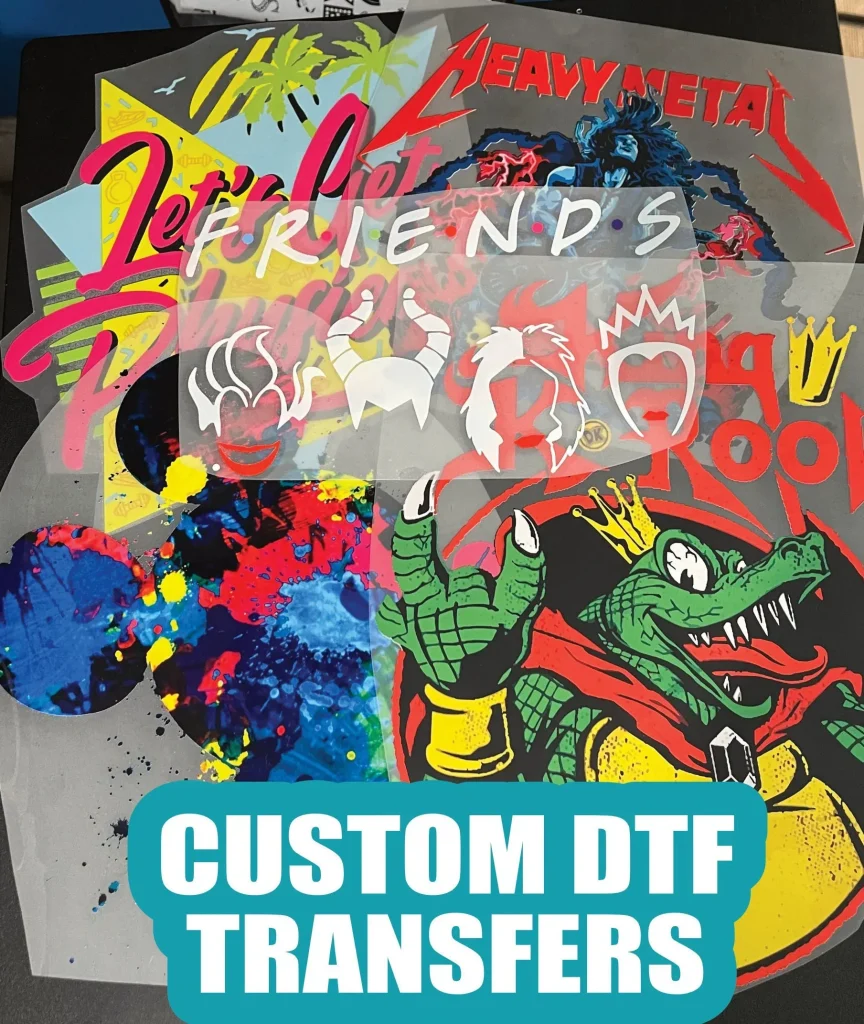
DTF transfers, or Direct-to-Film transfers, are redefining the landscape of custom apparel printing, offering a revolutionary approach to garment decoration. This innovative technology has gained traction in the print industry, allowing businesses to create stunning designs with unparalleled quality and durability. By utilizing DTF printing, companies can cater to the growing demand for personalized fashion, especially in the bustling e-commerce sector. As the production process becomes more accessible, print shops are discovering that DTF technology enhances both productivity and flexibility, setting a new standard for custom prints. In this blog post, we delve into how DTF transfers are not only transforming the way garments are decorated, but also driving leaps in print industry innovations.
Direct-to-Film transfers, often dubbed as a game-changing technique in the custom printing realm, are ushering in a new era for apparel design. This method, which enables vibrant and intricate designs to be printed onto special films before being applied onto various fabrics, has captured the attention of businesses seeking efficient and high-quality printing solutions. The rise of DTF technology aligns with the shift towards more personalized merchandise, ensuring that even small brands can produce stunning items without the burden of excessive upfront costs. As the garment decoration market continues to evolve, alternative methods like this are becoming increasingly vital for companies looking to stay competitive in a fast-paced environment. It’s clear that DTF transfers represent not just a trend, but a fundamental transformation in the approach to custom apparel printing.
Understanding DTF Printing Technology
Direct-to-Film (DTF) printing technology stands at the forefront of modern custom apparel printing, employing a unique process that allows for designs to be printed onto a specialized film before being transferred onto fabric. This revolutionary method combines the benefits of traditional screen printing with the precision of digital printing, enabling vivid colors and intricate details to come to life on various garment types. With DTF, designers can achieve vibrant prints that not only look great but also withstand the rigors of washing and wearing. The use of high-grade inks in DTF technology ensures that the designs maintain their quality over time, making it a preferred choice for brands looking to offer durable and attractive apparel.
The adaptability of DTF printing technology extends beyond fabric types, offering versatility that appeals to a multitude of markets. From cotton and polyester to blends and specialty fabrics, DTF transfers can be applied with ease. This flexibility is particularly beneficial for small businesses and startups that often have diverse product lines and customized offerings. By utilizing DTF technology, these companies can streamline their production processes and respond quickly to changing consumer demands, ultimately driving growth in the competitive custom apparel market.
Benefits of Using DTF Transfers for Custom Apparel
One of the standout benefits of utilizing DTF transfers in custom apparel production is their unmatched versatility. DTF printing allows companies to create high-quality designs on a vast array of materials, accommodating everything from t-shirts to high-performance athletic wear. As the demand for personalized clothing continues to soar, businesses leveraging DTF technology can cater to diverse customer preferences, offering a wider selection of products without the need for significant upfront investment in machinery.
Beyond versatility, DTF transfers boast a fast turnaround time compared to traditional printing methods. The simplicity of the DTF process—from design printing on film to transfer application—means businesses can quickly adapt to market trends and consumer requests. This speed of execution not only meets consumer expectations for rapid delivery but also enhances overall operational efficiency. For startups and small brands entering the custom apparel market, adopting DTF technology translates to a competitive edge that is essential in the bustling print industry.
Recent Innovations in DTF Transfer Technology
Recent innovations in DTF technology have made significant strides in elevating the quality and efficiency of custom apparel printing. For instance, Sam’s DTF Transfers has introduced premium services that promise rapid production without minimum order requirements. This advancement opens doors for small businesses to explore custom designs without the fear of over-committing on stock. By enabling brands to test new ideas and respond to consumer feedback more agilely, these innovations represent a critical evolution in the garment decoration landscape.
Moreover, Snuggle’s introduction of a new DTF platform has transformed production workflows for many trade printers and resellers, minimizing the typical need for costly equipment. This accessibility to sophisticated technology empowers a broad range of businesses to embrace custom apparel printing, meeting the growing demand for innovative and personalized clothing solutions. This shift in the industry not only facilitates new operational efficiencies but also encourages a culture of creativity and experimentation within the print sector.
How DTF Transfers Enhance Market Competitiveness
With the rise of DTF transfer technology, market competitiveness has reached new heights in the custom apparel space. Businesses can now efficiently produce high-quality, detailed prints with minimal setup costs, making it an attractive proposition for both established brands and newcomers. DTF technology’s quick production capabilities enable brands to offer their customers timely choices, catering to the ever-evolving tastes in fashion and lifestyle. This capability creates a unique advantage over traditional methods, allowing companies to stand out in a saturated market.
Furthermore, the cost-effectiveness of DTF transfers allows businesses to keep pricing competitive while maintaining healthy profit margins. Since the technology does not require the extensive equipment and labor associated with other printing methods, companies can allocate their resources more strategically. As a result, they can focus on marketing their unique designs and cultivating customer loyalty, ensuring that they remain ahead in the fast-paced world of custom apparel.
The Future of Apparel Decoration Through DTF Technology
As we look to the future, DTF technology is poised to redefine the standards of apparel decoration. The continual innovations in DTF processes signal a robust evolution in the print industry, making it crucial for businesses to adopt these advancements to remain relevant. With ongoing upgrades in the quality of inks, films, and printers, the future of DTF transfers looks promising— paving the way for increasingly sophisticated designs that meet the exacting standards of today’s consumers.
The focus on sustainability and eco-friendliness in production is also expected to influence the future of DTF printing. As brands become more aware of their environmental impact, adopting DTF technology with high-quality, sustainable materials will not only enhance their marketability but also align with consumer values. This shift towards responsible production practices combined with the customizable nature of DTF will likely expand the capabilities of garment decoration, creating a new landscape where creativity and sustainability coexist.
Challenges and Solutions in DTF Transfer Production
Despite the advantages of DTF transfers, there are challenges that businesses may encounter during production. One common issue is the learning curve associated with mastering the DTF printing process, as it differs from traditional methods. Companies need to invest time in training their staff to ensure consistent print quality. Additionally, managing the supply chain of materials—such as films and inks—can also pose challenges, especially for businesses that are scaling up their operations.
Fortunately, there are solutions available to address these challenges. Investing in comprehensive training programs and partnering with suppliers who offer quality materials and support can significantly improve production outcomes. Furthermore, leveraging industry networks and attending trade shows can provide valuable insights and connections that help businesses optimize their DTF production processes. Armed with the right knowledge and resources, companies can overcome initial hurdles and fully capitalize on the potential of DTF transfers.
Frequently Asked Questions
What is the process of DTF printing for custom apparel?
DTF printing, or Direct-to-Film printing, involves printing designs onto a special film which is then transferred onto the fabric using heat and pressure. This method enables vivid and intricate designs with outstanding durability, making it a popular choice in custom apparel printing.
What are the main benefits of using DTF transfers in garment decoration?
DTF transfers offer several benefits for garment decoration, including versatility to print on various fabric types, no minimum order requirements for small businesses, high-quality and durable results, and cost-effectiveness due to lower machinery costs compared to traditional printing methods.
How does DTF technology enhance the print industry?
DTF technology enhances the print industry by streamlining the custom apparel printing process, allowing for faster production times, increased design flexibility, and the ability to cater to the growing demand for personalized clothing without the constraints of traditional methods.
Can DTF transfers be used for different types of fabrics?
Yes, DTF transfers can be used on a wide range of fabrics including cotton, polyester, and fabric blends. This adaptability makes DTF technology an ideal choice for diverse custom apparel lines.
What recent innovations have occurred in DTF printing technology?
Recent innovations in DTF printing technology include new premium services launched by companies like Sam’s DTF Transfers and innovative platforms introduced by Snuggle, which streamline the garment decoration process, making it more accessible and efficient for businesses.
Is DTF printing cost-effective for small businesses?
Absolutely! DTF printing is highly cost-effective for small businesses as it eliminates the need for expensive equipment and allows for no minimum order requirements, enabling them to start printing custom apparel without significant financial investment.
| Key Point | Details |
|---|---|
| Introduction | DTF transfers are transforming the print industry by enhancing custom apparel production. |
| What Are DTF Transfers? | DTF transfers print designs onto film, which is then applied to fabric with heat and pressure for durable results. |
| Advantages of DTF Transfers | 1. Versatility in fabric usage. 2. No minimum order requirements. 3. High-quality, durable prints. 4. Cost-effective with lower overhead. |
| Recent Innovations | New services by Sam’s DTF and platforms by Snuggle are enhancing DTF capabilities and availability. |
| Future of DTF Transfers | Increasing demand for customization indicates a strong future for DTF in the print industry. |
Summary
DTF Transfers are revolutionizing the print industry by introducing innovative technologies that significantly enhance custom apparel production. The recent advancements in DTF technology, exemplified by companies like Sam’s DTF Transfers and Snuggle, have allowed print businesses to produce high-quality and personalized garments with greater efficiency and flexibility. As the market continues to trend towards personalized clothing, DTF transfers stand at the forefront, enabling businesses to meet customer demands without the limitations of traditional printing methods. Looking ahead, it is clear that DTF transfers will play a pivotal role in shaping the future landscape of the print industry, driving creativity and offering enriching consumer experiences.