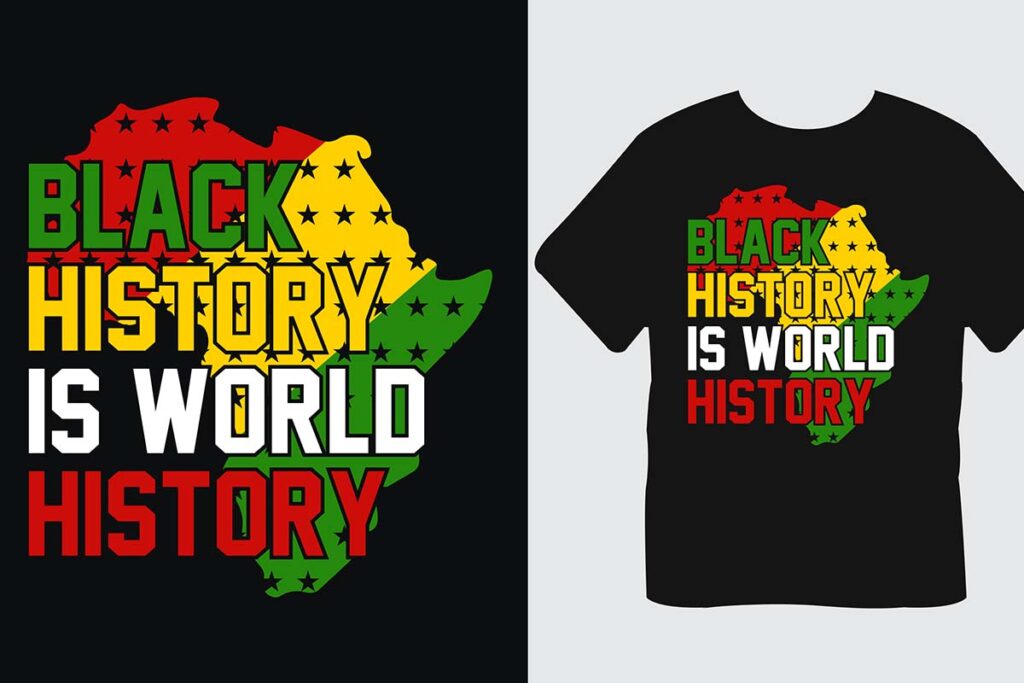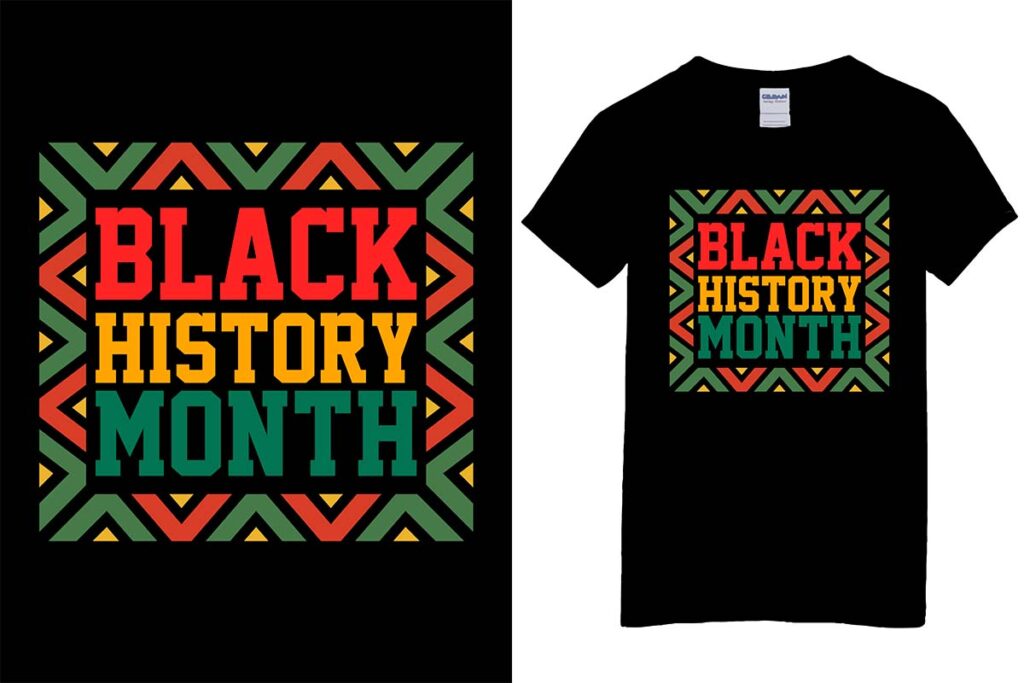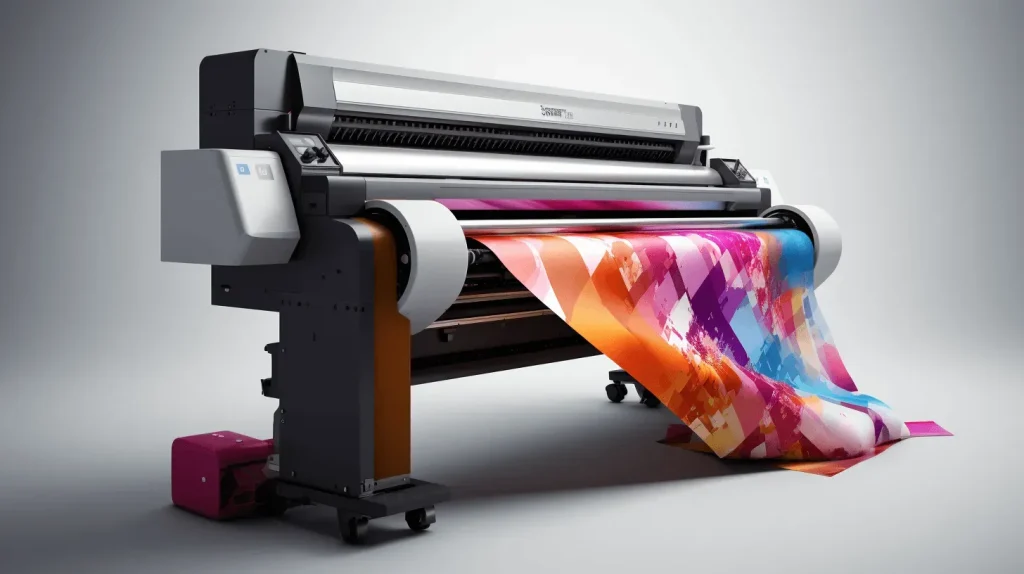
DTF printing, or Direct to Film printing, is revolutionizing the world of custom apparel printing with its cutting-edge technology. This method allows for the seamless transfer of high-resolution images onto a variety of materials, significantly enhancing the vibrancy and detail of designs. As the demand for personalized clothing rises, DTF printing stands out for its ability to cater to both small and large scale productions efficiently. In addition to its impressive print quality, DTF printing provides benefits such as flexibility with different fabrics and cost efficiency for short runs, making it an attractive choice for businesses of all sizes. This guide will explore DTF printing’s advantages, innovations, and how it stacks up against other techniques like DTG (Direct to Garment) printing.
In the realm of textile printing, Direct to Film printing has emerged as a frontrunner for those seeking perfect prints for fabric. Also known as DTF, this innovative process facilitates the application of vibrant artwork onto a wide range of fabrics, positioning itself as a game-changer for custom apparel makers. The efficiency of DTF printing allows for quicker production times when compared to traditional methods, making it ideal for businesses aiming to fulfill growing demands for personalized items. With its combination of versatility and cost-effectiveness, DTF is rapidly becoming synonymous with modern printing solutions. By diving deeper into its technology and benefits, we can better understand how DTF can transform the way we approach custom printing.
Exploring the Basics of DTF Printing
DTF printing, or Direct to Film printing, begins with the application of an image onto a special film. This film is then positioned onto the fabric and subjected to heat and pressure using a heat press. This process stands out as a versatile printing method that can adapt to a range of textiles, surpassing the limitations seen in other methods like DTG. Consequently, DTF offers garment decorators and businesses the flexibility to print on materials such as polyester and nylon, enabling them to cater to diverse client needs.
The core technology of DTF printing combines the advantages of traditional and modern printing methods. Unlike screen printing, which requires a lengthy set-up process for each color, DTF allows for full-color prints to be created swiftly and efficiently. This not only streamlines production but also enhances overall print quality, providing vibrant results that resonate with today’s vivid design trends. Embracing DTF printing means utilizing a technology that smartly intersects convenience with high-quality outputs.
The Key Benefits of DTF Printing
One of the most compelling benefits of DTF printing is its high image quality. The process supports intricate designs with exceptional details, which can often be a challenge for other printing methods. DTF’s capability to produce rich colors also results in a visually appealing product that stands out in the market, making it an ideal choice for custom apparel printing.
Another significant advantage is the adaptability of DTF printing technology. As it can be applied to a wide variety of fabrics beyond just cotton, including blends and synthetics, businesses can diversify their product offerings. This versatility ensures that companies can meet the demands of their customers without being limited to specific material types, further strengthening their market position.
DTF Printing vs. DTG: A Comparative Analysis
When comparing DTF printing to Direct to Garment (DTG) printing, one key difference emerges regarding material applications. DTF printing shines by successfully working on various fabric compositions, making it suitable for diverse customer bases. DTG, on the other hand, struggles with fabrics other than cotton, limiting its usability. This flexibility in fabric choice gives DTF printing a competitive edge in the custom apparel space.
Moreover, DTF tends to offer lower startup costs for small runs when compared to DTG. DTG printing often requires significant investment in pre-treatment processes for certain fabrics, while DTF circumvents this by allowing prints directly on untreated films. This cost efficiency enhances DTF’s appeal, particularly for startups or smaller businesses aiming to provide custom prints without excessive overhead.
Overcoming Challenges in DTF Printing
While DTF printing offers a host of benefits, challenges such as print durability cannot be overlooked. Although DTF prints are generally resilient, proper care is crucial to maintaining their quality over time. For instance, gentle washing and avoiding high heat settings during drying cycles are essential to prolong the life of prints, ensuring customer satisfaction.
Another hurdle can be the initial investment involved in setting up DTF operations. The purchase of specialized printers and heat presses can impose a financial burden on new businesses looking to adopt this technology. However, many find that the potential return on investment, particularly through customization opportunities, often outweighs these initial costs, leading to healthy profit margins.
Fresh Developments and Innovations in DTF Technology
Recent advancements in DTF printing technology have significantly improved both production speed and output quality. Innovations such as faster printers and enhanced ink formulations have emerged, allowing businesses to meet increasing demand while ensuring outstanding print fidelity. These developments not only expedite order fulfillment but also position companies to handle larger projects more efficiently.
In addition to speed enhancements, ink improvements are shifting the standards of durability and vibrancy in DTF printing. With more resilient inks that resist fading and wear, businesses can promise their customers high-quality products that maintain their appeal even after extended use. These innovations are crucial for building a reputable brand in the competitive custom printing market.
Essential Learning Resources for DTF Printing Enthusiasts
For those new to DTF printing or aiming to expand their skills, numerous online resources are readily available. Various platforms provide in-depth tutorials that cover everything from the basics to advanced techniques in DTF application. Engaging with these resources can significantly enhance understanding and mastery of the DTF process, ultimately leading to better business outcomes.
Additionally, participating in webinars and workshops presents another invaluable opportunity. Many industry experts host sessions designed to share insights on the latest trends and best practices in DTF printing. By actively engaging in these learning experiences, individuals can stay ahead of the curve and implement new strategies that could benefit their printing businesses.
Frequently Asked Questions
What are the main benefits of DTF printing?
DTF printing, or Direct to Film printing, offers several advantages including high image quality, material versatility, ease of use, and cost-effectiveness for small runs. The method produces vibrant, detailed prints on various fabrics, making it ideal for custom apparel printing.
How does DTF printing compare to DTG printing?
DTF printing differs from DTG (Direct to Garment) printing primarily in its ability to print on a wider range of materials beyond just cotton. While DTG excels in direct printing on garments, DTF printing generates more versatility and is often more economical for small print runs, making it a preferred choice for businesses.
Is DTF printing suitable for custom apparel?
Yes, DTF printing is highly suitable for custom apparel due to its high-quality output, versatility with various fabric types, and cost-effectiveness for small batch orders. This technology allows for intricate designs to be printed with ease, making it a popular option among custom apparel manufacturers.
What equipment is needed for a DTF printing setup?
To set up DTF printing, you’ll need specialized printers that can handle the printing of films, heat presses for transferring the prints to fabric, and consumables such as DTF inks and films. These components work together to create the finished printed product.
What recent developments have improved DTF printing technology?
Recent advancements in DTF printing technology include the introduction of faster printers that reduce production times and improved ink formulations that enhance print vibrancy and durability. These developments have made DTF printing more efficient and appealing for businesses of all sizes.
Are there any challenges associated with DTF printing?
Yes, while DTF printing offers many benefits, challenges include ensuring print durability over time with proper care and managing initial investment costs for setting up DTF operations, which can include purchasing equipment and necessary materials.
| Aspect | Details |
|---|---|
| Introduction to DTF Printing | DTF printing, or Direct to Film printing, is a modern method for high-quality textile printing, popular among individuals and businesses alike. |
| What is DTF Printing? | DTF printing transfers designs onto fabrics using a special film that is heat-pressed onto the substrate, blending DTG and traditional screen printing benefits. |
| Benefits of DTF Printing | 1. High image quality with vibrant colors. 2. Material versatility—works on various fabrics. 3. User-friendly and accessible for all skill levels. 4. Cost-effective for small runs. |
| Recent Developments | Advances like faster printers and improved ink formulations enhance efficiency and product durability, meeting customization demands. |
| Challenges and Considerations | 1. Print durability may require special care. 2. Initial investment for equipment and materials. |
| Learning Resources | Online tutorials, webinars, and industry blogs provide valuable insights into mastering DTF printing. |
Summary
DTF printing is a revolutionary technique in textile printing, bringing forward a blend of quality and versatility that traditional methods often lack. By utilizing Direct to Film technology, businesses and hobbyists can achieve vibrant, high-resolution prints on various materials. Whether you’re producing custom apparel or promotional products, DTF printing not only responds to a growing demand for personalized items but also enhances production efficiency. As this method progresses with ongoing technological advancements, it holds prime potential to reshape the landscape of custom printing, enabling creators to fulfill diverse aesthetic and functional requirements. Embracing DTF printing can thus offer a distinct advantage in any printing endeavor.