In the ever-evolving world of textile printing, **DTF printing** (Direct-to-Film) stands out as a revolutionary process reshaping the industry landscape. This modern printing technique enables businesses to produce vibrant, intricate designs quickly and efficiently, catering to the increasing demand for customization in fashion and other textile applications. Not only does DTF printing streamline production, but it also embraces sustainable practices, making it an attractive option for eco-conscious brands. By reducing waste and utilizing fewer resources compared to traditional methods, DTF aligns perfectly with the growing trend toward sustainable printing solutions. As the textile industry adapts to these innovations, DTF emerges as a frontrunner in textile technology, poised for significant growth in the future.
Direct-to-Film, often referred to in the industry as DTF printing, represents a significant leap forward in the realm of textile technology. This cutting-edge method, which involves applying designs onto a specialized film before transferring them to fabric, provides unparalleled quality and detail. Beyond just efficiency, DTF is an environmentally friendly method that caters to the demand for sustainable printing practices, allowing designers and businesses to produce custom textiles without the extensive resource consumption associated with older techniques. This shift not only enhances the printing experience but also aligns with consumers’ increasing preference for eco-conscious products. As the market for customized textiles grows, techniques like DTF printing are becoming essential tools for success in this competitive landscape.
Understanding the Basics of DTF Printing
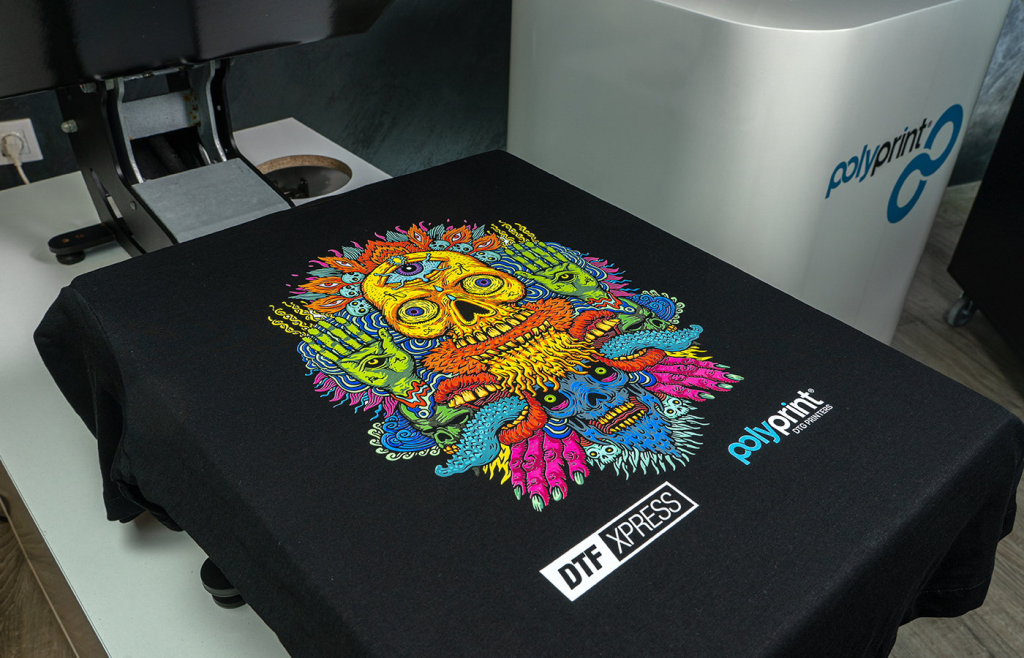
Direct-to-Film (DTF) printing is a modern textile printing process that revolutionizes how designs are applied to fabric. At its core, DTF printing involves transferring vibrant designs from a specially printed film onto various textiles using heat and pressure. This technique is becoming increasingly popular due to its ability to produce high-quality prints with unmatched detail and color vibrancy. Unlike traditional methods, which may involve complex setups and limited materials, DTF opens the door to greater creativity and customization for businesses and artists alike.
Moreover, DTF allows for a more efficient workflow compared to conventional textile printing techniques. This advancement not only saves time and reduces production costs but also caters to the growing demand for quick turnaround times in the fashion and apparel industries. As technology continues to evolve, DTF printing stands out as a cutting-edge solution that blends the benefits of digital printing with the versatility required for today’s dynamic market.
The Environmental Benefits of DTF Printing
In an era where sustainability is paramount, DTF printing emerges as a frontrunner in environmentally friendly textile technology. Traditional textile printing methods often require large amounts of water and can generate significant waste from excess inks and chemicals. In contrast, DTF printing minimizes these environmental impacts by utilizing less water and producing minimal waste materials. Companies are increasingly recognizing the importance of sustainable practices, making DTF an appealing option for those looking to align their brand with eco-conscious values.
Furthermore, as consumers become more environmentally aware, they actively seek out brands that prioritize sustainable practices in their manufacturing processes. By adopting DTF printing, businesses not only enhance their operational efficiency but also appeal to a growing market segment that supports green initiatives. This trend signifies a positive shift in the textile industry, as DTF technology can lead the way towards a future that balances profitability with responsibility.
How DTF Printing Enhances Production Capabilities
The rapid advancements in DTF technology have significantly enhanced production capabilities across the textile printing industry. With the advent of large format DTF printers, businesses can now produce high-volume prints while maintaining exceptional quality and detail. This evolution allows companies to meet the increasing demand for customized products, from apparel to home textiles, while also catering to niche markets that require specialized designs.
Additionally, the ability to print on various fabrics with DTF technology—ranging from cotton to synthetic blends—ensures that businesses can diversify their offerings and capture a broader audience. As brands strive to stand out in a crowded market, the capacity to provide unique and high-quality printed products becomes a crucial differentiator, driving further investment and innovation in DTF printing solutions.
Exploring the Customization Potential with DTF
One of the standout features of DTF technology is its exceptional customization potential. Businesses can easily create unique designs tailored to their customers’ preferences, enabling them to stand out in a competitive marketplace. Whether it’s small batch runs for niche markets or larger volumes for mainstream appeal, DTF printing provides the flexibility needed to meet diverse customer demands.
This high degree of customizability not only enhances customer satisfaction but also fosters brand loyalty. Consumers are increasingly drawn to brands that understand their individuality and can offer personalized products. As a result, businesses leveraging DTF technology are well-positioned to capitalize on this trend, driving sales and brand recognition in a rapidly evolving textile landscape.
The Role of Technology in DTF Advancements
The evolution of DTF printing is heavily influenced by advancements in technology. Continuous improvements in printing equipment and software have optimized the DTF process, making it faster and more user-friendly. Innovations such as improved ink formulas and compatibility with new fabric types have expanded the horizons of what DTF printing can achieve, allowing more intricate designs and improved durability.
As technology progresses, companies are investing in training and resources to stay ahead in the DTF printing game. This commitment not only enhances the skill sets of workers in the industry but also leads to a more knowledgeable workforce that can fully utilize the capabilities of DTF technology. In this way, the intersection of technology and education plays a pivotal role in shaping the future of textile printing.
Comparing DTF with Other Textile Printing Methods
When considering textile printing methods, DTF technology offers distinct advantages over traditional techniques like screen printing and sublimation. While screen printing can be limited in terms of color quality and detail, DTF printing allows for the reproduction of intricate designs with vibrant colors applicable to various fabric types. This versatility makes DTF a preferred choice for both craftspeople and businesses alike, who desire a broad array of printing capabilities.
On the other hand, sublimation printing requires specific types of fabric and does not work well with dark colors. DTF overcomes these limitations by allowing printing on both light and dark textiles, thus broadening the potential applications. As businesses strive to meet the demands of an increasingly sophisticated consumer base, DTF technology stands out as a transformative solution that meets diverse printing needs.
Frequently Asked Questions
What is DTF (Direct-to-Film) printing and how does it work?
DTF (Direct-to-Film) printing is a modern textile printing process where designs are printed onto a special film and then transferred onto fabric using heat and pressure. This method allows for vibrant colors and intricate designs on a variety of materials, enhancing its versatility in custom printing applications.
What are the sustainability benefits of DTF printing compared to traditional methods?
DTF printing boasts several sustainability benefits, including reduced water and energy usage compared to traditional textile printing methods. By minimizing chemical waste and promoting recyclable materials, DTF has emerged as an eco-friendly alternative, appealing to environmentally-conscious brands and consumers.
How does DTF printing technology enhance customization in textile printing?
DTF printing allows for high-quality, detailed designs that can be easily customized for various applications, such as personalized apparel and promotional items. Its ability to print on diverse materials makes it an ideal choice for businesses looking to offer unique custom printing solutions.
What innovations are being introduced in DTF (Direct-to-Film) printing technology?
Recent innovations in DTF printing technology include improvements in efficiency, print quality, and user accessibility. Companies are developing new features like customizable settings and automated processes to enhance the DTF printing experience, allowing businesses of all sizes to benefit from this technology.
Why is DTF printing considered a great option for small businesses in the textile industry?
DTF printing is ideal for small businesses due to its lower barrier to entry and affordability. With compact printers available, entrepreneurs can easily adopt DTF printing for on-demand services without significant upfront investment, fostering creativity and competition in the market.
What makes DTF printing preferable over screen printing and other traditional methods?
DTF printing offers several advantages over screen printing, including the ability to produce vibrant, high-quality prints on a wider range of materials. This flexibility in substrate compatibility, combined with detailed color reproduction, makes DTF printing a favored choice for custom textile solutions.
| Key Point | Description |
|---|---|
| What is DTF Printing? | Direct-to-Film printing involves transferring designs onto fabric using heat and pressure, allowing for vibrant colors and detailed designs. |
| Sustainability Benefits | DTF reduces waste compared to traditional methods, using less water and energy, supporting eco-friendly practices. |
| Innovations and Features | Ongoing advancements improve print quality and efficiency, making DTF more user-friendly and accessible for all businesses. |
| Market Accessibility | New compact printers are enabling small businesses to adopt DTF printing without significant investment. |
| Capacity Expansion | Investment in large format DTF technology enhances production capabilities, meeting increasing demand in the market. |
| Comparative Advantages | DTF printing excels in color vibrancy and can print on various materials, offering better solutions than traditional methods. |
Summary
DTF printing, or Direct-to-Film printing, stands at the forefront of innovation in textile printing. This modern technology not only enhances the efficiency and quality of prints but also promotes sustainability through reduced waste and resource consumption. DTF allows for vibrant designs on multiple materials, appealing to a wide range of businesses from small operations to larger enterprises. The ongoing enhancements in DTF technology make it increasingly accessible, empowering more creators to engage in the textile industry with minimal barriers. As DTF printing continues to evolve, it reshapes the market landscape and offers substantial growth opportunities for companies looking to adopt eco-friendly practices and customizable solutions.