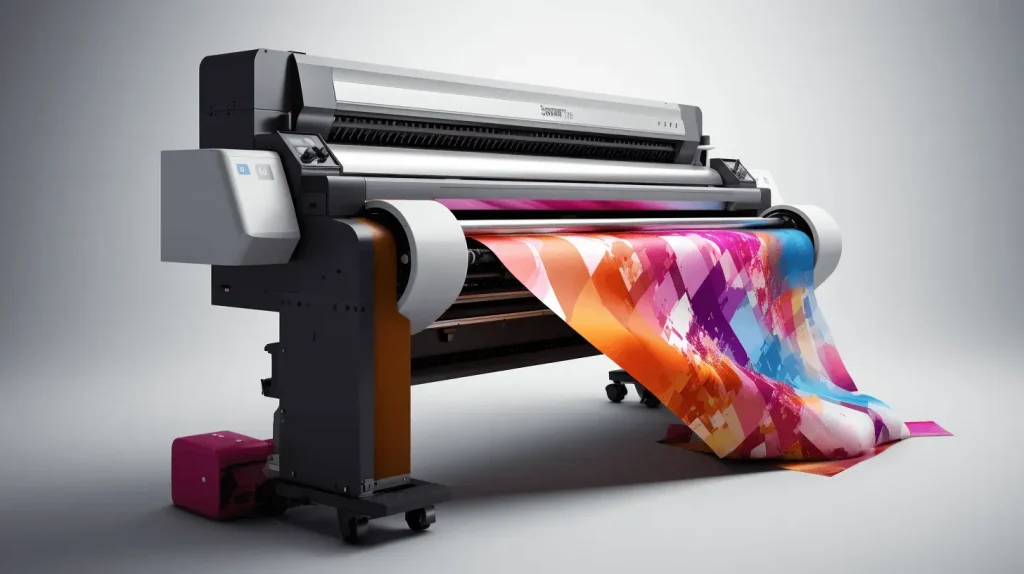
DTF printing, or Direct-to-Film printing, has rapidly transformed the landscape of textile printing, offering innovative solutions that cater to modern demands for customization and quality. This cutting-edge technique enables the creation of high-quality prints that are vibrant, durable, and adaptable to various fabric types, making it an ideal option for businesses looking to stand out in a crowded marketplace. As sustainability becomes increasingly important, DTF printing incorporates eco-friendly practices, utilizing water-based inks that have a reduced environmental impact compared to traditional methods. With its potential to produce stunning custom prints and streamline the production process, DTF printing is leading the charge towards the future of textile printing. Join us as we explore the myriad benefits of this revolutionary printing method and its implications for the industry at large.
Direct-to-Film (DTF) printing, often referred to as film-based textile printing, is revolutionizing the way we approach custom printing in the fashion industry. This innovative process allows for the transfer of intricate designs onto various fabrics with exceptional precision, delivering high-quality results that are sure to impress. As consumer preferences shift towards personalized and sustainable products, DTF printing emerges as a reliable solution that combines efficiency with eco-consciousness. The rise of this printing technology not only enhances the quality of apparel but also meets the growing demand for sustainable practices in manufacturing. Let’s delve deeper into how this groundbreaking technique is shaping the future of customizable textile solutions.
The Evolution of Textile Printing
Textile printing has undergone significant transformations over the years, adapting to the changing demands of consumers and technological advancements. From traditional techniques like screen printing to newer methods such as Direct-to-Film (DTF) printing, the industry has embraced innovation to enhance quality, speed, and sustainability. This evolution reflects a broader trend in consumer preferences for more personalized and unique fabric designs.
As businesses aim to keep up with the rapid pace of fashion and individualization trends, they increasingly turn towards versatile solutions like DTF printing. Unlike older methods that cater to limited fabric types, DTF enables printing on a variety of materials, opening up new avenues for creativity and product diversity.
Understanding Direct-to-Film Printing
Direct-to-Film (DTF) printing is revolutionizing the textile landscape by allowing designers to print intricate images on a special film that is then transferred to fabric using heat and pressure. This method not only ensures remarkable color vibrancy and detail but also enhances the durability of the prints. The DTF process appeals to both large-scale manufacturers and small businesses due to its simplicity and efficiency.
Furthermore, DTF printing eliminates the need for extensive preparation and setup typical of traditional methods, thus significantly reducing lead times. As a result, brands can respond quickly to market trends and fulfill custom orders faster, making DTF a preferred choice for many in the textile printing industry.
Versatility in Fabric Applications with DTF Printing
Versatility in Fabric Applications with DTF Printing
One of the defining advantages of DTF printing is its ability to work across a diverse range of materials. Whether printed on cotton, polyester, or blended fabrics, DTF technology proves adaptable, allowing brands to create high-quality prints suitable for various applications. This versatility makes DTF an ideal solution for fashion designers, home decor products, and promotional items alike.
This adaptability not only satisfies the creative needs of designers but also opens up new market opportunities for businesses. With the capacity to handle both lightweight and heavier fabrics, DTF printing is a game-changer for companies looking to expand their product offerings while maintaining high standards of print quality.
High-Quality Output Significant in Textile Printing
Quality is paramount in textile printing, and DTF stands out for delivering vibrant, high-resolution designs that retain their brilliance after multiple washes. The advanced technology used in DTF printing ensures that colors remain consistently vivid, and details are finely rendered, providing an edge in competitive markets. Businesses gain confidence in offering products that look great and stand the test of time.
Moreover, as consumers increasingly demand better quality from their apparel and home textiles, DTF printing aligns well with these expectations. The long-lasting nature of the prints not only meets customer satisfaction but also fosters brand loyalty, encouraging repeat purchases and referrals.
Cost-Efficiency of DTF Printing
In today’s market, cost efficiency is a critical factor for many businesses, particularly when it comes to producing customized products. DTF printing shines in this aspect by significantly lowering production costs, especially for smaller runs and personalized items. Traditional printing methods often involve high setup costs, which can deter small businesses from offering customized designs.
With DTF, the reduction of initial investment and wastage allows companies to experiment with new designs without the financial burden associated with other printing methods. This cost-effective solution empowers businesses to adapt quickly to consumer trends and provide more options without compromising on quality.
The Eco-Friendly Approach of DTF Printing
As awareness of sustainability grows among consumers and businesses alike, DTF printing positions itself as a more environmentally friendly alternative to traditional methods. Many DTF inks are water-based, which drastically reduces the environmental impact typically associated with solvent-based inks. This eco-conscious approach meets the demands of a market that increasingly prioritizes sustainable practices.
By adopting DTF printing, businesses not only invest in their brands but also contribute to a more sustainable future. As younger generations place a higher value on environmental responsibility, companies that prioritize eco-friendly printing methods can build a positive brand image and attract a loyal customer base.
Customization and Personalization in DTF Printing
Customized products are more than a trend; they represent a significant shift in consumer expectations. DTF printing excels at producing personalized items, catering to the growing consumer desire for unique and tailor-made products. Brands can utilize DTF technology to meet these needs by offering customizable apparel, home textiles, and promotional items.
This capability not only enhances customer satisfaction but also drives brand loyalty as consumers feel a deeper connection to products that reflect their individual styles. With DTF printing, businesses can tap into this consumer trend effectively, facilitating the production of one-of-a-kind designs effortlessly.
Frequently Asked Questions
What are the key benefits of DTF printing in textile printing?
DTF printing offers numerous advantages in textile printing, including high-quality, vibrant designs that are durable and long-lasting. It’s versatile, working on various materials like cotton and polyester, and is more cost-effective than traditional methods for short runs and custom printing. Additionally, DTF is a simpler process that enhances efficiency and aligns with sustainable printing practices due to the use of eco-friendly inks.
How does DTF printing compare to traditional textile printing methods?
Compared to traditional methods like screen printing, DTF printing is often more economical, especially for short runs. It eliminates the need for multiple setups and screens, reducing production costs. Additionally, DTF provides superior print quality with excellent color retention and durability, making it a competitive choice for custom printing.
Is DTF printing suitable for all types of fabrics?
Yes, DTF printing is highly versatile and compatible with a wide range of fabrics, including cotton, polyester, and their blends. This flexibility allows businesses to use DTF for various applications, from creating stylish apparel to high-quality home textiles.
What makes DTF printing an eco-friendly option?
DTF printing is considered a sustainable printing method because many of its inks are water-based, significantly reducing the environmental impact compared to traditional solvent-based inks. This aligns with the growing demand for eco-friendly practices in manufacturing and textile production.
Can DTF printing meet the demand for custom and personalized products?
Absolutely! DTF printing excels in creating customized and personalized items, catering to the increasing consumer preference for unique products. This capability helps brands enhance customer satisfaction and loyalty by offering tailor-made solutions.
What recent advances are shaping the future of DTF printing?
Recent technological advancements in DTF printing have improved printing speeds and efficiency, making this method more accessible to small businesses and startups. Additionally, the market for DTF printing is growing rapidly, driven by rising demand in e-commerce and fashion sectors, emphasizing the relevance of this printing technique in the modern textile industry.
| Key Point | Description |
|---|---|
| Versatility and Material Compatibility | DTF printing works on a variety of fabrics, including cotton, polyester, and blends, making it suitable for diverse applications. |
| High-Quality Prints | Provides vibrant, high-resolution designs that are durable and maintain quality even after multiple washes. |
| Cost-Effective Solution | More economical than traditional methods for short runs and personalized items, minimizing production costs. |
| Simplified Process | The straightforward printing process reduces production times and simplifies inventory management. |
| Environmental Impact | Many DTF inks are water-based, contributing to lower environmental impact compared to solvent-based inks. |
| Customization and Personalization | Facilitates the production of tailored products, meeting rising consumer demand for uniqueness. |
Summary
DTF printing is revolutionizing the textile printing industry and is poised to shape its future. This innovative method combines versatility, high-quality outputs, cost-effectiveness, and a strong commitment to environmental sustainability. With its ability to adapt to various materials, produce vibrant designs that last, and support the growing trend of personalization, DTF printing meets the diverse needs of modern consumers and businesses alike. As the technology continues to advance and its market expands, DTF printing will undoubtedly play a critical role in the evolution of textile printing, enabling brands to thrive in a competitive landscape.