DTF printing, or Direct to Film printing, is rapidly changing the landscape of the apparel industry by offering innovative solutions for sustainable customization. This cutting-edge technology allows for eco-friendly printing methods that not only reduce waste but also empower brands to meet the growing consumer demand for individuality in clothing. As eco-consciousness rises among shoppers, DTF printing stands at the forefront, combining efficiency and customization technology to create vibrant, durable designs while minimizing environmental impact. With the ability to produce custom apparel designs quickly and cost-effectively, this method is becoming a game changer for businesses striving to keep up with apparel industry trends. As we delve into the features and benefits of DTF printing, we’ll uncover how this approach is shaping a more sustainable future for fashion.
Known as Direct to Film printing, this innovative printing technology is paving the way for a new era in sustainable apparel production. Often associated with customization technology, DTF utilizes a unique process that enhances the printing of intricate designs on various fabric types while promoting eco-friendly practices. This method not only caters to consumers seeking personalized apparel but also aligns with the growing trend of sustainability within the industry. By reducing resource consumption and waste, DTF serves as a pivotal solution in the ongoing quest for more responsible manufacturing methods. The future of fashion is being redefined by these advancements, allowing brands to engage more thoughtfully with their environmentally-conscious clientele.
The Rise of Sustainable Customization in the Apparel Industry
In recent years, consumers have become increasingly aware of their purchasing decisions’ impact on the environment. This shift in mindset is reshaping the apparel industry, prompting brands to adopt more sustainable practices. One of the most significant trends is the movement towards sustainable customization, which allows for the creation of unique garments that do not compromise the health of our planet. As individualism continues to drive consumer choices, brands that embrace sustainability will undoubtedly appeal to a growing sector of eco-conscious shoppers.
Sustainable customization not only benefits consumers by providing personalized options but also encourages brands to innovate in their production processes. Techniques such as Direct to Film (DTF) printing are at the forefront of this revolution, enabling brands to create customized designs with minimal waste and lower environmental impact. As sustainability becomes a key differentiator in the apparel market, companies that prioritize eco-friendly production methods will likely see stronger customer loyalty and engagement.
Exploring DTF Technologies: A Game Changer for Eco-Friendly Apparel
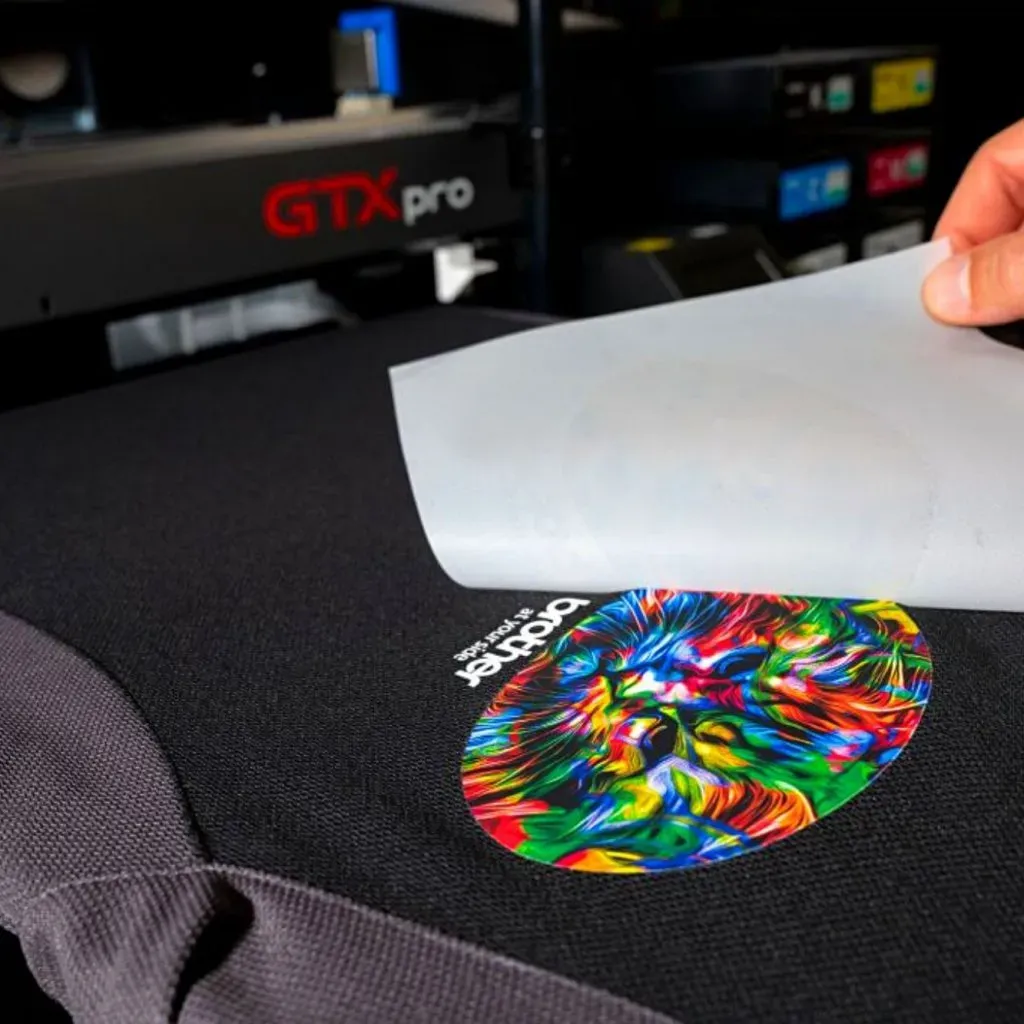
DTF technology is rapidly emerging as a game changer in the quest for eco-friendly printing solutions in the apparel industry. The process involves printing designs onto a special film and then using heat to transfer those designs directly onto fabrics. This method drastically reduces the environmental footprint of traditional textile printing, utilizing significantly less water and energy. As a result, apparel manufacturers can align their operations with sustainable practices while still offering high-quality, customized products that cater to modern consumer needs.
Moreover, DTF technology opens the door to innovative design possibilities that were previously unattainable. Thanks to advancements in ink formulations and printing techniques, brands are now able to produce vivid graphics and intricate patterns that stand out in a saturated market. This level of creativity not only enhances product appeal but also supports sustainability by allowing for on-demand production, which minimizes waste due to overstocking and promotes a more responsible approach to fashion.
The Environmental Benefits of DTF Printing Compared to Traditional Methods
When examining the impact of DTF printing in comparison to traditional methods, it’s clear that significant environmental benefits accompany this innovative approach. Traditional screen printing, for example, often involves extensive water consumption and harsh chemicals, which can harm both ecosystems and communities. In contrast, DTF printing uses a fraction of the water—up to 90% less—making it a far more eco-friendly option for apparel production. This notable reduction is crucial in the face of global water scarcity and highlights the importance of adopting sustainable practices within the industry.
Furthermore, DTF printing minimizes waste through its direct application to fabric. This technology allows for short print runs and on-demand orders, aligning perfectly with the growing trend of customization demands from consumers. By facilitating the production of niche designs without the fear of unsold inventory, brands can cater to individual tastes while also contributing to a more sustainable fashion ecosystem.
Customization Technology and Its Role in Shaping Consumer Preferences
Customization technology has rapidly transformed how consumers interact with fashion brands. With the rise of personalized products, consumers are increasingly drawn to apparel that reflects their unique identities and values. DTF printing is at the forefront of this trend, enabling brands to offer an array of customizable options that captivate and engage customers. This shift not only fosters a sense of ownership but also empowers consumers to choose sustainable alternatives that resonate with their beliefs.
By integrating customization technology into their operations, brands can respond dynamically to changing consumer preferences, which is particularly important in today’s fast-paced retail environment. As the apparel industry continues to evolve, businesses that incorporate sustainable practices and customization will likely thrive, building stronger connections with their audience and standing out in a competitive landscape.
Industry Trends: How DTF is Influencing Apparel Production Cycles
The apparel industry is witnessing unprecedented shifts influenced by innovations like DTF printing. Trends indicate that brands are increasingly adopting this technology to streamline their production cycles, drastically reducing lead times. With DTF printing, brands can respond quickly to market trends and customer demands, producing small batches and customized pieces that align with just-in-time merchandising strategies. This flexibility empowers brands to remain competitive in a landscape where the consumer desires unique and timely offerings without the environmental consequences of bulk production.
As brands shift toward more sustainable practices, DTF technology allows them to meet production demands without compromising on eco-friendly values. This approach not only minimizes the environmental impact through reduced resource usage but also promotes a circular economy by focusing on sustainable production standards. In aligning production cycles with consumer expectations, brands leveraging DTF technology position themselves at the forefront of industry trends, catering to both adaptability and sustainability.
Challenges in Implementing DTF Printing in Sustainable Fashion
While DTF printing presents numerous advantages for sustainable fashion, the transition to this technology is not without its challenges. One significant hurdle many brands face is the investment in necessary training and equipment. Staff must become proficient in using high-quality DTF printers and interpreting design files effectively to ensure high-quality outputs. Additionally, there is a wide range of printer quality on the market, and making informed choices about investments is crucial for brands aiming to maximize their sustainability efforts.
Furthermore, as with any new technology, brands must also consider the long-term implications of integrating DTF printing into their operations. While initial costs may be high, the true evaluation of success will lie in understanding ROI through operational efficiency, waste reduction, and overall consumer satisfaction. Brands that embrace DTF and invest in professional development for their teams are poised to overcome these challenges and harness the full potential of sustainable customization.
Frequently Asked Questions
What is DTF printing and how does it contribute to sustainable apparel?
Direct to Film (DTF) printing is an innovative printing technique that transfers designs from a film directly onto fabric. This method significantly reduces water usage—by up to 90%—and minimizes the need for harmful chemicals compared to traditional printing methods, making it a key player in promoting sustainable apparel practices.
How does DTF printing enhance customization technology in the apparel industry?
DTF printing allows for intricate and personalized designs to be produced quickly and at a lower cost. This flexibility caters to consumer demand for uniquely customized apparel while reducing waste associated with overproduction, positioning DTF technology as a leader in apparel industry trends.
What are the advantages of eco-friendly printing methods like DTF in the apparel sector?
Eco-friendly printing methods like DTF are designed to minimize environmental impact by reducing water usage and energy consumption. DTF technology not only supports sustainable practices but also aligns with consumer preferences for environmentally conscious products, contributing to the overall trend of sustainability in the apparel industry.
Can small businesses leverage DTF technology for customized apparel?
Absolutely! DTF printing technology is ideal for small businesses and startups in the apparel industry, allowing them to create on-demand, customized products without the high costs and waste associated with traditional printing methods. This capability enables them to stand out in a competitive market by responding directly to consumer trends.
What are some recent trends associated with DTF printing in sustainable apparel?
Recent trends in sustainable apparel encompass the adoption of DTF printing technology alongside improvements in ink formulations and production speeds. Brands are increasingly utilizing DTF to create eco-friendly, customized garments that resonate with environmentally-conscious consumers, thus reshaping the apparel industry landscape.
What challenges do brands face when transitioning to DTF printing technology?
Brands transitioning to DTF printing may encounter challenges such as the initial investment costs and the need for staff training on new equipment. Additionally, it is crucial for companies to select high-quality DTF printers to ensure they meet sustainability targets while maintaining production efficiency.
| Key Point | Description |
|---|---|
| DTF Printing Technology | A method that prints designs on film and transfers them to fabric, offering efficiency and sustainability. |
| Environmental Impact | Reduces water usage by up to 90% compared to traditional methods, addressing resource overconsumption. |
| Customization | Enables intricate and personalized designs with minimized setup costs, appealing to modern consumers. |
| Market Growth | DTF printing is growing rapidly as brands prioritize efficiency and eco-friendly processes, especially among younger consumers. |
| Real-World Applications | Leading brands use DTF technology for customized, sustainable apparel, enhancing consumer engagement. |
| Challenges | Brands must invest in training and equipment to successfully transition to DTF printing. |
Summary
DTF printing technology is transforming the apparel industry by driving sustainable customization. This innovative approach significantly minimizes resource consumption while enhancing the capacity for personalized designs. As brands increasingly adopt DTF printing, they not only meet the rising consumer demand for eco-friendly products but also position themselves advantageously in a competitive market. With ongoing advancements in the technology and a growing focus on sustainability, DTF printing is set to become a cornerstone of the future of fashion.