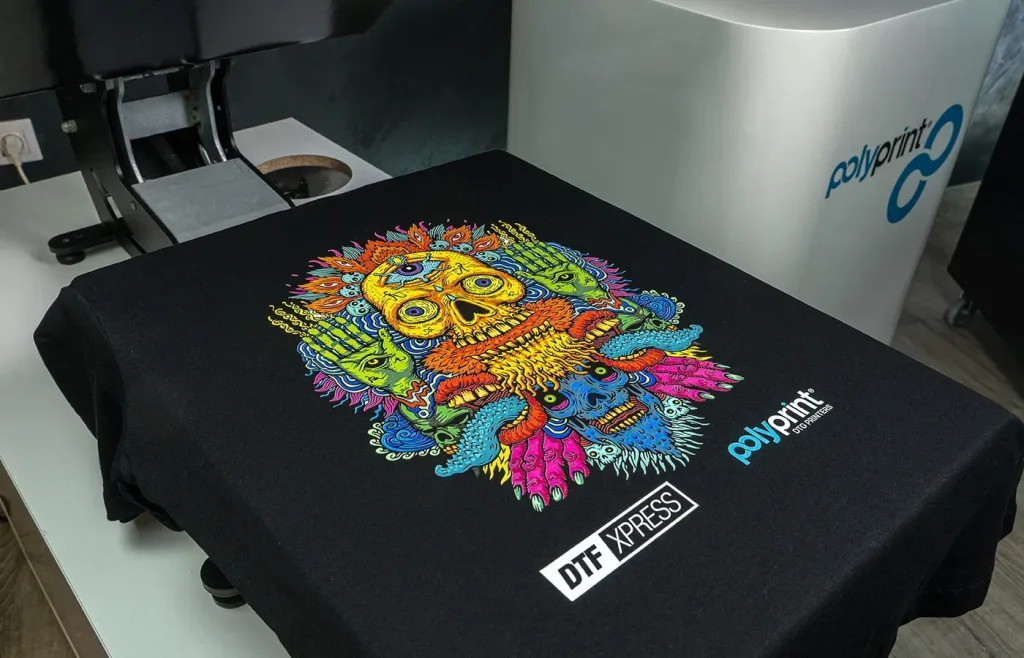
In the ever-evolving world of custom printing, DTF printing, or Direct-to-Film printing, has rapidly emerged as a favorite for businesses seeking efficient and high-quality solutions. This innovative technique allows for vibrant designs to be transferred onto fabrics with exceptional precision, making it an exciting process for apparel printing enthusiasts. Unlike traditional methods, DTF printing stands out with its ability to work on untreated fabrics, which significantly reduces production costs without compromising print quality. Additionally, DTF offers a more sustainable printing alternative, generating less waste compared to conventional techniques. The combination of versatility and economic advantage makes DTF printing a game-changer in the custom printing landscape, capturing the attention of both producers and consumers alike.
Often referred to as Direct-to-Film technology, DTF printing represents a groundbreaking approach to fabric customization that is reshaping the apparel market. This method involves expertly transferring intricate designs onto textiles using a specialized film, which maintains the highest standards of image resolution and color vibrancy. By eliminating the requirement for fabric pre-treatment, businesses can streamline their processes, enhancing operational efficiency. Moreover, this approach is increasingly recognized for its sustainability benefits, as it minimizes waste and resource consumption compared to traditional printing techniques. With its significant advantages, Direct-to-Film has become synonymous with modern customization, meeting the demands of today’s eco-conscious consumers.
The Rise of DTF Printing in Custom Apparel
DTF printing, or Direct-to-Film, has rapidly emerged as a game-changer in the custom printing landscape, especially in the realm of apparel. Unlike traditional methods, DTF allows for vibrant, high-quality prints on various fabric types without the need for pretreatment. This has made it increasingly popular among custom apparel brands looking to enhance their product offerings while reducing operational costs. The technique’s ability to produce detailed graphics and vibrant colors on t-shirts, hoodies, and other garments means businesses can cater to diverse consumer preferences, enhancing customer satisfaction and loyalty.
The advantages of DTF printing extend beyond just print quality; the method also supports a broader spectrum of fabric compatibility. This is pivotal for brands that aim to diversify their product lines or experiment with different designs. For example, while screen printing may fall short on complex designs, DTF printing excels, providing businesses with the flexibility to respond rapidly to fashion trends, ensuring they remain competitive in the ever-evolving custom clothing market.
Understanding the Economic Advantages of DTF Printing
One of the leading reasons businesses are gravitating towards DTF printing is its economic efficiency. Compared to other printing techniques like DTG and screen printing, DTF does not require extensive setup or labor, which results in lower production costs. For startups and small enterprises, these savings can be paramount—allowing them to invest more in marketing or product development while still delivering high-quality custom prints. The simplicity in executing smaller print runs without compromising profit margins also makes DTF an enticing option for businesses focused on custom, personalized apparel.
Economic models now reflect a shift where quality does not have to be sacrificed for affordability. With fewer overhead costs associated with equipment and materials, businesses can offer more competitive prices. As more brands adopt DTF, the scalability of this method will likely further diminish costs, positioning it as an ideal solution for both high-volume runs and niche markets catering to specific consumer demands.
Sustainability: A Driving Force Behind DTF Adoption
Sustainability has become a pivotal concern for consumers and businesses alike. DTF printing stands out in this realm by minimizing waste and reducing chemical usage compared to traditional printing methods. Eco-conscious brands can leverage the environmentally friendly aspects of DTF to enhance their appeal to consumers who prioritize sustainable practices. This alignment between company values and consumer expectations is proving crucial in driving customer loyalty and brand reputation.
Moreover, as the custom printing industry moves toward more sustainable practices, companies employing DTF printing find themselves not only taking advantage of reduced environmental impact but also gaining a competitive edge in the marketplace. By opting for an eco-friendlier solution, brands can attract consumers who are increasingly looking for products that align with their environmental values, ensuring long-term sustainability in the custom apparel sector.
The Versatility of DTF Printing Across Material Types
DTF printing’s versatility is one of its most compelling features, allowing for high-quality designs on both soft and hard surfaces. This adaptability means that brands can produce customized graphics not only on apparel like t-shirts and hoodies but also on various items such as bags, caps, and even home textiles. The capability to print intricate designs without compromising fabric integrity enables businesses to cater to a wide-ranging clientele, from fashion labels seeking unique prints to promotional product companies.
Additionally, the ease with which DTF can incorporate various materials and textures into its design process expands possibilities for manufacturers and clients alike. This flexibility encourages innovative design opportunities, giving graphic artists the freedom to experiment with colors and styles that could not be easily achieved with traditional printing methods. Consequently, businesses that adopt DTF printing can explore new revenue streams and product lines that leverage this adaptability.
Enhancing Print Quality with DTF Technology
When it comes to print quality, DTF printing has altered the landscape, providing businesses with the ability to achieve stunning, high-resolution outputs. The advanced technology used in DTF ensures that even the most intricate details and color gradients are applied flawlessly, resulting in prints that stand out. This aspect is particularly crucial for brands aiming to create eye-catching apparel that can capture consumer interest, especially in a highly visual market.
The ink formulations utilized in DTF are designed for enhanced durability and vibrancy, outperforming many traditional printing methods in terms of longevity and visual appeal. Companies can confidently market their products as having superior print quality, which is a vital attribute for customers who seek lasting impressions. As the custom printing industry shifts towards quality over quantity, DTF’s reputation for excellence solidifies its importance in the market.
Future Trends in Custom Printing and DTF Technology
As we look toward the future of custom printing, DTF technology is expected to be at the forefront of innovation. The rapid evolution of printing technologies, coupled with increasing consumer demands for personalized products, suggests that DTF will continue to grow in prominence. As advancements in DTF processes emerge, businesses will be able to achieve even greater efficiency and quality, enabling them to fulfill consumer expectations more effectively.
Additionally, the continuous integration of digital technology within the printing industry paves the way for more sophisticated design options and faster production times. This not only enhances the overall workflow for businesses but also allows for greater experimentation with designs and prints. As brands increasingly adopt these innovative practices, they will only strengthen DTF printing’s position as a leading method in the custom printing landscape.
Frequently Asked Questions
What is DTF printing and how does it work?
DTF printing, or Direct-to-Film printing, is a method where designs are first printed on a special film and then transferred to fabrics. This technique does not require the fabrics to be pre-treated, allowing for a wider array of material compatibility, which makes it an efficient choice for custom printing.
Why is DTF printing gaining popularity in custom printing?
DTF printing is gaining traction due to its cost-effectiveness, versatility, and high print quality. It allows businesses to create vibrant and intricate designs on various fabrics efficiently, thus appealing to the growing demand for personalized apparel printing.
How does DTF printing compare to traditional methods like DTG and screen printing?
Compared to Direct-to-Garment (DTG) and screen printing, DTF printing offers reduced setup costs and faster production times. Unlike DTG, it eliminates the need for fabric pre-treatment, enhancing print quality while maintaining cost efficiency, thus making it an attractive option for custom printing.
What are the environmental benefits of DTF printing?
DTF printing is considered more sustainable than traditional printing methods due to its lower waste generation and reduced chemical usage. As brands shift towards eco-friendly practices, the minimal environmental impact of DTF printing makes it a preferred option in the sustainable printing landscape.
Can DTF printing be used on all fabric types?
Yes, DTF printing is highly versatile and can be used on a wide range of fabrics, including both soft garments like t-shirts and hard surfaces like bags and caps. This flexibility caters to various customer demands in the custom printing market.
What advancements are being made in DTF printing technology?
Recent advancements in DTF printing technology include improved ink formulations and printing machines that enhance performance. These developments focus on achieving lasting durability and vibrancy in prints, positioning DTF on par with other traditional printing methods.
| Key Points | Details |
|---|---|
| Introduction to DTF Printing | DTF printing is rapidly gaining traction as a cost-effective and high-quality method for custom printing. |
| Definition of DTF Printing | DTF printing transfers designs from a film to fabric and works without pre-treating, making it versatile. |
| Rapid Adoption | Rapidly embraced by businesses for its ease of use and ability to produce vibrant prints on various fabrics. |
| Economic Advantages | Lower setup costs than DTG and no complex pre-treatments, allowing for significant savings and efficiency in production. |
| Flexibility in Design | Allows for intricate designs and quick adaptation to consumer trends. |
| Environmental Considerations | DTF is more sustainable, generating less waste compared to traditional printing methods. |
| Technological Advances | Continuous improvements in DTF technology enhance durability and print quality. |
| Benefits of DTF Printing | Versatility, high-resolution prints, and efficient production, ideal for various fabrics and products. |
Summary
DTF printing is revolutionizing the custom printing industry with its innovative approach that combines cost-effectiveness and high-quality output. By leveraging Direct-to-Film technology, businesses can create stunning designs on a variety of fabric types while enjoying significant economic benefits. This method’s growing popularity is attributed to its adaptability to modern consumer demands for personalized apparel, making it a preferred choice for enterprises striving for an edge in the market. As sustainability becomes increasingly important, DTF printing stands out as an eco-friendly solution, further solidifying its position as a key player in the future of custom printing.