DTF printing, or Direct-to-Film printing, has revolutionized the graphic printing industry with its ability to produce vibrant and durable designs on fabric. This innovative method is quickly gaining traction as a preferred choice for textile manufacturers and custom printing businesses alike. However, transitioning to DTF printing is not without its challenges, as many newcomers often fall prey to common mistakes that can compromise their results. From improper artwork preparation to underestimating production costs, understanding the intricacies of DTF printing is essential for success in this competitive market. In this blog post, we’ll highlight key pitfalls to avoid, ensuring a seamless transition to this exciting technology.
Known by various names, Direct-to-Film printing represents a cutting-edge technique in the realm of textile design and production. As businesses seek efficient methods for high-quality fabric decoration, adopting DTF technology becomes a logical step forward. Yet, as firms shift their focus to this versatile printing solution, they must be cautious of typical errors that newcomers often encounter. Addressing issues such as inadequate DTF printer maintenance and improper artwork preparation can significantly improve print quality and overall satisfaction for end-users. Through a comprehensive understanding of DTF production processes, businesses can elevate their offerings and thrive in the competitive graphic printing landscape.
Understanding Material Compatibility in DTF Printing
When venturing into DTF printing, one fundamental aspect to grasp is material compatibility. DTF printing allows for vibrant, high-quality imaging on various textiles, but not all fabrics are suitable for this technology. Fabrics such as cotton or blends with polyester can yield excellent results, while pure polyester may react differently to the DTF inks. Conduct thorough testing to discover which materials will deliver the best adhesion and color retention on your desired projects. This vital step not only prevents wasted resources but also enhances the longevity and vibrancy of your prints.
Furthermore, understanding the diverse properties of various fabrics can help in choosing the right materials for your design needs. For instance, while natural fibers may absorb inks differently than synthetic ones, the right pre-treatment can significantly improve the print quality. Always refer to supplier recommendations and conduct test prints to validate compatibility before large production runs; this initial diligence can save time and money in your DTF printing process.
Frequently Asked Questions
What is DTF printing and how does it work?
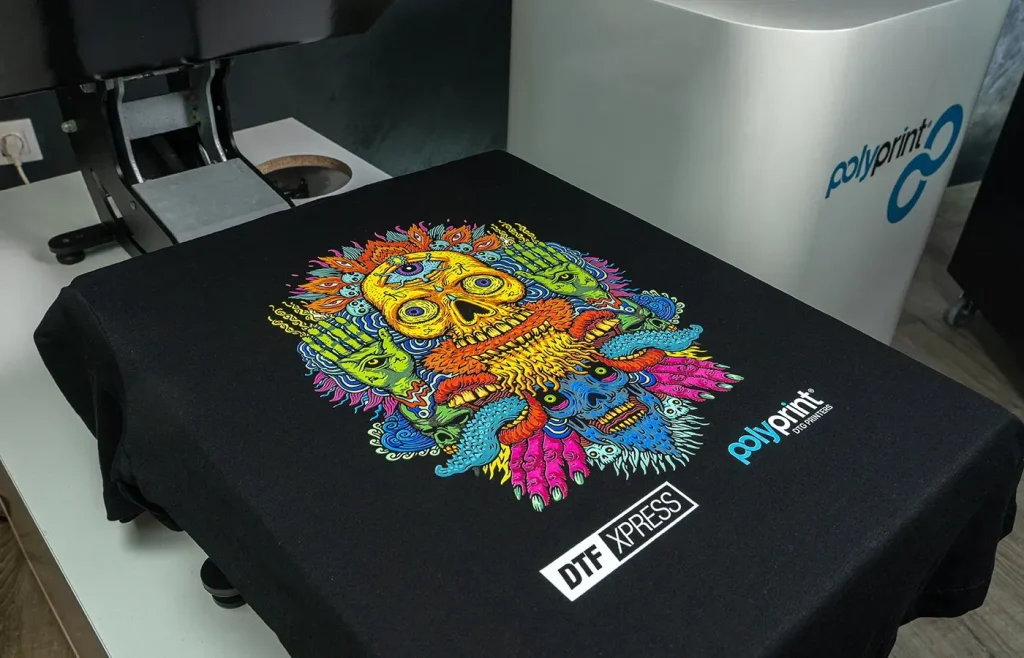
DTF printing, or Direct-to-Film printing, is a modern method of printing designs onto a film, which is then transferred to a fabric. This process involves printing an image on a special film using a DTF printer, applying a powder adhesive, curing it, and finally using a heat press to transfer the design onto the textile. This method offers vibrant colors and durability for various fabric types.
What are common DTF printing mistakes to avoid?
Common mistakes in DTF printing include neglecting material compatibility, improper artwork preparation, inadequate printer maintenance, underestimating production costs, skipping proper curing methods, and ignoring market research. By addressing these issues, you can significantly improve print quality and business success.
How do I prepare artwork for DTF printing?
To prepare artwork for DTF printing, ensure it meets the printer’s specifications. This typically involves using a resolution of at least 300 DPI and preparing files in the RGB color space. Additionally, pay attention to file formats that are compatible with your DTF printer to avoid poor print quality.
What maintenance is required for DTF printers?
DTF printer maintenance is crucial for optimal performance. Regularly clean the printhead to prevent clogs, check ink consistency, and perform necessary calibration. Establishing a routine maintenance schedule can extend the life of your DTF printer and ensure consistent quality in your prints.
What are the typical production costs associated with DTF printing?
DTF production costs can vary based on materials used, including inks, transfer films, and curing equipment. When transitioning to DTF printing, it’s important to account for all these expenses to create a realistic budget, as overlooking them could lead to financial strain.
How important is curing in the DTF printing process?
Curing is a critical step in DTF printing that ensures the prints adhere properly and are durable. Skipping or improperly executing the curing process can lead to prints that peel or fade easily. Always follow manufacturer-recommended curing techniques to achieve the best results.
| Common Mistakes to Avoid When Switching to DTF Printing | |
|---|---|
| Mistake | Explanation |
| Understanding Material Compatibility | Not all fabrics are suitable for DTF printing. Testing different materials is crucial to ensure quality and adhesion. |
| Improper Artwork Preparation | Artwork must meet certain specifications such as DPI and color space to avoid poor print quality. |
| Neglecting Printer Maintenance | Routine maintenance is necessary to prevent clogs and ensure consistent print quality. |
| Underestimating Production Costs | All costs including inks, films, and equipment must be accounted for to avoid budget overruns. |
| Inadequate Curing Methods | Proper curing is essential for durability and adherence of prints. |
| Ignoring Market Research | Understanding market trends and customer preferences is vital for successful product offerings. |
Summary
DTF printing is a revolutionary technique in graphic printing that provides vibrant and durable images, making it a preferred choice among textile manufacturers. However, transitioning to DTF printing requires careful consideration of several factors to avoid common pitfalls. Identifying suitable materials, ensuring artwork is correctly prepared, maintaining printers, accurately budgeting production costs, properly curing prints, and conducting thorough market research are vital to making the switch seamlessly. By being aware of these mistakes and implementing the right strategies, businesses can enjoy all the advantages that DTF printing has to offer, leading to higher quality outputs and increased customer satisfaction.