The cost of DTF printing has become a crucial consideration for many businesses looking to dive into custom apparel and merchandise creation. As the demand for high-quality prints continues to rise, understanding the financial aspects is vital for decision-makers in the industry. This article will provide a comprehensive analysis of DTF printing cost, examining factors like equipment investment and operational expenses, ensuring potential users can assess whether they should invest in DTF printing. We will also explore the significant benefits associated with DTF technology, alongside its promising market growth. By evaluating the cost efficiency of DTF printing, you can make informed decisions that align with your business goals.
Direct-to-Film (DTF) printing, a cutting-edge method gaining traction in the printing world, offers a unique approach to customizing textiles and other materials. This technique employs specialized film to transfer designs, making it ideal for vibrant, detailed images on a range of surfaces. As many entrepreneurs and established businesses explore this technology, they often contemplate the overall expenses tied to DTF printing. Detailed cost analysis is essential for evaluating its feasibility compared to traditional printing methods. With the growing potential of the DTF printing market, grasping its financial implications is crucial for success.
The Investment Breakdown: Understanding DTF Printing Costs
Before venturing into the world of Direct-to-Film (DTF) printing, it’s vital to understand the financial commitment involved. Initial costs can range from purchasing the printer to necessary materials such as inks, films, and adhesives. For instance, newer models like the LOKLiK iPrinter reduce overhead by bundling essential supplies at an affordable price point. Moreover, investigating financing options can provide means for new businesses to minimize upfront spending and spread costs over time, allowing for a smoother transition into the DTF market.
Beyond the equipment, recurring costs must also be factored in. Materials such as transfer films, inks, and powders will demand a consistent investment. Cost efficiency in sourcing these materials—from relying on local suppliers to purchasing in bulk—can significantly impact profit margins. Understanding these financial elements helps potential investors assess whether they can achieve a lucrative return from their operations and guide necessary adjustments to their business model.
Cost Efficiency of DTF Printing: Maximizing Returns
One of the standout aspects of DTF printing is its cost efficiency. Businesses can optimize their production processes to ensure that they minimize waste and maximize profit margins. Techniques such as using gang sheets allow for multiple designs to be printed simultaneously, effectively reducing material costs. This method not only makes better use of supplies but also accelerates production time, allowing companies to meet consumer demand more swiftly.
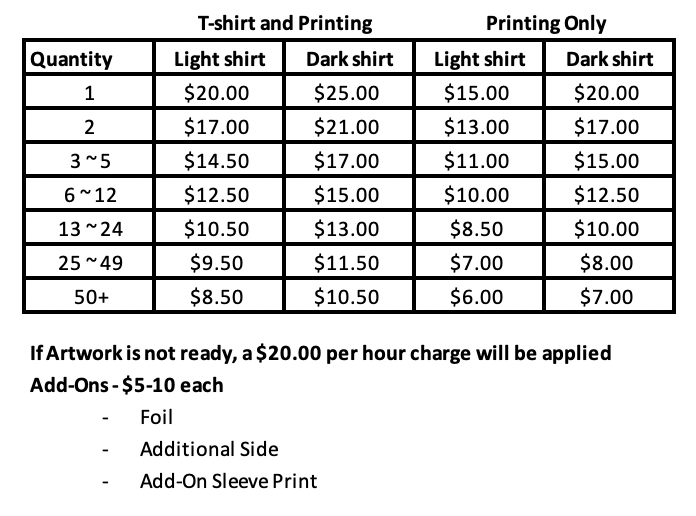
Additionally, as production scales up, the per-print cost typically decreases. This means larger print runs can lead to significant savings, making DTF printing increasingly profitable over time. By establishing a steady flow of orders, companies can benefit from economies of scale, resulting in further cost reductions and higher overall profits.
Should I Invest in DTF Printing? A Cost-Benefit Analysis
Determining the viability of investing in DTF printing requires a comprehensive cost-benefit analysis. This includes not only an examination of the initial investment and operational expenses but also an assessment of the potential market demand. As the demand for custom-designed products surges, businesses that adopt DTF technology can tap into this lucrative market.
Moreover, the superior quality produced by DTF printing enhances marketability. Compared to traditional printing methods, DTF offers vibrant colors and the capacity to print on diverse fabric types, which attracts consumers seeking unique, high-quality items. When evaluating the initial costs against possible future profits, it becomes evident that the long-term gains can far outweigh the initial financial outlay.
DTF Printing Market Growth: Trends and Projections
The DTF printing market has been experiencing steady growth, driven by advancements in technology and increasing consumer demand for personalized and high-quality products. This growth presents promising opportunities for businesses considering entry into this field. Reports suggest that as customization becomes a key consumer preference, businesses that adopt DTF technology are likely to see an uptick in customer engagement and brand loyalty.
Furthermore, staying abreast of trends within the DTF market can allow businesses to pivot and adapt in response to consumer needs, ensuring continued relevance and profitability. As competition grows, companies that embrace innovative techniques and remain agile will likely benefit the most from this expanding market.
Maximizing Profits with DTF: Operational Techniques
To make the most of DTF printing, operational techniques must be evaluated and optimized. Investments in high-quality yet cost-effective equipment, along with efficient production methods, can result in maximized output per hour without compromising quality. Crafting a streamlined workflow can enhance productivity, allowing businesses to take on more orders while maintaining high standards.
Another aspect worth exploring is the diversification of product offerings. Beyond apparel, integrating DTF printing for various merchandise—like home décor and promotional items—can further boost profitability. By catering to diverse market segments, businesses can leverage the wide-ranging capabilities of DTF technology to enhance their revenue stream.
Operational Cost-Saving Strategies in DTF Printing
Operational costs in DTF printing can be greatly reduced with efficient practices and the right strategic planning. For example, diligently monitoring inventory levels ensures that businesses avoid overstocking or stockouts, which can incur additional costs. Identifying reliable suppliers for materials can also lead to better pricing and significantly lower operational costs over time.
Employing data-driven decision-making can streamline processes, allowing businesses to identify which areas are incurring unnecessary expenses and rectify them. By constantly analyzing operational costs, businesses can make informed choices that lead to enhanced efficiency, further ensuring the profitability of their DTF printing endeavors.
Frequently Asked Questions
What is the typical cost of DTF printing equipment?
The cost of DTF printing equipment can vary significantly based on the model and capabilities. For instance, innovative printers like the LOKLiK iPrinter offer affordable entry points for beginners, often priced lower than traditional systems. Expect an initial investment ranging from a few hundred to several thousand dollars, depending on features and quality.
How can I analyze the DTF printing cost efficiency?
To analyze the cost efficiency of DTF printing, consider the total expenses including equipment, materials, and operational costs. Effective techniques such as gang sheets can optimize material usage, thereby reducing per-print costs. Additionally, as production scales up, the cost per unit generally decreases, enhancing overall efficiency.
Should I invest in DTF printing for my business?
Deciding whether to invest in DTF printing hinges on projected market demand and profitability. Given the growing market for custom apparel, DTF printing can yield high profit margins, especially for unique designs. Assessing your customer base and operational costs will help you determine if the investment aligns with your financial goals.
What are the long-term benefits of DTF printing cost analysis?
Conducting a thorough DTF printing cost analysis can reveal long-term benefits such as enhanced profit margins and efficient production processes. As technology evolves, ongoing improvements in DTF printing equipment may further reduce costs and increase product quality, ensuring your business remains competitive.
How is the DTF printing market growth impacting costs?
The growth in the DTF printing market is positively influencing costs. As more businesses adopt this technology, competitive pricing among suppliers for equipment and materials is increasing. This trend often leads to lower operational costs, enabling businesses to maintain profitability while meeting rising demand.
What are the key benefits of considering the cost of DTF printing?
Understanding the cost of DTF printing allows businesses to make informed decisions regarding investment and pricing strategies. Key benefits include identifying cost-saving opportunities, optimizing production techniques, and ultimately ensuring that investments yield satisfactory returns through a combination of cost-efficiency and quality.
| Key Point | Details |
|---|---|
| Introduction to DTF Printing | DTF printing is gaining popularity for custom apparel, raising questions around its cost-effectiveness. |
| Costs of DTF Printing Gear | Initial investment in equipment is significant; innovative printers like the LOKLiK iPrinter reduce traditional costs. |
| Operational Costs | Recurring costs include film, ink, and adhesive powders. Efficient techniques and economies of scale reduce per-print costs. |
| Market Demand and Profitability | Growing market demand for custom products increases potential profit margins, particularly with unique designs. |
| Versatility and Technology Advances | DTF printing supports a variety of fabrics and continues to evolve with technological improvements, enhancing profitability. |
Summary
The cost of DTF printing is a crucial factor for anyone considering this printing method for custom apparel. As the DTF market continues to evolve, the initial investment required for DTF printing equipment is becoming more accessible, especially with modern solutions like the LOKLiK iPrinter that combine affordability and quality. Ongoing operational costs can be managed effectively through smart production techniques and purchasing decisions, contributing to lower per-print expenses. Moreover, the rising demand for custom merchandise further elevates potential profits, particularly for unique designs. Overall, understanding the cost of DTF printing not only aids in making informed decisions but also ensures that businesses can capitalize on the evolving landscape of custom apparel printing.