
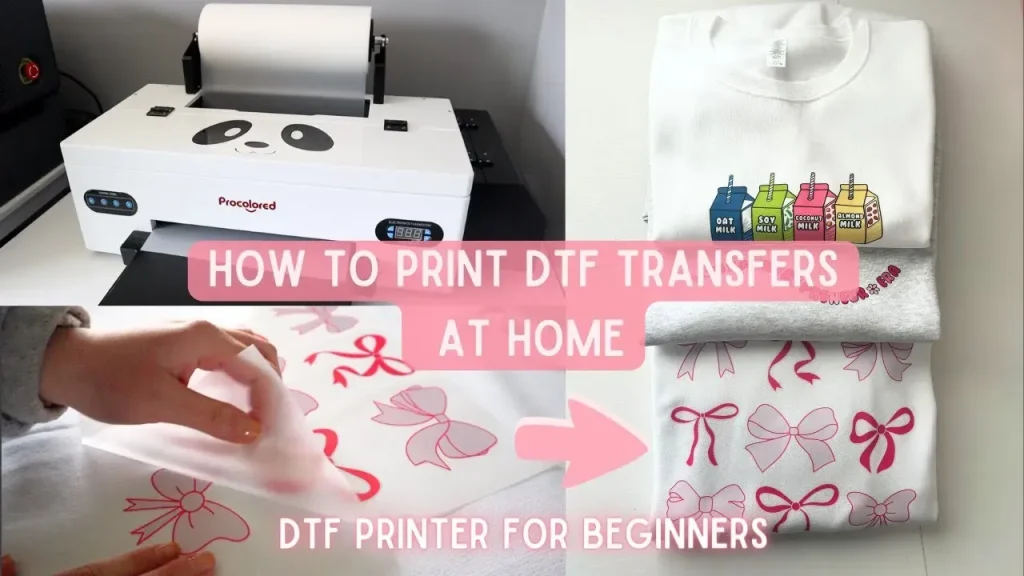
DTF printing at home makes high-quality custom apparel accessible to hobbyists and small businesses alike. With the right setup, you can enjoy vibrant, durable transfers without ordering large runs. Start with a proper DTF printer setup and compatible DTF inks to ensure color accuracy and wash-fast results. Invest in a reliable heat press and learn basic DTF heat transfer safety to keep your workspace safe. This guide walks you through the essential tools, a practical workflow, and troubleshooting tips to help you begin confidently.
A home-based DTF workflow can be seen through the lens of direct-to-film customization, where printers, powders, and presses combine to forge durable transfers. Think of it as a small-batch studio setup that balances color fidelity with practical safety and clean, organized space. The key materials—DTF films, adhesive powder, and a properly regulated heat press—determine transfer quality as much as ink choice. When you pick a heat press, look for consistency, an adjustable pressure range, and the features that make it the best heat press for DTF, such as even heat distribution and reliable timing.
DTF Printing at Home: A Practical Starter Guide
DTF printing at home has exploded in popularity among crafters, small brands, and DIY apparel fans who want bold transfers without large production runs. The appeal is clear: vibrant colors, good durability, and the flexibility to iterate designs. However, success at home hinges on a thoughtful setup, reliable tools, and a steadfast focus on safety.
This starter guide will walk you through assembling a core DTF toolkit, configuring a dedicated workspace, and following a practical workflow from design to finished transfer to achieve consistent results. You’ll learn about essential tools, workspace best practices, color management, powdering and curing steps, and practical troubleshooting so you can produce high-quality transfers with confidence.
Choosing DTF Inks and DTF Films for Vibrant Transfers
DTF inks deliver vibrant color, fast drying, and compatibility with the adhesive powder that creates a strong transfer. When selecting inks, prioritize color stability, wash-fastness, and compatibility with your printer model to ensure consistent results across light and dark fabrics.
DTF films are designed to receive printed ink and hold the adhesive powder for a clean transfer. Look for films with uniform coatings, good ink receptivity, and compatibility with your chosen powders and printer setup to minimize shedding and misfeeds during the transfer process.
Setting Up Your Home Workspace: Ventilation, Safety, and Organization
A dedicated workspace with proper ventilation reduces exposure to fine powders and fumes from solvents used in the DTF workflow. Plan distinct zones for printing, film handling, and finishing to minimize dust and cross-contamination, and keep tools organized within easy reach.
Prioritize safety in your layout: ensure stable power, comfortable lighting, and clear access to fire-safe surfaces. Use protective gear as needed, keep powders contained, and implement clean-dust routines to maintain a safe environment for long sessions.
DTF Printer Setup Essentials for Consistent Results
DTF printer setup starts with choosing a printer compatible with pigment inks designed for DTF use and configuring the correct drivers and ink paths. Establish a reliable workflow for white printing on dark fabrics and maintain clean print heads and ink cartridges to prevent clogs.
Color management is key. Use design software and ICC profiles to reproduce colors accurately across fabrics, and regularly calibrate your monitor against printed swatches. A well-documented printer setup helps reproduce consistent results batch after batch.
Mastering the Transfer Process: Powdering, Curing, and the Best Heat Press for DTF
After printing, the film must be coated evenly with adhesive powder and then cured to fix the powder before transfer. A consistent powder layer ensures consistent adhesion and reduces the chance of curling or misalignment during pressing.
The transfer itself is where the rubber meets the road. Choose a heat press with stable temperature control, uniform pressure, and a suitable bed size. The best heat press for DTF should provide precise time and temperature settings, safety features, and comfortable, repeatable operation to handle varied fabrics with confidence.
Troubleshooting, Maintenance, and Long-Term Quality Control for DTF at Home
Even seasoned hobbyists encounter challenges like color shifts, misalignment, or weak adhesion. Troubleshooting starts with reviewing your color management, ensuring proper powder curing, and confirming consistent pressing conditions. Recalibrate your profiles and test on representative fabrics to diagnose issues quickly.
Ongoing maintenance and quality control are essential for long-term success. Regularly clean printer paths and film handling areas, inspect the heat press for wear, and keep a log of settings for different fabrics and designs. Maintain good safety practices and stay mindful of DTF heat transfer safety during every step of the workflow.
Frequently Asked Questions
What is DTF printing at home and what is the basic DTF printer setup I should start with?
DTF printing at home lets you create vibrant garment transfers by printing on DTF film, applying adhesive powder, curing, and pressing onto fabric. A starter DTF printer setup includes a printer compatible with DTF inks (with white printing capability), DTF transfer film, an adhesive powder shaker, a curing method (such as a small conveyor dryer or heat cabinet), and a reliable heat press. Set up in a clean, ventilated workspace to support consistent results.
How should I evaluate my DTF printer setup to optimize color and adhesion when working with DTF inks and films?
Choose a DTF printer setup that supports accurate CMYK color management and white ink printing, and is compatible with your DTF inks and DTF films. Regular print head maintenance and calibrated color profiles help produce consistent transfers; run test prints on similar fabrics to adjust.
What are essential DTF heat transfer safety practices for home projects?
DTF heat transfer safety means ensuring proper ventilation, controlling fine powders, and wearing PPE as needed. Use safety glasses, a mask if sensitive to powders, and heat-resistant gloves when handling hot equipment; keep powders away from children and pets and clean spills promptly to minimize dust.
What essential supplies do I need to start DTF printing at home?
Core supplies include DTF inks, DTF transfer film, adhesive powder, a powder shaker/applicator, a curing method, and a heat press; add garment supplies (tape and silicone sheets), and color management software. Also maintain cleaning supplies for safe, ongoing maintenance.
What features matter most when choosing the best heat press for DTF?
For DTF, look for a heat press with a stable temperature range (roughly 300–340°F), precise time control, adjustable and measurable pressure, a size that fits your transfers, and safety features like auto shut-off and secure handles. A reliable press supports consistent, high-quality DTF transfers.
How can I troubleshoot common issues in DTF printing at home, such as color shifts or adhesion problems?
Start with color management: verify ink profiles, film compatibility, and recalibrate using test swatches. For adhesion, ensure correct powder curing, even pressure, and appropriate temperature and time; confirm the film stays flat and aligned during transfer and follow garment care guidance to avoid washing issues.
| Aspect | Key Points |
|---|---|
| Overview | DTF at home is a flexible, cost-efficient method to create custom garments using printed DTF film, adhesive powder, and heat pressing. It delivers bright colors, fine detail, and is well-suited for small batches, personalized orders, and DIY projects. |
| Essential tools and supplies | DTF printer with inks, DTF transfer film, adhesive powder, powder shaker/applicator, curing method (conveyor dryer/heat cabinet/oven), heat press, garment supplies, design software and color management, cleaning supplies. |
| Practical home setup | A dedicated, well-ventilated workspace with separate printing and finishing zones, stable power, temperature/humidity control, labeled storage, and organized workflows to minimize dust and misfeeds. |
| Safe, repeatable workflow | Design and color management, printing the film, powdering, curing the powder, preparing for transfer, the press transfer, and post-press handling to ensure consistent results. |
| Heat press considerations | Reliable temperature control (roughly 300–340°F), precise time settings, adjustable pressure, appropriate press size, and safety features to ensure consistent transfers. |
| Safety and workspace | Ventilation, PPE (glasses, mask, gloves as needed), cleanliness, dust control, and child/pet safety protocols. |
| Troubleshooting | Address color shifts, incomplete transfer, white underbase on dark fabrics, and smudging by checking color management, powder curing, film alignment, and fabric care. |
| Maintenance | Regular printer cleaning, film handling area maintenance, periodic color calibration, and inspecting and replacing worn heat-press components. |
| Cost & ROI | Upfront costs for printer, inks, film, powder, and heat press; ongoing consumables and maintenance. Weigh ROI by tracking cost per transfer and optimizing workflow for small runs. |
| DTF vs alternatives | Advantages for small batches: high color fidelity and fabric flexibility. Compared to DTG and screen printing, DTF can be more cost-effective for limited runs and versatile across fabrics. |
| Best practices | Regular color calibration, correct film orientation, controlled powder application, clean environment, and keeping a detailed log of settings for repeatable results. |
Summary
Conclusion: Mastering DTF printing at home is possible with the right tools, workspace, workflow, and safety habits. By assembling a focused setup and refining your process, you can produce vibrant, durable transfers that rival professional results from the comfort of your home.