
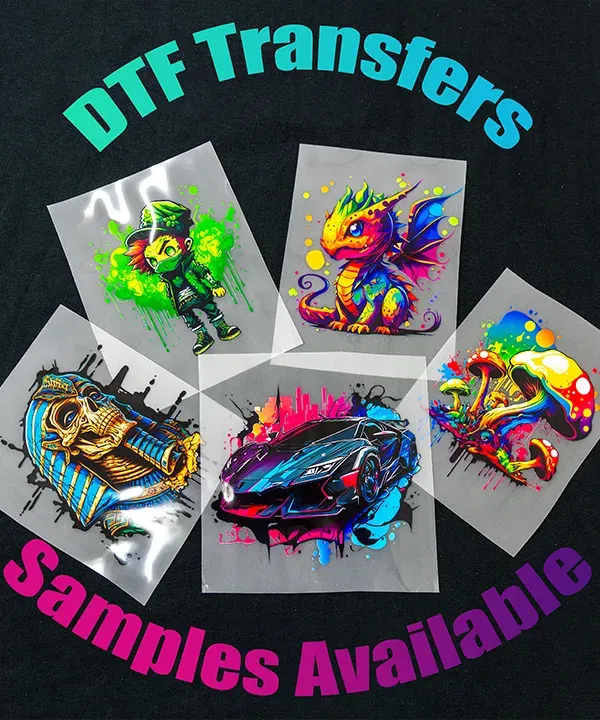
DTF transfers, or Direct-to-Film transfers, are revolutionizing the landscape of custom merchandise by offering unparalleled quality and versatility in apparel printing. This cutting-edge technology allows for vibrant, high-resolution designs to be printed directly onto film, which are then easily transferred onto various fabrics. As businesses increasingly seek to differentiate themselves through unique and personalized products, DTF transfers are proving to be an essential tool in their arsenal. Unlike traditional screen printing, DTF transfers support sustainable printing practices while minimizing waste, making them an eco-friendly choice for conscientious consumers. In this post, we will dive into the myriad benefits of DTF transfers and highlight why they are considered a game changer for the custom merch industry.
Known as Direct-to-Film printing, this innovative technique is pushing the boundaries of custom apparel creation. Utilizing advanced technology, it efficiently produces high-quality graphics that are transferred onto fabric with ease. This modern approach stands in stark contrast to older methods such as screen printing, enhancing the capabilities of businesses looking to diversify their product offerings. Moreover, DTF printing aligns with the growing trend of sustainable practices in manufacturing, addressing environmental concerns while delivering impressive results. By exploring this transformative technique, we can better understand its impact on the global market of custom merchandise.
Understanding the Benefits of DTF Transfers
DTF transfers offer several compelling benefits that make them an attractive choice for businesses in the custom merchandise industry. One of the primary advantages is the high-quality output that DTF technology provides. With a focus on delivering vibrant colors and intricate details, the prints produced using DTF methods can truly capture the essence of even the most complex designs. This aspect is especially crucial for brands that want to stand out in a crowded market where first impressions matter and visual appeal can significantly influence consumer purchasing decisions.
Moreover, DTF transfers accommodate a wide range of fabric options, enhancing their practicality compared to traditional screen printing methods. Brands can easily create custom items on various textiles, making it easier to cater to different customer demographics and preferences. This flexibility not only boosts creativity within design teams but also allows for limitless possibilities when creating promotional products, clothing lines, or personalized gifts.
The Versatility of DTF Printing
One of the standout features of DTF printing is its versatility across materials, which opens up new avenues for creativity in the custom merchandise space. Whether it’s cotton t-shirts, polyester hoodies, or even fabric tote bags, DTF transfers can adhere effectively to numerous substrates. This broad applicability allows businesses to diversify their product offerings and adapt to changing consumer tastes, enabling them to explore collaborations and various merchandising strategies.
Additionally, the ability to print on darker fabric is another advantage that sets DTF apart from traditional methods. This characteristic allows brands the freedom to create striking designs that would otherwise be limited by the colors of the fabric itself. This means that businesses can expand their range of products without being constrained by material color, appealing to customers who prefer unique and varied apparel.
DTF Transfers: Cost-Effective Solutions for Merchandising
When considering printing methods for custom merchandise, cost is often a decisive factor. DTF transfers not only provide superior printing capabilities but also offer long-term financial benefits for businesses. While the initial setup cost might seem higher compared to traditional screen printing, businesses experience a significant reduction in cost per item as production scales. This is especially valuable for small to medium enterprises that aim to grow their production without compromising on quality.
Moreover, DTF transfers reduce the need for extensive setup runs inherent in traditional screen printing, making them an economical choice for businesses that deal with fluctuating demand. This aspect is critical in today’s market where trends can change rapidly, allowing companies to cycle through seasonal lines efficiently without incurring excessive waste or unnecessary expenses.
Expedite Production with DTF Technology
In the fast-paced world of custom merchandise, the ability to meet the market demand quickly is paramount. DTF transfers significantly cut down on lead times, which is one of their most commendable advantages. With streamlined processes from printing to transfer application, businesses can now deliver products to customers much faster than with conventional methods. This agility is essential for companies aiming to launch limited edition items or react swiftly to emerging trends.
Furthermore, this rapid production capability enhances customer satisfaction, as consumers increasingly expect quicker fulfillment times. In an age where almost everything is available at the click of a button, being able to deliver on promises promptly can be a major differentiator for businesses looking to maintain loyalty and grow their customer base.
DTF Printing: User-Friendly and Accessible
Another significant advantage of DTF transfers is their user-friendly operation. Unlike some traditional printing methods that require extensive training and expertise, DTF technology is relatively easy to set up and manage. This accessibility makes it an appealing option for small businesses, startups, and independent creators who might lack resources for extensive operator training. The simpler operation also allows businesses to focus on their core competencies rather than getting bogged down by complicated equipment.
Moreover, this ease of use can facilitate rapid onboarding of new team members, allowing businesses to scale their operations without the typical learning curves associated with more complex printing technologies. As a result, operations can remain efficient and consistent, ensuring that quality is maintained across all produced items.
Sustainability in Custom Merchandise Printing
As consumer consciousness around environmental issues grows, sustainability has become a vital aspect of manufacturing and production. DTF transfers stand out in this respect, promoting sustainable printing practices that significantly reduce water consumption compared to traditional methods. The technology leverages environmentally friendly inks and processes, minimizing the harmful emissions and waste typically linked to print production.
This focus on sustainability not only positions businesses favorably with eco-conscious consumers but can also resonate with a brand’s inner values. By adopting DTF technology, companies can show their commitment to sustainability while still delivering high-quality custom merchandise, thus appealing to a broader audience and enhancing their brand image in an increasingly eco-friendly market.
Frequently Asked Questions
What are DTF transfers and how do they compare to screen printing in custom merchandise?
DTF transfers, or Direct-to-Film transfers, are a rapidly growing technology used in custom merchandise that enables high-quality printing directly onto films for transfer onto fabrics. Compared to screen printing, DTF offers superior detail, color vibrancy, and the ability to print on a broader range of materials, making it an innovative choice for apparel printing.
Why should businesses choose DTF transfers for their custom merchandise production?
Businesses should opt for DTF transfers due to their cost-effectiveness, versatility with various materials, and quick turnaround times. This method reduces production costs for high volumes and accommodates diverse fabric types, catering to evolving customer preferences in custom merchandise.
How does DTF printing ensure sustainability in custom apparel?
DTF printing supports sustainable practices in custom apparel by minimizing water usage and harmful chemicals often found in traditional printing methods. This eco-friendly approach appeals to environmentally conscious consumers, making DTF transfers a favorable option for businesses aiming to adopt greener printing solutions.
Can DTF transfers be applied to different types of fabric?
Yes, DTF transfers are highly versatile and can be applied to various types of fabric, including cotton, polyester, and blends. This flexibility allows businesses to create custom merchandise across multiple substrates, expanding their product offerings efficiently.
What advantages do DTF transfers offer over traditional methods like screen printing?
DTF transfers provide numerous advantages over traditional methods such as screen printing, including high-quality output with intricate designs, faster production times, and easier operation. This efficiency and detail make DTF the preferred choice for custom merchandise creation in today’s market.
How can businesses benefit from using DTF technology for personalized item production?
Businesses benefit from DTF technology by achieving high-quality, detailed prints on various fabrics swiftly. The ease of operation, lower costs per item as production scales, and the capability to rapidly adapt to market trends make DTF an ideal choice for producing personalized items in the custom merchandise industry.
| Key Feature | Description |
|---|---|
| High-Quality Output | Produces vibrant colors and fine details suitable for intricate designs across various fabrics. |
| Versatility of Materials | Applicable to a wide range of materials like cotton, polyester, and blends, great for products from t-shirts to tote bags. |
| Cost-Effectiveness | Long-term savings on production costs, especially beneficial for businesses producing in high volumes. |
| Short Turnaround Time | Enables rapid production to meet consumer demands and capitalize on trends without extended lead times. |
| User-Friendly Operations | Easy to operate DTF printers that require minimal training, making it accessible for small businesses and independent creators. |
| Sustainability in Printing | Supports eco-friendly printing practices by reducing water usage and harmful emissions compared to traditional methods. |
Summary
DTF transfers are a revolutionary innovation in the custom merchandise landscape, transforming how personalized items are produced. With their ability to deliver high-quality prints on a variety of materials, DTF transfers cater to diverse customer needs, making them a popular choice among businesses. Their cost-effectiveness ensures that businesses can thrive even during scaling production, while the fast turnaround time improves responsiveness to market trends. Moreover, the user-friendly nature of DTF technology democratizes access to professional-grade printing, empowering small businesses and creators alike. Importantly, DTF transfers align perfectly with the growing demand for sustainable practices, positioning brands favorably in the eyes of eco-conscious consumers. As the technology continues to evolve, DTF transfers are sure to maintain their pivotal role in the future of custom merchandising.