
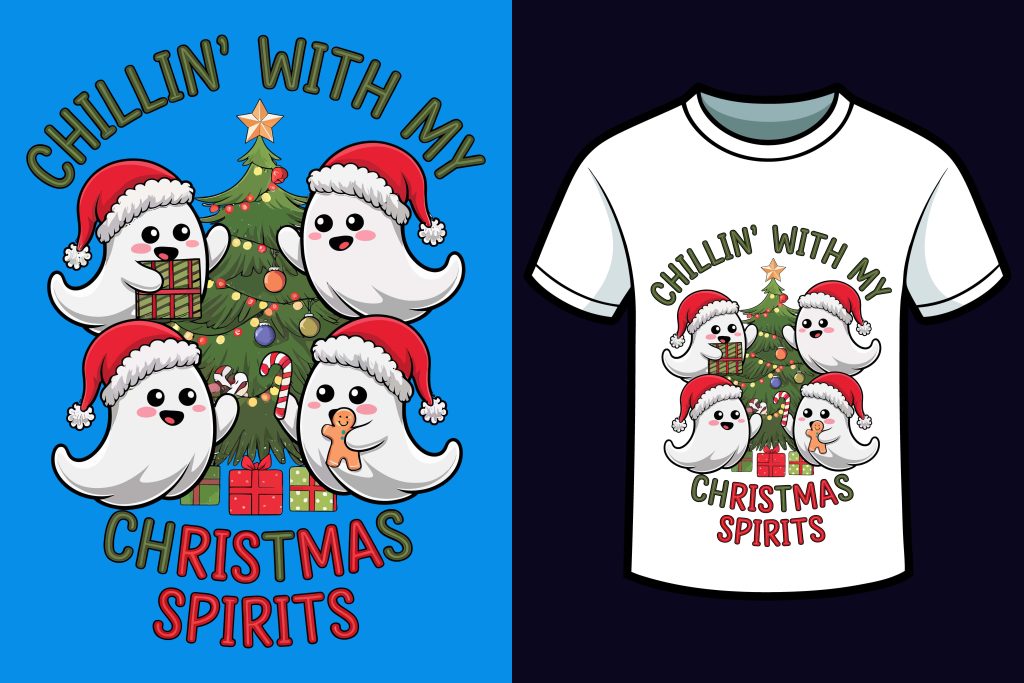
DTF Transfers are rapidly transforming the landscape of custom apparel printing, offering unprecedented clarity and vibrancy in designs on a variety of fabrics. This innovative printing technology, known as Direct to Film (DTF) printing, enables creators to produce high-quality, intricate graphics that make every piece of apparel a unique statement. With a growing emphasis on sustainable printing methods, DTF transfers utilize eco-friendly, water-based inks that significantly reduce environmental impact compared to traditional options. As the demand for personalized apparel surges, DTF printing technologies are at the forefront of this trend, providing versatility for businesses to meet diverse client needs. Join us as we explore the mechanics, advancements, and future prospects of DTF transfers in the ever-evolving world of apparel decoration.
Known as Direct to Film transfers, DTF technology is becoming an essential tool in the realm of custom clothing production. This modern approach to apparel printing involves applying designs onto a specialized film before transferring them to fabrics, creating vivid and durable prints. With its ability to adapt to various materials, including cotton and blends, DTF printing is positioned as a versatile solution amidst the rising demand for customized and unique garments. As printing innovations continue to advance, the DTF process stands out not only for its superb quality but also for its alignment with sustainable practices that appeal to environmentally conscious consumers. This article delves deeper into how DTF transfers are shaping the future of the apparel industry and revolutionizing the way brands engage with their audiences.
Understanding DTF Printing Technology
DTF printing, or Direct to Film printing, is a revolutionary approach in the world of custom apparel printing. This technology allows high-quality designs to be printed on a film that can be easily transferred onto various fabrics. Unlike conventional methods, such as screen printing, which can be limited by fabric type and design intricacy, DTF offers an unmatched level of detail and color vibrancy. By utilizing specialized inks and heat transfer techniques, DTF not only achieves vivid colors but also adheres effectively to fabrics ranging from cotton to polyester blends.
The process begins with a unique transfer film that captures the design in high resolution, followed by applying heat to bond the film to the garment. This method streamlines production and allows for quick turnarounds, making it ideal for businesses handling numerous custom orders. As companies embrace DTF printing technology, they are discovering its versatility in creating personalized apparel, thus reshaping the traditional landscape of clothing decoration.
The Benefits of DTF Transfers in Apparel Decoration
One of the standout benefits of DTF transfers is their ability to produce highly detailed and colorful designs that stand out in today’s competitive fashion market. Because DTF printing applies inks directly onto the film, it captures intricate patterns and images that resonate well with consumers seeking unique custom apparel. In contrast to older techniques, DTF ensures that every piece is produced with excellent precision, allowing for continuous customization without sacrificing quality.
Additionally, DTF printing technology is exceptionally cost-effective for small and medium-sized enterprises. The straightforward setup reduces production costs and time, enabling printing businesses to remain profitable even while catering to small orders. This cost-efficient approach opens the door to entrepreneurs exploring custom apparel decoration without the burden of high overhead, thereby promoting creativity and innovation within the industry.
Sustainability and DTF Printing Innovations
Sustainability in printing is more than just a trend; it has become a necessity in the textile industry. DTF printing technology aligns well with eco-friendly initiatives by utilizing water-based inks that are less harmful to the environment than traditional solvent-based inks. This shift not only reduces the ecological footprint of custom apparel printing but also caters to a growing market segment that prioritizes sustainability.
Moreover, innovative advancements in DTF printing processes are enhancing the overall efficiency of production while minimizing waste. Since DTF printing requires less water during the production process compared to methods like screen printing, it represents a more sustainable alternative for creating custom designs. The ongoing development of more sustainable printing methods signals a bright future for DTF transfers, positioning them as a leading choice among environmentally conscious businesses.
Meeting Consumer Demand with DTF Technology
As the demand for personalized and custom-designed apparel rises, businesses are increasingly turning to DTF printing as a reliable solution. The flexibility of DTF technology allows printers to meet the varied preferences of consumers, whether that means creating bespoke t-shirts, hoodies, or promotional items. This adaptability not only satisfies individual customer needs but also strengthens brand loyalty, as consumers gravitate toward businesses that offer personalization options.
Furthermore, integrating DTF printing capabilities allows companies to stay competitive in a fast-paced market. With the ongoing trend towards customization, brands can easily diversify their products and cater to niche markets. By utilizing DTF technology, businesses can efficiently produce high-quality, custom apparel that resonates with consumer desires while expanding their market reach.
Technological Advances Enhancing DTF Printing
The DTF printing landscape is continually evolving, driven by advancements in printing technology and software. Modern DTF printers are designed to optimize efficiency and reduce setup times, allowing businesses to respond swiftly to changing market demands. Features such as advanced precision printing enhance the quality of output, while the latest software developments enable designers to create even more complex and eye-catching designs.
These technological innovations are critical for businesses looking to thrive in a competitive environment. By adopting state-of-the-art DTF technology, printers can deliver superior products that meet the high expectations of today’s consumers, who are increasingly discerning about the quality of the apparel they purchase.
The Competitive Edge of DTF Printing in the Market
As the apparel industry becomes more saturated, having a competitive edge is essential for success. DTF printing provides a unique advantage by combining quality, versatility, and sustainability in one process. The ability to produce vibrant and detailed prints on various fabrics sets DTF apart from other printing methods, enabling businesses to attract a broader customer base.
Moreover, with the anticipated decrease in costs associated with DTF technology due to increased adoption and advancements in manufacturing, small to medium-sized businesses can leverage this solution to enhance their profitability. As prices lower, the democratization of DTF printing will empower a diverse range of retailers and designers to innovate freely, making personalized apparel more accessible to consumers worldwide.
Frequently Asked Questions
What are DTF Transfers in custom apparel printing?
DTF Transfers, or Direct to Film Transfers, represent a cutting-edge technique in custom apparel printing where designs are printed on a special film, which are then heat transferred onto various fabrics. This method allows for vibrant, high-quality prints adaptable to diverse materials, making it a favorite among apparel decorators.
How does DTF printing technology compare to traditional printing methods?
DTF printing technology stands out from traditional methods such as screen printing or DTG (Direct to Garment) by offering superior detail, vibrant color saturation, and the ability to print on a wider range of fabrics. It combines efficiency with exceptional print quality for custom apparel, thereby enhancing artistic possibilities.
What are the benefits of using sustainable printing methods like DTF?
Sustainable printing methods like DTF are advantageous as they utilize water-based inks, which are less harmful to the environment compared to traditional inks. Additionally, DTF printing generates less water waste during production, aligning with eco-friendly practices that are increasingly important in the textile industry.
Can DTF Transfers be used on all types of fabrics?
Yes, DTF Transfers can be effectively applied to a wide variety of fabrics including cotton, polyester, blended materials, and even some specialty fabrics. This versatility makes DTF printing a popular choice for custom apparel printing, accommodating diverse client needs from t-shirts to sportswear.
What innovations are driving the growth of DTF printing technology?
Recent innovations in DTF printing technology, including improved DTF inks and advanced printing equipment, have significantly enhanced print quality, durability, and efficiency. These advancements allow businesses to cater quickly to the growing market demand for custom apparel decorated with intricate designs.
How can businesses benefit from adopting DTF Transfers for their printing needs?
By adopting DTF Transfers, businesses can benefit from cost-effectiveness, as this method streamlines setup and production processes, reducing overall expenses. Furthermore, DTF technology allows for high-quality outputs and the capability to meet diverse customer demands for personalized apparel, giving businesses a competitive edge.
| Key Points | Details |
|---|---|
| What is DTF Printing? | A process where designs are printed onto a film and then transferred to fabric using heat. |
| Advantages of DTF Printing | 1. High Quality and Detail 2. Versatile Fabric Compatibility 3. Cost-Effectiveness |
| Recent Developments | 1. Technological Advancements 2. Sustainability Initiatives 3. Meeting Market Demand |
| Future of DTF Printing | 1. Expanding Market Reach 2. Increase in Competitive Pricing 3. New Design Frontiers |
Summary
DTF Transfers are redefining the landscape of custom apparel printing, blending state-of-the-art technology with traditional methods. As a versatile and cost-effective solution, DTF transfers enable businesses to produce intricate designs on various fabrics with unparalleled quality. The advancements in DTF technology not only contribute to sustainability efforts but also cater to the growing demand for personalized clothing. As we move forward, the potential for DTF transfers to shape the custom apparel market continues to expand, promising innovative opportunities for both creators and consumers alike.