
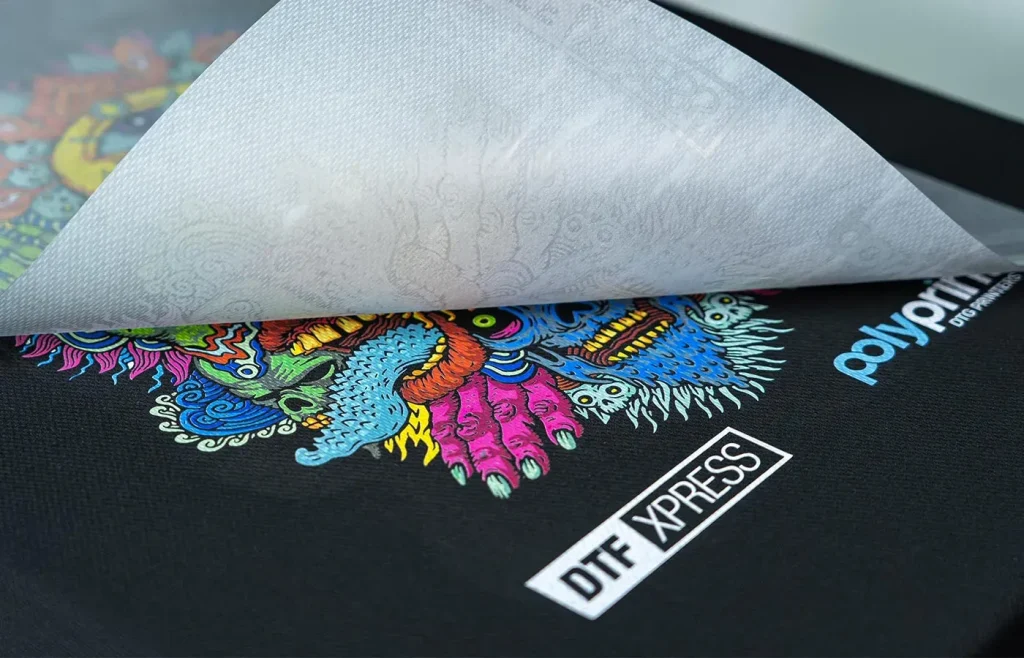
DTF printing, or Direct-to-Film printing, is revolutionizing the world of custom apparel by offering a unique combination of efficiency, versatility, and quality. This advanced printing technology allows for vibrant designs to be transferred onto a variety of textiles, making it an ideal choice for businesses looking to meet the diverse needs of their customers. Whether it’s custom t-shirt printing or creating intricate artwork on sportswear, DTF technology provides an efficient and cost-effective solution. With the rising trend towards sustainable printing, DTF printing also positions itself as an environmentally friendly alternative to traditional methods. In this article, we will explore how DTF printing enhances customization options and contributes to the evolving landscape of the custom apparel market.
Direct-to-Film printing, often abbreviated as DTF printing, is gaining traction as a preferred method for producing custom garments. This innovative approach involves transferring designs from a film directly onto fabric, making it a versatile option for a wide range of materials. As consumers increasingly demand personalized clothing, techniques like direct-to-film printing provide the perfect solution, balancing high-quality output with efficiency. Additionally, this method is recognized within the sustainable printing movement, as it minimizes waste and utilizes eco-friendly materials wherever possible. By adopting DTF technology, businesses can stay competitive while embracing the customization and sustainability trends in today’s apparel industry.
Understanding DTF Technology
Direct-to-Film (DTF) printing is an innovative process that has garnered attention for its ability to efficiently produce high-quality custom designs on various textiles. The process begins with printing a design onto a specialized transfer film using advanced inkjet technology. Once the design is printed, an adhesive powder is applied to the film, which is then heat-pressed onto the target fabric. This method allows for vibrant colors and intricate details, making it ideal for custom t-shirt printing and other apparel projects.
Unlike traditional screen printing techniques, which often require extensive setup and are limited to specific fabric types, DTF printing can be utilized across a broad spectrum of materials, including cotton, polyester, and blends. This versatility enables creators to expand their product offerings while also catering to a wider audience, from fashion enthusiasts to businesses seeking branded apparel. DTF technology has thus revolutionized the landscape of custom apparel, making it a cornerstone for companies aiming to stay competitive in today’s market.
Benefits of DTF Printing in Custom Apparel
One of the critical benefits of DTF printing lies in its cost-effectiveness. Traditional printing methods often involve significant upfront investments in equipment that can be daunting for small businesses or startups. In contrast, DTF technology requires relatively affordable machinery, allowing new players to enter the custom apparel market without excessive financial burdens. This accessibility gives budding entrepreneurs the opportunity to offer quality products and capitalize on the booming demand for personalized clothing.
Additionally, DTF printing enhances operational efficiency by enabling bulk printing on transfer films. This means that businesses can produce multiple garments with a single print run, significantly reducing lead times compared to methods like screen printing. This capability not only boosts productivity but also allows businesses to respond more flexibly to customer demands, reinforcing the appeal of DTF printing as an effective solution for custom apparel production.
Sustainability in DTF Printing
As sustainability becomes increasingly vital in the fashion industry, DTF printing has positioned itself as an environmentally friendly alternative. The process generally generates less waste than traditional printing methods, primarily due to its ability to print directly onto films rather than consuming large quantities of inks and materials. Furthermore, many manufacturers are developing eco-friendly inks that minimize the ecological impact of printing, contributing to more sustainable practices in apparel production.
By adopting DTF technology, companies can align their production methods with the growing consumer demand for sustainable fashion. This transition is not just a trend; it reflects a broader understanding of the environmental issues within the apparel industry. By reducing their ecological footprint through practices such as DTF printing, brands can effectively communicate their commitment to sustainability, attracting environmentally-conscious consumers who prioritize ethical purchasing.
Customization Options with DTF Printing
The rise of customized apparel has become a significant trend in the fashion industry, and DTF printing excels in providing diverse personalization options. With its ability to reproduce intricate graphics and a wide range of color palettes, businesses are empowered to offer customers unique creations that truly reflect their individual styles. From custom t-shirts featuring personalized messages to fashion pieces incorporating intricate designs, DTF technology meets the evolving expectations of consumers seeking one-of-a-kind apparel.
Moreover, the flexibility of DTF printing allows for rapid turnaround times on custom orders. By streamlining the printing process, businesses can cater to spontaneous demand for personalized items, making it possible to create customized apparel for special events, team sports, or individual celebrations efficiently. This capability not only enhances customer satisfaction but also opens new revenue streams for businesses, solidifying the role of DTF technology in the future of custom apparel.
Technological Innovations Driving DTF Printing
Significant technological advancements have accompanied the rise of DTF printing, enhancing print quality and production efficiency. The introduction of high-resolution printers designed specifically for DTF applications means that businesses can achieve sharp, vibrant designs that stand out in a competitive market. New features such as faster printing speeds and improved ink formulas increase productivity while reducing production costs, making DTF printing more accessible to a broader range of businesses.
These innovations not only elevate the final product’s quality but also streamline workflows, making it easier for companies to manage orders and fulfill customer demands rapidly. As equipment continues to evolve, the possibilities for what can be achieved with DTF printing expand, paving the way for more intricate designs and greater customization. This technological momentum positions DTF printing as a vital player in the transformation of custom apparel production.
Market Trends in Custom Apparel and DTF Printing
The custom apparel market is witnessing explosive growth, driven by consumers’ desire for personalized clothing. DTF printing fits seamlessly into this trend by providing businesses with the tools necessary to efficiently produce customized designs. With its ability to handle both small and large orders without compromising on quality, DTF printing allows brands to scale their offerings according to consumer needs, making it an essential technology in the current economic landscape.
Furthermore, as more consumers become aware of their purchasing choices, brands that leverage DTF technology to meet the customization trend are likely to gain a competitive edge. Companies can harness data and customer feedback to refine their offerings, providing the tailored experiences that modern shoppers demand. As the market for custom apparel expands, DTF printing stands at the forefront, ready to revolutionize how businesses cater to the evolving preferences of their customers.
Frequently Asked Questions
What is DTF printing and how does it work?
DTF printing, or Direct-to-Film printing, is a modern apparel printing technology that allows designers to print artwork onto a special film which is then heat transferred onto fabric. This method involves printing with specialized inks and applying an adhesive powder on the film, resulting in vibrant and durable prints that can be used on various types of garments.
What are the advantages of DTF printing for custom t-shirt printing?
DTF printing offers several advantages for custom t-shirt printing including versatility, as it can be applied to a variety of fabrics, cost-effectiveness with lower initial investment compared to traditional methods, and efficiency in production with the ability to print designs in bulk quickly. Additionally, DTF prints are known for their durability, resisting fading and damage from washing.
How does DTF technology compare to traditional printing methods?
DTF technology outperforms traditional printing methods such as screen printing by being more versatile and adaptable to different fabric types, more cost-effective for smaller production runs, and more efficient with quicker production times. DTF prints also provide superior durability, making them suitable for custom apparel that requires longevity.
Can DTF printing be used for sustainable printing practices?
Yes, DTF printing aligns with sustainable printing practices due to lower waste production compared to traditional textile printing. Innovations in eco-friendly inks and processes within DTF technology contribute to a reduced environmental footprint, allowing businesses to meet consumer demands for sustainable and responsible apparel.
What customization options are available with DTF printing?
DTF printing offers extensive customization options, allowing businesses to produce complex designs and graphics that cater to individual customer preferences. Customers can select specific designs, color schemes, and even personalize items with names or messages, making each piece of custom apparel unique.
What technological advancements have been made in DTF printing?
Recent technological advancements in DTF printing include the development of specialized printing machines that enhance print quality and speed. Leading manufacturers like Epson and Brother have introduced sophisticated models designed specifically for DTF applications, enabling higher resolution prints and efficient production capabilities, further boosting the attractiveness of DTF technology for custom apparel businesses.
| Key Aspects | Details |
|---|---|
| What is DTF Printing? | A process of printing designs on a special film to transfer artwork onto fabrics, involving printing with specialized inks and adhesive powders. |
| Advantages Over Traditional Methods | 1. Versatility: Works on various materials. 2. Cost-effective: Requires less investment than other methods. 3. Efficiency: Allows bulk printing for quicker application. 4. Durability: Produces robust prints that resist fading. |
| Market Impact | DTF printing meets the demand for personalized clothing, making it more relevant in a growing custom apparel market. |
| Technological Advancements | Recent innovations improve quality and speed, with machines from brands like Epson and Brother specifically for DTF. |
| Sustainability Considerations | DTF printing reduces waste and utilizes eco-friendly inks, contributing towards sustainable practices in the textile industry. |
Summary
DTF printing is revolutionizing the custom apparel industry with its innovative approach that enhances design quality and production efficiency. This modern method not only offers remarkable versatility, enabling prints on a wide range of fabrics, but also provides a cost-effective solution for businesses looking to enter or thrive in a competitive market. As consumer demand shifts towards personalized clothing, DTF printing stands out by allowing complex designs to be produced on-demand, satisfying the unique preferences of customers. Additionally, ongoing technological advancements continue to push the boundaries of print quality and sustainability, making DTF printing a forward-thinking choice for environmentally conscious enterprises. Overall, DTF printing is set to shape the future of custom apparel, marking a significant transition in production practices within the garment industry.