
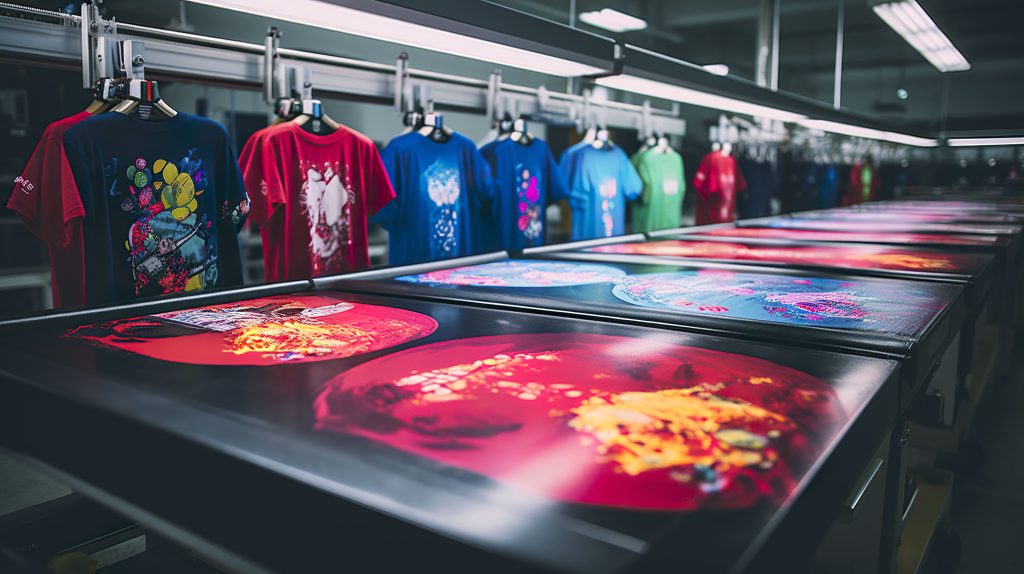
In the evolving landscape of fashion, **UV DTF printing** is emerging as a transformative technology that not only caters to the demands of contemporary consumers but also aligns with the principles of sustainable fashion. This innovative printing method leverages ultraviolet light to create stunning, durable designs while minimizing environmental impact. By employing eco-friendly inks and enabling print-on-demand services, UV DTF printing significantly reduces textile waste, making it a pivotal player in the push for sustainability. As the industry seeks to address the pressing challenges of pollution and waste, this revolutionary printing method exemplifies how creative solutions can foster eco-friendly practices in fashion. In this discussion, we will delve deeper into the remarkable benefits of UV DTF printing and its crucial role in reshaping how we approach clothing production and consumption.
Exploring eco-friendly printing methods reveals **UV Direct-to-Film (DTF) printing** as an essential component in the shift towards sustainable fashion. This cutting-edge technology, characterized by its use of ultraviolet light to bind inks to textiles, offers a significant reduction in harmful chemical usage compared to traditional printing techniques. By promoting print-on-demand practices, UV DTF printing effectively addresses issues of overproduction and textile waste, aligning with the industry’s growing commitment to reducing its environmental footprint. The proactive adoption of such technologies not only meets rising consumer demands for sustainable options but also transforms the fashion landscape into one that prioritizes ecological considerations alongside aesthetic appeal. As we analyze the implications of this printing innovation, the convergence of sustainability and fashion becomes increasingly evident.
The Future of Eco-Friendly Printing Technologies
As sustainability gains priority in various industries, eco-friendly printing technologies are leading the way in reshaping manufacturing processes. Among these, UV DTF printing stands out due to its significantly lower environmental impact compared to traditional methods. This advancement not only employs UV-curable inks that minimize harmful emissions but also enhances productivity by reducing energy consumption. By implementing such technologies, businesses in the fashion sector can align their practices with growing consumer demands for sustainable products, effectively contributing to a greener planet.
The focus on sustainable printing, including UV DTF techniques, is increasingly necessary amidst rising concerns regarding textile waste and pollution. Eco-friendly printing minimizes chemical usage and emphasizes the importance of responsible sourcing of materials, making it an attractive option for brands keen on reducing their environmental footprint. As printing technology evolves, innovators are finding ways to optimize these processes, further enhancing the role of eco-friendly printing in promoting sustainable practices across all sectors.
Understanding the Role of UV DTF Printing in Waste Reduction
UV DTF printing’s pivotal role in waste reduction is becoming clear as the fashion industry seeks to address overproduction issues. By incorporating a print-on-demand model, brands are empowered to manufacture only what consumers request, significantly curtailing excess inventory and the associated waste. This innovative approach ensures that fewer garments end up in landfills, thus promoting a more sustainable cycle of production and consumption.
Moreover, the precision of UV DTF printing contributes to reduced material waste through its efficient ink application process. Unlike traditional printing methods, which often lead to excessive ink consumption and rough fabric disruptions, UV DTF technology maximizes every drop of ink used. This advancement reinforces the concept of a circular economy within fashion, further aligning the industry’s practices with the principles of sustainability and responsible resource management.
Consumer Trends in Sustainable Fashion and Printing
The market is witnessing a substantial shift towards sustainable fashion as consumers prioritize eco-friendly brands. With a notable increase in preference for brands that utilize sustainable printing techniques like UV DTF printing, the demand for transparency in production processes is also rising. Shoppers are increasingly interested in understanding the environmental implications of their purchases, leading fashion brands to adopt practices that resonate with these eco-conscious consumers.
Additionally, the integration of sustainable printing methods can elevate a brand’s image, enhancing consumer loyalty. By demonstrating a commitment to eco-friendly practices through innovative technologies, brands not only meet consumer desires but also position themselves as leaders in ethical fashion. As reported by industry analysts, this alignment of product offerings with consumer values is crucial for brands looking to thrive in a competitive marketplace focused on sustainability.
Advancements in UV DTF Technology and Sustainability
The rapid advancements in UV DTF printing technology signify a transformative period for sustainable fashion. Enhanced print quality and the ability to work seamlessly with a diverse range of fabrics allow brands to explore creative possibilities while adhering to eco-friendly practices. These innovations serve not only to improve aesthetic appeal but also to align with the industry’s commitment to sustainability, reducing the environmental impact during production.
Moreover, ongoing improvements in UV DTF technology pave the way for even more sustainable printing options. Brands leveraging these advancements can explore new techniques and create intricate designs without compromising their sustainability goals. As noted by advancements in eco-friendly technologies, this commitment to innovation not only enhances product offerings but also ensures that the fashion industry continues moving towards more responsible practices.
The Economic Benefits of Sustainable Printing
The integration of UV DTF printing in fashion brings about notable economic benefits alongside its environmental advantages. By reducing waste through a print-on-demand approach, brands can better manage inventory costs and mitigate losses associated with unsold products. This not only improves profitability but also aligns financial incentives with sustainable practices, creating a win-win situation for both businesses and the environment.
Furthermore, companies adopting UV DTF printing can appeal to a growing market niche focused on sustainable products, which can lead to increased customer loyalty and brand recognition. As consumers are willing to pay a premium for eco-friendly choices, brands can capitalize on this trend, enhancing their economic viability while contributing positively to the environment. The long-term economic benefits of these sustainable practices strengthen the case for widespread adoption of technologies like UV DTF printing.
Making the Transition to Sustainable Practices in Fashion
Transitioning to sustainable practices in fashion requires not only adopting eco-friendly printing methods like UV DTF printing but also fostering a culture of environmental responsibility within brands. This shift can involve investing in technology that minimizes waste and resource consumption, as well as educating consumers about the benefits of sustainable choices. Brands that effectively communicate their dedication to sustainability can build strong connections with consumers, thus establishing themselves as pioneers in ethical fashion.
To successfully make this transition, brands may also need to evaluate their supply chains and production processes holistically. Incorporating practices like sustainable sourcing and waste management alongside UV DTF printing can enhance overall sustainability efforts, addressing the wider environmental impacts of fashion production. Ultimately, fostering these comprehensive changes will enable the industry to overcome challenges related to sustainability and promote a culture of environmental consciousness.
Frequently Asked Questions
What is UV DTF printing and how does it support sustainable fashion?
UV DTF printing, or Ultra Violet Direct-to-Film printing, is a modern printing technique that uses UV light to cure inks instantly onto textile surfaces. This method significantly reduces the amount of harmful solvents and chemicals used in traditional printing, contributing to a more sustainable fashion industry by lowering pollution levels and enabling the use of eco-friendly inks.
How does UV DTF printing minimize textile waste in the fashion industry?
UV DTF printing promotes a print-on-demand model that allows brands to produce clothing only when orders are placed. This approach effectively minimizes the overproduction typical in the fashion sector, resulting in reduced textile waste and less unsold inventory ending up in landfills.
What are the environmental benefits of using UV DTF printing?
The environmental benefits of UV DTF printing include significant reductions in chemical emissions due to the use of UV-curable inks and a decrease in energy consumption during the printing process. Brands can reduce their overall energy usage by up to 40%, contributing to a smaller carbon footprint and aligning with eco-friendly printing practices.
Can UV DTF printing help brands meet consumer demand for eco-friendly products?
Yes, UV DTF printing is an effective way for brands to meet the growing consumer demand for sustainable fashion products. As consumers increasingly prefer brands that prioritize eco-friendly practices, adopting UV DTF technology can enhance a brand’s image and appeal to environmentally conscious customers.
What technological advances make UV DTF printing more sustainable?
Recent advancements in UV DTF printing technology allow for high-quality designs while maintaining a commitment to sustainability. Enhanced print qualities, vibrant color applications, and versatility across various fabric types help brands reduce material waste and improve their eco-friendly printing methods.
How does UV DTF printing contribute to the circular economy in fashion?
UV DTF printing contributes to the circular economy by minimizing waste through precise ink application and supporting a print-on-demand model. This efficiency ensures that resources are maximized, reducing the overall environmental impact and promoting sustainable practices within the fashion industry.
| Key Point | Description |
|---|---|
| Environmental Impact Reduction | UV DTF printing reduces chemical usage and enhances energy efficiency, contributing to lower emissions and a smaller carbon footprint. |
| Waste Minimization | The print-on-demand model of UV DTF printing mitigates overproduction and reduces material waste through precise ink application. |
| Market Trends and Consumer Demand | With growing consumer preference for sustainable products, UV DTF printing aids brands in meeting eco-conscious demands. |
| Technological Advances | Recent advancements ensure high-quality prints without compromising sustainability, enabling diverse fabric use and intricate designs. |
Summary
UV DTF printing is essential for sustainable fashion, as it significantly reduces chemical usage and energy consumption while also minimizing waste through innovative print-on-demand capabilities. This technology not only addresses pressing environmental issues but also aligns perfectly with the growing consumer demand for eco-friendly products. As businesses increasingly adopt UV DTF printing, they contribute to a more sustainable future in fashion by promoting efficiency and quality while staying competitive in the market. With its remarkable benefits, UV DTF printing paves the way for responsible practices that honor both the environment and the needs of modern consumers.