
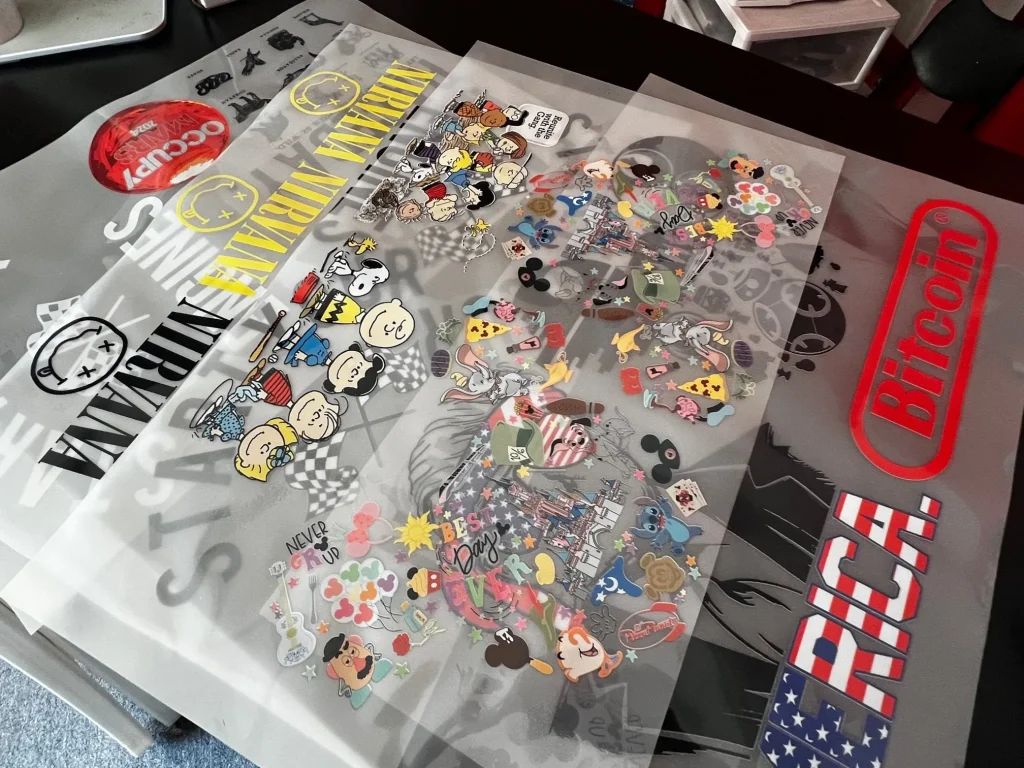
In the realm of custom apparel, the DTF gangsheet has emerged as a game-changer, revolutionizing the way designs are printed on fabrics. This innovative method allows for multiple designs to be printed on a single sheet, significantly boosting efficiency and reducing waste. For those eager to explore DTF printing, understanding how to build a gang sheet effectively is crucial for achieving vibrant, high-quality prints. From graphic design tips to optimizing printing techniques, mastering the art of gang sheet construction is integral to success in this industry. Whether you are a beginner or an established professional, the DTF gangsheet offers unique advantages that can elevate your apparel printing game to new heights.
When talking about direct-to-film printing, you might hear terms like “gang sheet creation” or “multi-design layouts” that emphasize the efficiency of this process. Essentially, the concept revolves around consolidating various graphic designs onto a singular, high-quality transfer film, which can then be applied onto various garments. This methodology not only streamlines the printing process but also maximizes the use of materials, making it a cost-effective choice for custom apparel creators. As you delve deeper into this topic, understanding key aspects such as design optimization and color management will further enhance your skills in building effective gang sheets. Whether referred to as DTF printing or gang sheet building, this modern technique is setting the standard in vibrant and durable custom apparel.
The Benefits of DTF Printing
DTF printing represents a significant advancement in the world of custom apparel, offering numerous advantages over other traditional printing methods. One of the primary benefits is its ability to produce high-quality prints that maintain their vibrancy over time. DTF prints are known for their durability and resistance to peeling, which makes them suitable for hard-wearing garments. Furthermore, DTF printing is versatile, allowing users to print on a wide range of fabrics, including cotton and synthetic blends, broadening the possibilities for apparel customization.
Another advantage of DTF printing is its efficiency, particularly when utilizing the gang sheet method. By arranging multiple designs on a single sheet, printers can reduce material consumption and optimize production time. This feature is especially beneficial for small businesses or those with tight deadlines, as it allows for swift order fulfillment. Additionally, the capability to adjust designs dynamically means that artists can experiment with color combinations and layouts without being restricted by the limitations of other printing techniques.
Essential Design Software for DTF Gangsheet Creation
When embarking on your DTF printing journey, selecting the right design software is critical to success. Programs such as Adobe Illustrator and CorelDRAW are among the most popular choices for designing gang sheets, as they provide extensive tools for layout optimization and intricate graphic work. These platforms allow you to create templates specific to the sizes of your garments, ensuring that every design fits perfectly within the designated space. Utilizing such tools is essential to streamline your workflow and improve the quality of your prints.
In addition to traditional design software, consider incorporating specialized DTF design applications that offer built-in features for gang sheet building. These applications can simplify the design process by providing preset templates and optimizing image placement. Moreover, by using graphic design software equipped with color management functionalities, you can ensure that the colors in your designs are accurately represented when printed, helping to avoid common pitfalls like color discrepancies that plague many beginners.
Optimizing Sizes and Layouts in Gangsheet Building
The success of your DTF printing largely depends on how well you optimize the sizes and layouts of your gang sheets. Determining the right dimensions for each design is crucial to avoid wastage and ensure clean cuts during the printing process. A well-thought-out layout includes proper spacing to facilitate easy cutting and weeding after printing. As you create your gang sheets, constantly refer back to the dimensions of the apparel you intend to print on, making adjustments as necessary to ensure a perfect fit.
Additionally, employing mock-ups during the design phase can significantly enhance your understanding of how the final prints will appear. By visualizing your designs on actual garments, you can identify any scaling or alignment issues beforehand, allowing for early adjustments. This step can save countless hours and materials in the long run, reinforcing the importance of careful planning when building your gang sheets.
Color Management Techniques for Vibrant DTF Printing
Color management is an essential aspect of DTF printing, and successfully navigating this aspect can make a noticeable difference in the final product. Utilizing ICC profiles tailored specifically for DTF printing ensures that colors printed closely match what you see on your screen. Implementing these profiles during the design phase can help prevent the frustrations commonly associated with color mismatches that leave prints looking dull or ineffective.
Moreover, conducting test prints is a vital practice that should not be overlooked. By creating small test prints of your designs on the intended fabrics, you can assess how accurately colors transfer and make necessary adjustments. This process allows for fine-tuning your printer settings and can fine-tune saturation levels, helping you achieve the vibrant results that DTF printing promises.
Mastering the DTF Printing Process
As you advance in your DTF printing endeavors, mastering the printing process itself becomes paramount. Each printing machine may have unique settings tailored to its specifications; therefore, understanding how to adjust ink saturation and print resolution for DTF materials is crucial. Play around with varying ink levels to discover the perfect balance that enhances the vibrant output while avoiding issues such as oversaturation that could impair print quality.
Regular calibration of your printer is another fundamental aspect to ensure a smooth printing experience. By continuously monitoring and adjusting your printer settings, you can prevent common printing problems, including misalignment and color bleeding. Investing time into becoming familiar with your machine will pay off in terms of efficiency and print quality, making your transition into the DTF printing world much more manageable.
Building Connections in the DTF Community for Continuous Learning
Engaging with the DTF printing community can be a tremendous resource, especially for beginners looking to expand their knowledge and skills. Online forums, social media groups, and dedicated websites frequently provide a wealth of information, including tutorials, troubleshooting advice, and shared experiences from industry veterans. By actively participating in these communities, you will gain insights that may not be readily available in traditional learning environments.
Furthermore, exploring content from professional YouTube channels or blogs focused on DTF printing can significantly accelerate your learning process. Visual demonstrations offer practical guidance that can be incredibly beneficial in understanding complex techniques, such as gang sheet creation and color management. As you absorb information from these resources, your confidence will grow, and you will be better equipped to tackle the challenges that come with mastering DTF printing.
Frequently Asked Questions
What is a DTF gangsheet and why is it important in DTF printing?
A DTF gangsheet is a large film sheet that features multiple designs printed at once using DTF printing techniques. This method is important because it maximizes efficiency, reduces material waste, and enables quick production of custom apparel, making it essential for beginners and experienced printers alike.
How can I effectively build a DTF gangsheet for custom apparel printing?
To build an effective DTF gangsheet, use graphic design software like Adobe Illustrator to layout your designs. Ensure proper sizing, spacing between designs, and follow design templates optimized for garment dimensions. This strategic layout will minimize waste while allowing for multiple prints in a single run.
What are some tips for optimizing color management when working with DTF gang sheets?
To optimize color management in DTF printing, utilize accurate ICC profiles for your printer, perform test prints to match on-screen colors with actual prints, and adjust settings based on the fabric type. This ensures vibrant and consistent colors in your DTF gangsheet output.
What are common challenges faced when creating DTF gang sheets and how can they be overcome?
Common challenges include color bleeding, improper curing, and misalignment. To overcome these, calibrate your printer settings correctly, adhere to recommended curing times and temperatures, and double-check design alignment before printing. Regular practice can help mitigate these issues.
What printer settings should I consider for DTF gangsheet printing?
When printing DTF gang sheets, key settings include ink saturation, print resolution, and color profiles. Experiment with these settings to find the right balance that ensures high-quality prints without oversaturation or loss of detail.
Where can I find resources and community support for DTF printing and gangsheet building?
You can find valuable resources and support for DTF printing through online forums, instructional blogs like Printavo, and YouTube tutorials from DTF professionals. Engaging with these communities can provide insights and tips that enhance your gangsheet building skills.
| Key Point | Details |
|---|---|
| Understanding DTF Printing | DTF printing transfers designs onto fabrics, allowing for vibrant, durable prints and versatility on various materials. |
| Getting Started with Gangsheet Building | Utilize graphic design software like Adobe Illustrator to create gang sheets with proper layout, spacing, and design templates. |
| Size and Layout Considerations | Designs must fit the fabric dimensions with enough spacing to avoid cutting errors. |
| Color Management | Use specific ICC profiles for accurate color representation and perform test prints to ensure quality. |
| Printing Process | Adjust printer settings for ink saturation and resolution, and regularly calibrate your printer. |
| Post-Printing Handling Techniques | Cure the ink correctly with heat and inspect prints for quality after curing. |
| Common Challenges and Solutions | Monitor color bleeding, ensure proper curing, and check alignment to prevent common mistakes. |
| Resources and Communities for Support | Engage with online forums, blogs, and video tutorials to gain knowledge and tips for DTF printing. |
Summary
DTF gangsheet is transforming the custom apparel industry by allowing creators to efficiently print multiple designs on a single sheet, maximizing material use and minimizing waste. As you begin your journey in mastering DTF gangsheet building, remember to leverage software tools for optimal design, pay attention to color management for vibrant outcomes, and continually engage with the community for support. These foundational skills will pave the way for creating custom apparel that meets growing market demands, enhancing both your creativity and business opportunities. Stay informed and practice your techniques to thrive in the exciting world of DTF printing!