
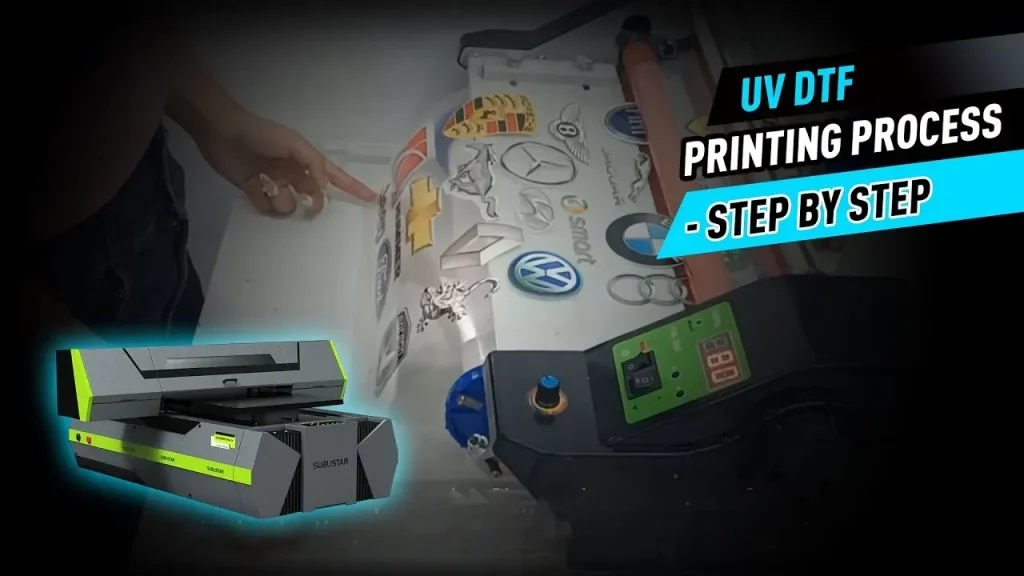
UV DTF printing techniques are transforming the landscape of the printing industry, combining cutting-edge technology with unmatched versatility. This innovative method utilizes ultraviolet inks to produce high-resolution prints on a plethora of materials, including textiles, ceramics, and metals, catering to diverse market needs. Businesses are increasingly recognizing the advantages of UV DTF, such as superior durability and vibrant color fidelity, which enhance their product offerings. By harnessing the power of direct-to-film printing, companies can create customized merchandise that reflects individual styles and preferences. In this guide, we will delve into the intricacies of UV DTF printing, exploring its applications, benefits, and future innovations that solidify its place as a leader in high-quality printing solutions.
Often referred to as ultraviolet direct-to-film printing, this advanced technique is reshaping how businesses approach their printing needs. By employing UV-cured inks, this method ensures that prints are not only striking in appearance but also resilient against the wear and tear of everyday use. With its adaptability across various materials, this printing process offers impressive advantages, like sustainability and exceptional print quality, which are instrumental for modern manufacturing. As industries seek innovative and efficient solutions to meet consumer demands, ultraviolet printing techniques have emerged as a frontrunner in delivering customized products with enhanced efficiency. In the sections that follow, we will uncover the numerous applications and key benefits that this technology brings to the table.
Understanding UV DTF Printing Techniques
UV DTF (Direct-to-Film) printing technology stands as one of the most innovative solutions in the current landscape of printing. It combines the precision of digital printing with the durability provided by ultraviolet curing, allowing for high-resolution imagery that adheres seamlessly to a wide range of substrates. This method allows print professionals to capture intricate details and vibrant colors, making it a favorite for many applications, including fashion and home decor. As more businesses look for versatile printing solutions, understanding these techniques becomes vital.
One of the most notable aspects of UV DTF printing is its compatibility with diverse materials, such as textiles, plastics, metals, and even glass. This versatility opens up endless possibilities for creativity and customization, which are crucial in today’s market where consumers seek unique and personalized products. The process also ensures that prints are resistant to wear and tear, a necessity for products designed to endure everyday use.
The Benefits of Using UV DTF Printing
The advantages of UV DTF printing are compelling, making it a popular choice among manufacturers and print service providers. Unlike traditional printing methods, UV DTF allows for fast production times without sacrificing quality. The use of UV-cured inks results in sharper details and vibrant colors, enhancing the visual appeal of each printed item. This is particularly important in industries such as fashion and promotional products, where the aesthetics of a product can significantly impact consumer decisions.
Furthermore, UV DTF printing promotes an eco-friendly approach due to its low volatile organic compounds (VOC) emissions. As consumers become increasingly eco-conscious, businesses that adopt sustainable practices benefit from a competitive edge. Given the rising demand for high-quality and durable printed items, companies that leverage the advantages of UV DTF printing are well-positioned to meet market expectations.
Innovations Shaping UV DTF Printing
The evolution of UV DTF printing is closely tied to advancements in technology that refine its capabilities. Improved curing techniques have emerged, allowing inks to set faster under UV light, which significantly increases production speeds and efficiency. This not only minimizes lead times but also empowers businesses to fulfill smaller production runs, shifting away from the traditional constraints of bulk printing.
Recent developments also include enhanced software solutions that facilitate easier design transfers, ultimately making the process more user-friendly. As the industry pushes for greater customization, these innovations will play a pivotal role in satisfying consumer demands, providing businesses with the tools to deliver tailored solutions that resonate with their target audiences.
Exploring the Multiple Applications of UV DTF Printing
UV DTF printing boasts a remarkable breadth of applications across various industries. In fashion, it is used to create custom apparel, allowing brands to offer unique designs that resonate with individual consumer tastes. This capability not only enriches the product offerings but also helps businesses stand out in a crowded marketplace by providing personalized experiences.
Beyond fashion, UV DTF printing is increasingly employed in promotional products and interior decor. From beautifully printed business cards to eye-catching home decor items, the technique accommodates diverse aesthetic preferences and functional needs. Businesses harnessing this technology can create memorable and impactful marketing materials that leave lasting impressions on clients and customers.
What Makes UV DTF Printing a Game-Changer?
The game-changing aspect of UV DTF printing lies in its ability to produce high-quality prints that surpass traditional techniques. With the capability to print on a wide variety of materials without compromising on quality or durability, UV DTF technology caters to the evolving demands of modern consumers. As the market moves towards more personalized products, printers that adopt UV DTF are well-equipped to respond effectively.
Additionally, the durability offered by UV-cured prints translates into long-term customer satisfaction. The resistance to fading, scratches, and water damage ensures that the products maintain their vibrant appeal even with regular use. This reliability fosters trust in brands and builds customer loyalty, making UV DTF not just a printing method but an investment in quality.
Future Trends in UV DTF Printing Technology
Looking ahead, the future of UV DTF printing appears promising as the technology continues to advance. Trends such as increased automation and smarter material compatibility are on the horizon, poised to further streamline the printing process. As machines become more sophisticated, businesses can expect even higher efficiencies and lower costs per print, amplifying the potential of UV DTF technology.
Moreover, the push for customization is likely to grow stronger, prompting continued innovation in both printing processes and materials. Consumers will increasingly seek out unique, tailor-made products, compelling printers to explore new avenues for creativity. Embracing these future trends in UV DTF printing not only enhances product offerings but also positions companies to thrive in an increasingly competitive landscape.
Frequently Asked Questions
What is UV DTF printing and how does it work?
UV DTF printing, or UV Direct-to-Film printing, utilizes ultraviolet light to cure inks directly onto a film, which is then transferred onto various substrates. This method enables high-resolution, durable prints on a range of materials including textiles, glass, and metals, making it a versatile and efficient printing solution.
What are the advantages of UV DTF printing techniques over traditional printing methods?
The advantages of UV DTF printing techniques include higher quality prints with superior color fidelity, enhanced durability against scratches and fading, and the ability to print on a wide variety of surfaces. Additionally, the process is eco-friendly due to low VOC emissions, making it a more sustainable choice for manufacturers.
What kinds of applications are best suited for UV DTF printing?
UV DTF printing is ideal for a broad spectrum of applications such as fashion items (like T-shirts and hats), promotional products (including business cards and phone cases), interior décor, and industrial printing (like signage and machinery panels). Its versatility allows businesses to create custom products across different industries.
How does UV DTF printing contribute to eco-friendly printing practices?
UV DTF printing contributes to eco-friendly practices through the use of low VOC inks and the reduction of waste associated with traditional printing methods. The durability of UV-curing inks also means that printed products have a long lifespan, reducing the environmental impact associated with frequent replacements.
What is the future of UV DTF printing techniques?
The future of UV DTF printing techniques looks promising as advancements in technology continue to enhance the efficiency and quality of prints. With increasing demand for customization and on-demand printing, the industry is likely to see more innovations, expanding the applications and capabilities of UV DTF technology.
Can UV DTF printing be used for small production runs?
Yes, UV DTF printing is particularly well-suited for small production runs. Unlike traditional screen printing methods that require large quantities for cost-effectiveness, UV DTF allows businesses to produce high-quality prints economically, thereby catering to the growing trend of personalized and custom orders.
| Key Point | Description |
|---|---|
| Introduction | UV DTF printing utilizes UV inks for high-resolution prints on various substrates. |
| Overview | Employs a direct-to-film process for vibrant and durable prints. Allows for intricate designs. |
| Advantages | 1. Versatility: Works on various materials. 2. High Quality: Superior color fidelity. 3. Durability: Scratch and water-resistant. 4. Eco-Friendly: Low VOC inks. |
| Key Developments | Recent advancements in curing techniques and production speeds attract diverse sectors. |
| Applications | Used in fashion, promotional products, interior décor, and industrial printing. |
| Conclusion | UV DTF printing sets new standards in quality, customization, and eco-friendliness in printing. |
Summary
UV DTF printing techniques have emerged as a transformative force in the printing industry, enabling businesses to produce high-quality, customizable prints on a wide array of materials. By leveraging ultraviolet ink technology, UV DTF ensures vibrant colors, exceptional durability, and an eco-friendly approach, catering to the growing demand for personalized products. Companies that adopt these innovative techniques can effectively meet consumers’ evolving preferences and stand out in a competitive market. As advancements in this technology continue to develop, UV DTF printing is poised to further integrate into various sectors, driving creativity and offering limitless possibilities for customization.