
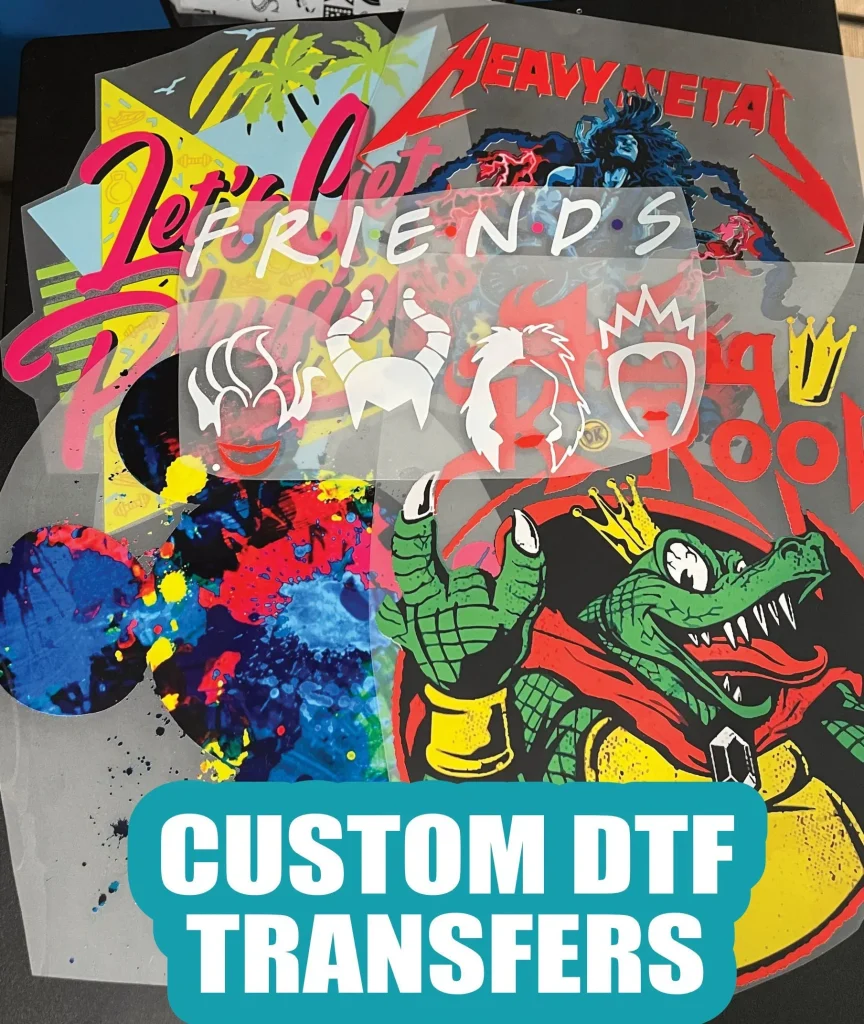
DTF Transfers, or Direct to Film printing, has transformed the landscape of fabric customization, delivering vibrant colors and intricate designs with ease. This innovative technology allows creators to produce high-quality prints that can enhance a variety of textiles, from t-shirts to bags. However, achieving flawless DTF transfer quality does require attention to detail, as certain common mistakes can hinder the final output. In this guide, we will explore these frequent pitfalls, including DTF printing mistakes and Direct to Film issues, as well as provide effective heat transfer printing solutions. By understanding how to maintain DTF printers properly, you can ensure your printing process is both smooth and successful.
The world of DTF printing, also known as transfer printing or film transfer techniques, presents endless possibilities for artistic expression on fabric. As this method gains popularity, it’s crucial to recognize that, like any innovative process, it comes with its share of challenges. Common issues may arise, impacting the quality of your prints and leading to unexpected complications. This article will delve into effective strategies to avoid these dilemmas, ensuring that your transfer endeavors yield satisfactory results. Perfecting your approach not only enhances the vibrancy of your designs but also prolongs the life of your printed textiles.
Understanding Common DTF Printing Mistakes
DTF printing, though beneficial for its color vibrancy and design detail, is fraught with potential pitfalls that many users encounter. Among the most common mistakes is failing to establish the correct print settings. Whether it’s a miscalibrated resolution or a neglected color profile, these errors can severely degrade the quality of your prints. To mitigate this, it’s essential to familiarize yourself with your printer’s specifications. Ensuring that your printer settings are adjusted to match the fabric and design style can lead to vastly improved results.
Moreover, inconsistent pre-treatment of fabrics can result in poor transfer adhesion, making it a critical area for attention in the DTF printing process. A lack of proper preparation can lead to transfers peeling off after just a few washes, which undermines the effort put into creating beautiful designs. Therefore, always apply pre-treatment solutions that are suitable for the specific fabrics being used, taking care to follow the manufacturer’s instructions for application and drying times.
The Role of Film Quality in DTF Transfers
Film quality is a significant factor that can affect the outcome of DTF prints. Utilizing subpar films often leads to issues such as cracking, peeling, or faded designs, which can be frustrating for any printer aiming for professional-quality results. If you find yourself regularly facing these issues, reconsider the transfer films you are using. Opt for high-quality films that meet industry standards to enhance the transfer’s durability and vibrancy.
Investing in superior film not only improves the initial appearance of the designs but also contributes to their longevity. High-quality DTF transfer films are specifically engineered to withstand the rigors of handling and washing, ensuring that your artwork remains intact over time. By focusing on the film quality you use, you establish a solid foundation for successful DTF transfers.
Maintaining Your DTF Printer for Optimal Performance
Proper maintenance of your DTF printer is paramount in achieving consistent high-quality prints. A frequently overlooked aspect is the print head; neglecting to clean it can lead to clogged nozzles, creating unsatisfactory results like streaks or faded areas in your designs. Following the manufacturer’s cleaning schedule is vital in preventing these issues from arising.
Additionally, routine checks and maintenance can extend the lifespan of your printer, making it a wise investment for anyone engaged in DTF printing. Regularly inspect the ink cartridges and replace them as needed to ensure that your designs remain vibrant and error-free. A well-maintained printer not only minimizes the risk of Direct to Film issues but also maximizes the quality of each transfer.
Tips for Perfect Heat Transfer when Using DTF
Getting the temperature and time settings correct when heat pressing DTF transfers is crucial for successful results. Misjudging these parameters can lead to transfers that either fail to adhere properly or damage the fabric. It’s essential to invest in a heat press that offers precise control over temperature settings to achieve the best results.
Always adhere to the manufacturer’s guidelines regarding temperature and time to ensure that each transfer receives the optimal conditions for adhesion. A simple miscalculation can mean the difference between a vibrant, lasting design and a disappointing print. Thus, making these adjustments can significantly enhance the quality of your DTF transfers.
Resolving Common Direct to Film Issues
Direct to Film issues can disrupt the flow of your printing operations and diminish the quality of your output. One common problem users face is inconsistent print quality, often resulting from using improper ink types. To avoid this pitfall, always ensure that the inks you choose are specifically formulated for DTF applications. Non-compatible inks can cause colors to appear dull or distorted, severely affecting the aesthetic of the finished product.
In addition to ink quality, troubleshooting any printing inconsistencies often requires diagnostic tests and adjustments. If you experience frequent issues, consult your printer’s documentation for troubleshooting steps. Engaging with online printing communities can also provide helpful insights and solutions shared by experienced DTF users.
Achieving High-Quality DTF Transfer Results
Achieving high-quality DTF transfer results demands a combination of skillful techniques and the right resources. Start by thoroughly understanding the variables at play in the DTF printing process. From printer settings and ink selection to fabric types and pre-treatment application, being mindful of each factor can lead to superior results.
Moreover, engaging in trial and error during practice runs can be beneficial. Don’t hesitate to conduct test prints on various fabrics to identify the combinations that yield the best outcomes. With attention to detail and a willingness to adapt, you can significantly boost the quality of your DTF transfers.
Frequently Asked Questions
What are the common DTF printing mistakes that affect print quality?
Common DTF printing mistakes include incorrect print settings, inadequate pre-treatment of fabrics, improper ink usage, neglecting temperature and time during heat pressing, poor film quality, and not cleaning the print head. Addressing these issues ensures better DTF transfer quality and more vibrant designs.
How can I solve Direct to Film issues during the printing process?
To resolve Direct to Film issues, ensure that your printer settings are optimized for DTF transfers, apply the correct pre-treatment on fabrics, use compatible inks, maintain accurate heat press temperatures, and choose high-quality transfer films. Regular cleaning of the print head is also essential for optimal performance.
What heat transfer printing solutions can enhance DTF transfer quality?
Heat transfer printing solutions to enhance DTF transfer quality include using a reliable heat press with precise temperature control, following manufacturer guidelines, and investing in high-quality DTF Transfer films. Testing various fabric and ink combinations can also lead to improved results.
What should I consider when maintaining DTF printers for optimal performance?
When maintaining DTF printers, consider routine cleaning schedules for print heads, proper storage of inks, regular replacement of parts that wear down, and ensuring that printer settings are always adjusted for the fabric type and design. This will help prevent Direct to Film issues and enhance overall print quality.
How do I achieve better results with DTF transfers?
To achieve better results with DTF transfers, focus on selecting the right print settings, ensure proper pre-treatment of fabrics, use compatible and high-quality inks and films, and follow recommended time and temperature settings for heat pressing. Regular maintenance of the printer will also help improve DTF transfer quality.
What are the best practices for preventing DTF printing mistakes?
Best practices for preventing DTF printing mistakes include thoroughly reading the printer manual for optimal settings, performing test transfers on different fabric types, cleaning the printer regularly, and staying updated on DTF printing technology. Engaging in online forums can also provide insights into avoiding common Direct to Film issues.
| Mistake | Description | Solution |
|---|---|---|
| Wrong Print Settings | Overlooking correct printer settings can lead to poor print quality. | Adjust printer settings according to the manufacturer’s guidelines and conduct test prints. |
| Inadequate Pre-treatment | Neglecting pre-treatment results in poor adhesion of the transfer. | Apply a suitable pre-treatment solution and follow drying times meticulously. |
| Improper Ink Usage | Using non-compatible ink can cause fading and poor colors. | Use inks specifically formulated for DTF printing that are compatible with your printer. |
| Neglecting Transfer Temperature and Time | Incorrect temperature or time can lead to weak prints or damage. | Invest in a heat press with precise controls and follow guidelines closely. |
| Poor Film Quality | Using low-quality transfer films can result in cracking and fading. | Opt for high-quality DTF transfer films that meet industry standards. |
| Not Cleaning the Print Head | Neglect can lead to clogged nozzles and inconsistent printing. | Follow the cleaning schedule recommended by the printer manufacturer. |
Summary
DTF Transfers present an innovative method for applying vibrant designs to fabrics, but potential pitfalls can arise if users are not careful. By actively avoiding common mistakes—such as incorrect print settings, poor ink choices, and subpar film quality—users can maximize the effectiveness of their DTF transfers. Understanding these errors and implementing the recommended solutions will enhance overall print quality and durability, resulting in professional-grade designs. Whether in a business context or as a hobbyist, mastering DTF transfers can significantly elevate your textile printing outcomes.