
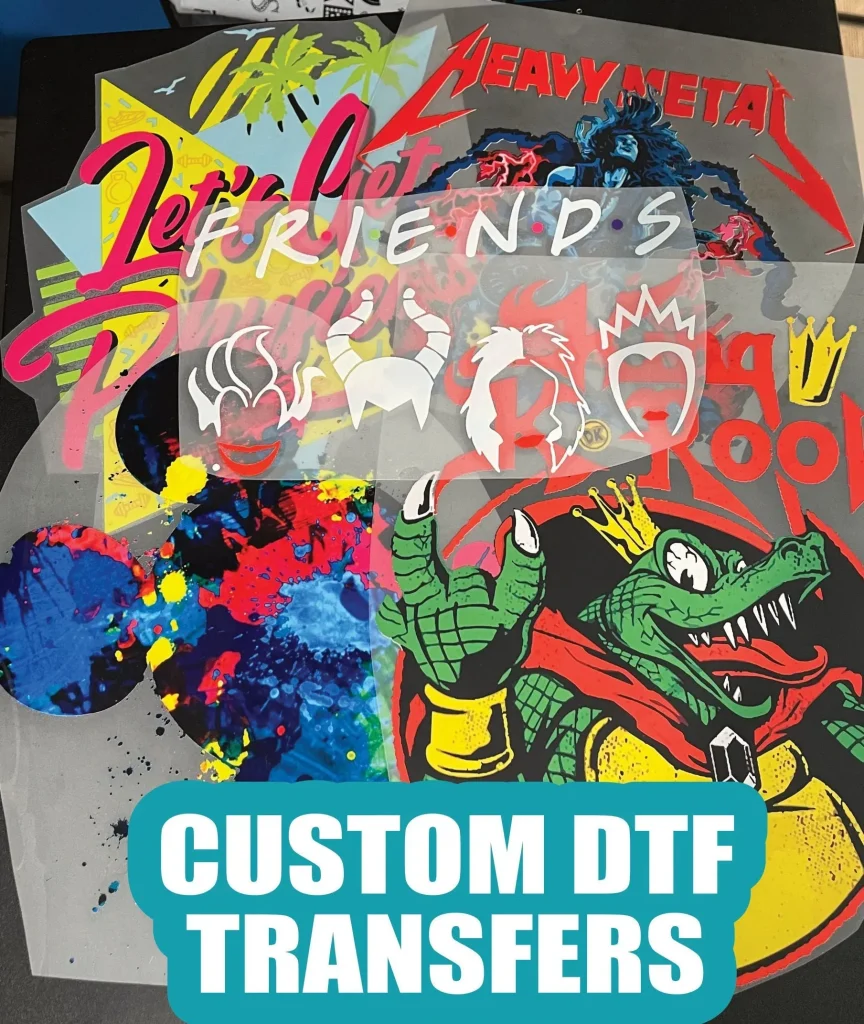
DTF transfers, or Direct-to-Film transfers, are revolutionizing the custom apparel printing landscape by enabling vibrant and complex designs to be easily transferred onto various fabrics. With the increasing popularity of personalized clothing, this innovative printing method is becoming a go-to choice for both seasoned professionals and novices. In this guide, we will explore the DTF transfer process step-by-step while providing essential insights and tips for those venturing into DTF printing for beginners. From understanding the basics to mastering the nuances of the DTF transfer guide, you’ll discover how to achieve high-quality results that stand out. Join us as we unlock the secrets behind this effective printing technique and elevate your custom apparel creations.
In the realm of textile printing, the Direct-to-Film method is making waves as a preferred approach for transferring eye-catching graphics onto garments. Often referred to as DTF printing, this technique not only meets the growing demand for customization but also offers incredible versatility when it comes to fabric compatibility. This guide aims to unravel the intricacies involved in the DTF transfer process, catering to both experienced designers and those new to the scene. By providing an extensive overview, we’ll illuminate the steps to effective custom apparel printing and share insider insights to help you navigate the DTF landscape with confidence. Whether you’re looking to add a personal touch to your wardrobe or explore a new business venture, understanding this innovative transfer method will empower your creativity.
Understanding the DTF Transfer Process
DTF transfers, or Direct-to-Film transfers, represent an innovative leap forward in the realm of custom apparel printing. The process begins with creating a digital design that captures the desired aesthetic. Once the design is finalized, it is printed onto a specialized film using water-based inks, which are known for their vibrant colors and durability. This printing technique supports high-resolution images, making it ideal for intricate designs that demand precision, such as logos, graphics, and elaborate artwork. Afterward, an adhesive is applied to the film, which plays a crucial role in ensuring that the transfer adheres properly to the fabric during the heat application process.
Once the adhesive is applied, the film must be cured using heat to activate the bonding agent, creating a firm attachment between the design and the fabric. Finally, using a heat press, the film is applied to the chosen garment, completing the transfer. This meticulous approach highlights the importance of each step, from design preparation to final application, thus ensuring high-quality results suitable for a wide range of fabrics, including cotton and polyester blends. Understanding the DTF transfer process not only streamlines production but also enhances creativity and customization in apparel printing.
Key Benefits of DTF Transfers for Custom Apparel Business
One of the standout benefits of DTF transfers is their versatility, allowing them to be applied to a wide array of fabrics. This adaptability makes them a favorite among custom apparel businesses, as they can cater to diverse customer preferences and style choices. In contrast to other printing methods like screen printing, DTF technology maintains high-quality results across both dark and light fabrics, enabling businesses to serve various markets without compromising on print quality or vibrancy.
Moreover, DTF transfers are incredibly durable, offering impressive resistance to fading and wear even after multiple washes. This longevity is an attractive selling point for customers who value quality and are looking for apparel that withstands the test of time. Businesses leveraging DTF transfers can capitalize on this feature to attract customers seeking reliable, long-lasting designs, ultimately fostering customer loyalty and encouraging repeat business. With ongoing advancements in the DTF domain, businesses can stay at the forefront of custom apparel printing innovation.
Step-by-Step Guide to Creating Stunning DTF Transfers
Creating stunning DTF transfers involves a series of well-defined steps that can greatly influence the final outcome. First, the design preparation stage is critical; designers must ensure that the artwork is not only eye-catching but also tailored for transfer printing. This involves selecting the right color palette and maintaining the resolution to prevent pixelation during printing. Following the design phase, the printing process itself is equally vital, as it requires using top-quality water-based inks that deliver vibrant colors and a solid feel on fabric.
After printing, the application of the hot-melt adhesive is a key step, as it binds the transfer to the fabric during pressing. The curing phase, where heat is applied to activate the adhesive, ensures a robust hold. Using a heat press is the final step in this process, where technique and timing are crucial to achieving the best results. By carefully following this step-by-step guide, creators can produce high-quality DTF transfers that meet customer expectations and elevate their custom apparel offerings to new heights.
Troubleshooting Common DTF Transfer Issues
While DTF transfers offer numerous advantages, users may encounter common issues that can hinder their printing success. One prevalent problem is poor adhesion, which typically arises from insufficient heat application during the pressing phase. To mitigate this, it’s essential to accurately monitor temperature settings and pressing time to ensure optimal transfer results. Additionally, ensuring that the transfer is aligned correctly on the fabric before pressing can prevent misalignment, a problem that could lead to design distortion or poor aesthetic appearance.
Another issue might be fading colors, often due to the usage of low-quality inks or films that don’t withstand multiple washes. To address fading concerns, it’s advisable to invest in high-quality materials specifically designed for DTF printing. Regular maintenance and calibration of printing equipment can also play an essential role in preventing quality issues. By proactively addressing these common challenges, users can enhance their overall DTF transfer experience and achieve consistent quality in their custom apparel products.
The Role of Industry Leaders in Advancing DTF Technology
Companies such as Sam’s DTF Transfers and Insta Graphic Systems are leading the charge in advancing DTF technology, contributing significantly to the growth of the custom apparel market. With extensive in-house expertise, they provide premium DTF transfer services tailored to meet the diverse needs of hobbyists and professional printers alike. By offering resources and solutions that simplify the DTF process, these industry leaders make it easier for newcomers to enter the field and for established businesses to enhance their capabilities.
Moreover, the continuous development of innovative products like Insta DTF plays a pivotal role in enhancing the performance of DTF transfers. By introducing universal heat transfer solutions, these companies are not only improving quality but also increasing versatility across varied applications. This support fosters a robust ecosystem for creators and businesses alike, making it essential for potential users to stay informed about the latest offerings from these leaders to leverage the best practices in the DTF transfer market.
Future Trends in DTF Printing for Custom Apparel
The future of DTF printing in custom apparel is poised for exciting advancements, driven by technological innovations and consumer demands for personalization. As manufacturers continue to refine DTF printing technology, we can expect improvements in print speed, efficiency, and color accuracy, allowing custom apparel businesses to meet the growing demand for rapid turnaround times and high-quality products. Additionally, as eco-friendly printing options become increasingly important, the shift towards sustainable materials and inks in DTF transfers will resonate with environmentally conscious consumers.
Furthermore, the integration of advanced software solutions in the design and printing processes will empower creators to experiment and innovate in ways previously unattainable. With easy-to-use platforms emerging, beginners can also capitalize on the burgeoning DTF trend without extensive training or resources. As these trends unfold, the custom apparel landscape will likely see an influx of unique designs and high-quality products that harness the full potential of DTF printing, further elevating creators’ opportunities.
Frequently Asked Questions
What are DTF transfers and how do they work?
DTF transfers, or Direct-to-Film transfers, involve printing designs onto a specialized film using water-based inks. After printing, the film is coated with a hot-melt adhesive and cured before being applied to fabric using a heat press. This process produces vibrant, durable graphics suitable for custom apparel printing.
What equipment do I need for DTF printing for beginners?
For beginners interested in DTF printing, you will need a DTF printer, DTF transfer film, a heat press, and hot-melt adhesive. These essentials will enable you to successfully create and apply DTF transfers to various fabrics.
How does the DTF transfer process compare to traditional screen printing?
The DTF transfer process is often more versatile than traditional screen printing, allowing for detailed designs and a broader range of fabric types. Additionally, DTF transfers usually require less setup time and are ideal for small runs and custom orders.
Can I use DTF transfers on dark fabrics?
Yes, DTF transfers are suitable for dark fabrics. The special inks used in DTF printing allow for vibrant designs that stand out on darker materials without the need for a white underbase, making them ideal for custom apparel on various fabric colors.
What are the benefits of using DTF printing for custom apparel?
DTF printing offers several benefits, including high-quality prints with excellent color vibrancy, durability that withstands many washes, and the flexibility to print on different fabric types. These advantages make DTF transfers a popular choice in custom apparel printing.
Where can I find resources for DTF transfer guidance?
Resources for DTF transfer guidance can be found through platforms like Sam’s DTF Transfers, which provides in-depth support and products for creators. Additionally, many online tutorials and forums are available for those looking to learn the DTF transfer process.
| Key Point | Description |
|---|---|
| Introduction to DTF Transfers | DTF transfers are increasingly popular for custom apparel printing due to the demand for personalized clothing. |
| Definition | DTF transfers involve printing designs on special film, utilizing water-based inks for high-quality, durable graphics. |
| Market Developments | Sam’s DTF Transfers is becoming a leading provider, while Insta DTF introduces versatile solutions for both hobbyists and professionals. |
| Steps to Create DTF Transfers | 1. Design Preparation 2. Printing on Film 3. Applying Adhesive 4. Curing Adhesive 5. Transfer to Fabric |
| Benefits of DTF Transfers | Quality prints, versatility across fabrics, durability through washes, and accessible resources for creators. |
| Common Issues & Solutions | 1. Poor Adhesion: Ensure correct heating. 2. Design Misalignment: Use registration marks. 3. Fading Colors: Opt for quality inks and films. |
Summary
DTF Transfers are revolutionizing the custom apparel printing landscape, offering creators a reliable method to produce vibrant, high-quality designs. As interest in personalized clothing surges, the rise of DTF transfers enables individuals and businesses to explore limitless creative options. By understanding the nuances of the DTF process and the technological advancements from leaders like Sam’s DTF Transfers and Insta DTF, users can significantly enhance their productivity and output. Embracing DTF transfers will not only elevate your designs but also position you at the forefront of a thriving industry.