
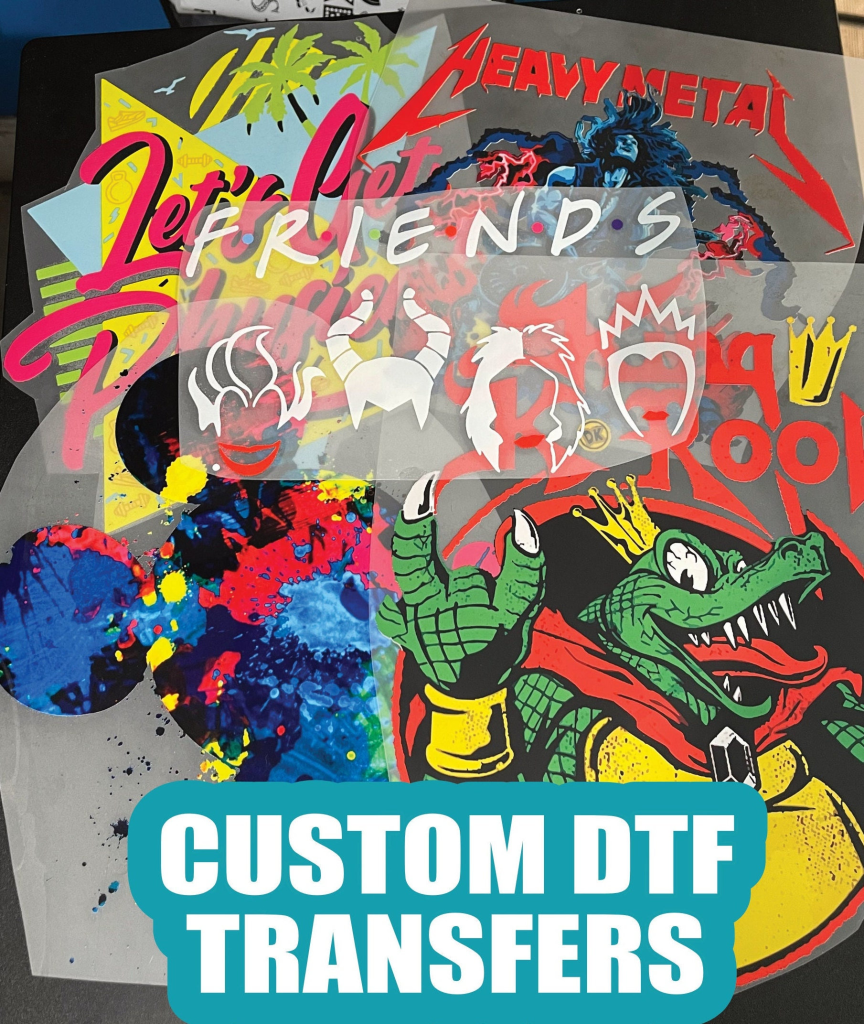
DTF transfers, or Direct to Film transfers, have quickly become a go-to printing method for those seeking vibrant and durable designs on a variety of fabrics. This innovative DTF printing process stands out for its ability to deliver exceptional quality and detail, making it suitable for both seasoned professionals and beginners eager to dive into custom DTF printing. As we explore DTF transfers, we’ll cover the essential equipment needed, delve into the step-by-step process, and highlight the versatility that these transfers offer for any printing project. Whether you’re creating unique apparel or designing promotional products, mastering DTF transfer techniques will elevate your printing game to new heights. Get ready to unlock the potential of DTF transfers and transform your creative ideas into reality.
Direct to Film printing, commonly referred to as DTF, has revolutionized the way we think about custom designs for fabric. This method of printing involves transferring intricate patterns directly onto a specialized film that can then be heat-pressed onto various textile materials. For those new to the niche of DTF printing, understanding the fundamental aspects like essential DTF transfer equipment and techniques can open up a wealth of creative possibilities. Not only does this approach allow for vibrant colors and sharp details, but it also caters to a diverse range of applications from fashion to home décor. Embracing this cutting-edge technology can provide both hobbyists and small businesses with the tools needed to bring their artistic visions to life.
Understanding DTF Transfers: A Closer Look
DTF transfers, or Direct to Film transfers, represent a groundbreaking technique in the world of printing that allows for the creation of high-quality, detailed images on various materials. This method involves printing an image onto a special film using a DTF printer that utilizes specialized inks for vibrant color reproduction. Unlike traditional screen printing, DTF offers unmatched versatility, allowing designers to print intricate designs with full-color depth on both light and dark textiles without compromising quality.
One of the defining features of DTF transfers is the ability to use a wide range of fabrics, from cotton to poly blends, making it an attractive option for custom apparel. The inks used in DTF printing create a strong bond with fabric fibers, ensuring that printed designs are not only vibrant but also resistant to fading and cracking over time. As such, garment decorators and business owners alike are increasingly turning to DTF transfers as a reliable method for achieving professional-looking prints.
The DTF Printing Process Explained
The DTF printing process comprises several key steps, beginning with the creation of your design. It’s essential to use graphic design software capable of producing high-resolution images compatible with your DTF printer. After crafting an appropriate design, you print it onto a specially coated DTF transfer film, which then undergoes a powdering process with an adhesive that ensures a permanent bond with the fabric when heat is applied.
After printing, the design is heated to melt the adhesive powder into the ink. This curing stage is critical as it ensures that the design will withstand wear and wash cycles without losing its vibrancy. Finally, the design is transferred to the target fabric using a heat press, where the combination of heat and pressure activates the adhesive to firmly attach the design to the material.
Essential DTF Transfer Equipment You Need
Before embarking on your DTF printing journey, it’s vital to acquire the right equipment. Key items include a high-quality DTF printer designed for this specific printing process, DTF transfer film for printing your designs, and a reliable heat press for transferring the prints onto your fabric. Having quality gear enables you to produce prints that are both stunning and durable.
In addition to the primary equipment, you’ll want to invest in quality DTF inks, which are specially formulated to interact positively with fabrics. Furthermore, having adequate workspace and storage solutions for your materials will help streamline your workflow, making the entire printing process more efficient.
Step-by-Step Guide to Creating DTF Transfers
Creating DTF transfers involves meticulous steps, starting with design creation using suitable graphic design software. After preparing your artwork, ensure the settings on your DTF printer are optimized for the best results. Following that, the printout is dusted with a unique adhesive powder before being cured with heat, which ensures the ink and adhesive bond effectively to the film.
Once curing is complete, aligning the printed film onto the fabric correctly is essential. Utilize a heat press to apply consistent pressure and temperature, allowing the adhesive to melt and bond to the fabric. This careful attention to detail throughout the steps guarantees a professional outcome that enhances the quality of your custom products.
Exploring Applications of DTF Transfers
DTF transfers boast an incredible range of applications, making them an ideal choice for custom apparel, promotional merchandise, and even home decor. In the realm of fashion, DTF printing allows for creative designs on t-shirts, hoodies, and caps, empowering small businesses and hobbyists to offer unique, personalized products to customers.
Beyond apparel, DTF transfers are perfect for crafting eye-catching promotional items, such as bags and cushions, which can enhance brand visibility. Additionally, the technique can be utilized for home textiles, allowing individuals to create bespoke designs that elevate their interior spaces and showcase their personal style.
Current Trends in DTF Printing
As DTF printing technology advances, the market has witnessed a surge in popularity due to its efficiency and versatility. Manufacturers are continuously innovating, introducing new printers and DTF transfer equipment that enable quicker turnaround times and improved print quality. This evolution has attracted both established businesses and startups looking to leverage DTF printing for their creative pursuits.
The ability to print multi-colored designs onto dark fabrics effectively has set DTF printing apart from conventional methods, positioning it as a go-to solution for garment decorators. Observing market trends reveals increasing interest from various industries, highlighting the potential for DTF to redefine printing standards across different applications.
Frequently Asked Questions
What are DTF transfers and how do they work?
DTF transfers, or Direct to Film transfers, are a modern printing method that involves printing images onto a special film that is then transferred onto fabric using heat. This process allows for vibrant and durable prints on both dark and light materials. Ideal for custom DTF printing projects, this technique utilizes specific DTF inks that bond well with fabric fibers, creating long-lasting designs.
What equipment do I need for DTF printing?
To start with DTF printing, you will need several key pieces of equipment including a DTF printer compatible with DTF inks, DTF transfer film for printing designs, a heat press for transferring prints to fabrics, and high-quality DTF inks that are water-based. Investing in reliable DTF transfer equipment ensures professional results in your custom printing endeavors.
Can beginners easily learn the DTF printing process?
Yes, beginners can learn the DTF printing process with practice and the right resources. It involves several key steps including design creation, printing on DTF transfer film, applying adhesive powder, and using a heat press to transfer the design to fabric. Numerous online tutorials and workshops are available to help beginners grasp the essentials of DTF transfers and master the technique.
What types of fabrics are suitable for DTF transfers?
DTF transfers are highly versatile and work well on various fabric types, including cotton, polyester, and blends. This makes DTF printing suitable for a wide range of custom apparel and promotional items. The ability to effectively transfer images onto both dark and light fabrics enhances the popularity of DTF printing for clothing and other textile applications.
How do DTF transfers compare to other printing methods?
Compared to traditional methods like screen printing and heat transfer vinyl, DTF transfers offer several advantages. DTF printing allows for multi-colored designs with intricate details on dark fabrics without the need for multiple setups. It also leads to faster turnaround times and reduced waste, making it a preferred choice for custom DTF printing projects.
What are the common applications of DTF printing?
DTF printing is widely used in various applications including custom apparel like t-shirts and hoodies, promotional products such as bags and hats, as well as home décor items like cushions and curtains. The versatility of DTF transfers makes them an attractive option for small businesses, hobbyists, and anyone wanting to create unique custom designs.
| Key Points | Details |
|---|---|
| What is DTF Transfer? | DTF transfer is a printing technique for transferring detailed images onto fabrics using a special film, allowing vibrant and durable prints. |
| Essential Equipment for DTF Printing | 1. DTF Printer – for handling DTF inks. 2. DTF Transfer Film – as the canvas for designs. 3. Heat Press – to adhere transfers to fabrics. 4. DTF Inks – specifically designed inks for textiles. |
| Step-by-Step Process for DTF Transfers | 1. Design Creation: Use graphic design software to create your design. 2. Printing: Print your design on DTF film. 3. Powdering: Apply adhesive powder while the ink is wet. 4. Transfer: Use heat press to transfer design onto fabric. 5. Cooling and Peeling: Let cool before removing the transfer film. |
| Applications of DTF Transfers | 1. Custom Apparel: T-shirts, hoodies, etc. 2. Promotional Products: Branded merchandise like hats and bags. 3. Home Decor: Unique designs on textiles, curtains, tablecloths. |
| Market Trends in DTF Printing | Increase in demand due to efficiency and quality; quicker turnaround times and the ability to print on dark fabrics. |
| Resources for Learning DTF Transfers | 1. Online Tutorials: YouTube videos on DTF process. 2. Blogs/Websites: Articles on specialized printing sites. 3. Workshops: Local or online classes for hands-on training. |
Summary
DTF transfers represent an innovative and efficient method for custom printing, offering a unique approach to apparel design that appeals to both beginners and experienced users alike. By utilizing advanced equipment and following a straightforward process, enthusiasts can create eye-catching, durable prints on a variety of fabrics. As the popularity of DTF transfers continues to grow, more individuals and businesses are discovering the advantages of this printing method, from its versatility on different fabric types to the vibrant quality of the final product. Unlocking the potential of DTF transfers empowers creators to bring their designs to life, making it an essential skill in the world of custom printing.