
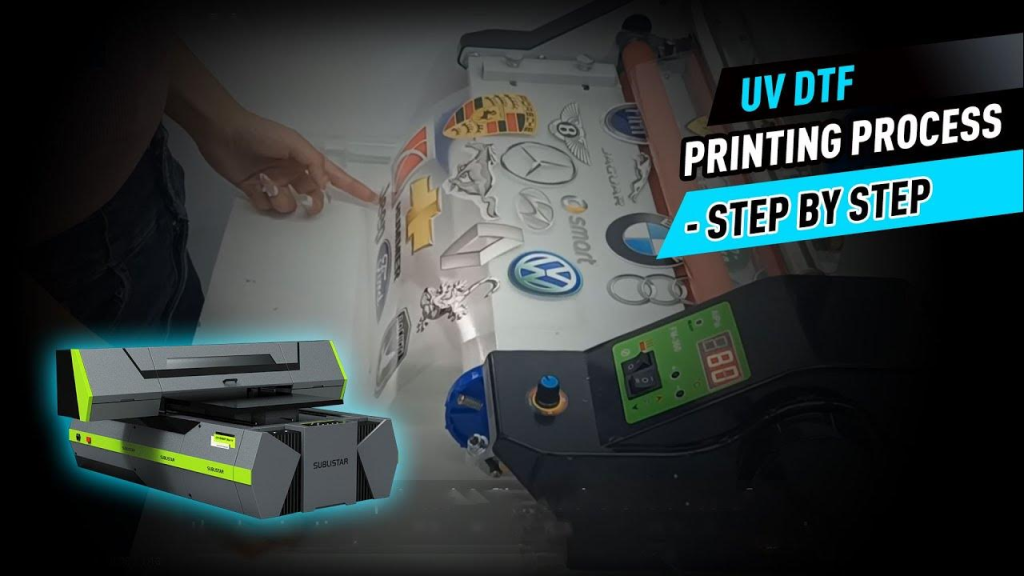
In the ever-evolving landscape of printing technology, UV DTF printing techniques are taking center stage, revolutionizing how designs are brought to life. This innovative printing method combines the advantages of UV printing and Direct-to-Film (DTF) printing, resulting in exceptional vibrant colors and durability. As businesses and creatives alike seek eco-friendly printing solutions, UV DTF stands out as a sustainable choice that minimizes waste while delivering stunning results. Utilizing advanced machinery like the E1 UV printer, this technique ensures that your print projects meet the highest standards of quality and environmental responsibility. Whether for custom apparel or promotional products, understanding UV DTF printing techniques can unlock new creative avenues for artists and entrepreneurs.
Exploring the realm of UV DTF printing, also known as Direct-to-Film printing, provides a glimpse into the future of high-quality visual communications. This technology employs ultraviolet curing processes paired with film transfers, making it an attractive option for those seeking vibrant and durable prints. Various industries are increasingly adopting this method as it offers not only excellent print quality but also supports eco-friendly printing practices that resonate with today’s sustainability-focused consumers. Many refer to this cutting-edge approach simply as DTF printing, emphasizing its versatility beyond textiles and into diverse applications such as promotional materials and artisanal creations. Embracing these advanced printing solutions can significantly enhance your project’s aesthetic and environmental impact.
Understanding UV DTF Printing Techniques
UV DTF printing is a remarkable hybrid of Direct-to-Film printing and ultraviolet curing technology, creating a unique process that allows for vibrant and durable prints. By using a specialized transparent film, UV inks are printed onto the surface, which is then cured under UV light, locking in color and providing resistance to fading and scratching. This cutting-edge technique eliminates the need for traditional screen printing methods, allowing for higher quality outputs that are both versatile and dynamic.
As a beginner, understanding the mechanics of UV DTF printing can significantly enhance your ability to create impressive designs. The use of UV-sensitive inks, combined with a detailed curing process, means that colors appear richer and textures can be more enhanced. This versatility allows printers to work on various substrates, expanding the potential applications for everything from apparel to custom promotional materials.
The Advantages of UV DTF Printing
One of the most appealing advantages of UV DTF printing is its ability to produce vibrant colors with high fidelity. The UV inks cure almost instantly when exposed to ultraviolet light, preserving the intended look of the design without distortion. This results in prints that are not only visually striking but also durable enough to withstand wear and tear, making them ideal for products that require longevity and quality.
Another significant benefit is the eco-friendly aspect of UV DTF printing. As businesses and consumers become more conscious of their environmental impact, the sustainability of printing processes becomes increasingly important. UV DTF printing reduces waste through efficient ink use and fewer materials in the film transfer process compared to traditional printing methods. This transition aligns perfectly with the industry’s move toward greener practices, allowing brands to present themselves as eco-conscious and responsible.
Applications of UV DTF Printing in Various Industries
The versatility of UV DTF printing opens up a plethora of applications across multiple industries. From custom apparel to promotional items, the technology can be used to create unique and engaging products that resonate with consumers. This flexibility makes it an invaluable asset for various businesses, giving them the ability to meet diverse market demands while promoting brand identity effectively.
In addition to textiles, UV DTF printing can also be utilized in industries such as signage, packaging, and even home decor. The method’s ability to produce high-quality prints on different substrates enhances its appeal, providing creative solutions for marketers and artists alike. This adaptability showcases just how far UV DTF printing can reach, and how its innovative techniques can cater to all facets of creatively driven businesses.
Choosing the Right Equipment for UV DTF Printing
Selecting the right UV DTF printer is essential for anyone serious about entering this vibrant world of printing. A competent machine provides a balance of quality, speed, and durability, allowing users to produce professional-grade outputs. The eufyMake UV Printer E1, for example, is an excellent choice for beginners and seasoned professionals due to its compact design and exceptional printing capabilities.
When evaluating printers, it’s also critical to consider features like material compatibility, ease of use, and setup requirements. A printer that supports a wide range of media opens up opportunities for various projects, from textiles to hard substrates. Investing in high-quality inks and films designed specifically for DTF printing will further enhance the quality of your work, ensuring that designs are vibrant and long-lasting.
Innovations Transforming UV DTF Printing
Innovation is at the heart of UV DTF printing, with continual advancements improving efficiency and creativity in the process. Features such as 3D-texture printing, available in some modern printers, add depth to printed items, allowing designers to create tactile experiences in their work. Such innovation not only differentiates products in a saturated market but also excites consumers looking for unique offerings.
Furthermore, the integration of eco-friendly inks in UV DTF printers marks a major step toward sustainable printing practices. Manufacturers are actively working to reduce the environmental footprint of their products while maintaining high standards of quality. This commitment to sustainability speaks volumes to environmentally conscious brands and consumers, ensuring that as technology progresses, the planet remains a priority.
Future Trends in UV DTF Printing
As the UV DTF printing market continues to grow, several key trends are emerging that shape its future. With an increasing demand for customized products, brands are beginning to adopt small-batch production methods that leverage UV DTF technology to meet consumer needs effectively. This shift not only supports personalized consumer goods but also encourages sustainable practices by minimizing over-production.
Moreover, the rapid advancement of software tools designed for UV DTF printing is simplifying the design-to-print process. Enhanced designs and ease of operation allow creatives to experiment with different styles, driving innovation within the industry. Ultimately, keeping an eye on these trends will be essential for anyone looking to stay ahead in the fast-paced world of UV DTF printing.
Frequently Asked Questions
What are the advantages of using UV DTF printing techniques over traditional printing methods?
UV DTF printing techniques combine the vibrancy of UV inks with the versatility of Direct-to-Film printing. This method allows for faster curing times and produces highly durable prints that can withstand various environmental conditions. Additionally, UV DTF is an eco-friendly printing option that reduces waste and uses sustainable materials, making it a great alternative to traditional printing methods.
How does the eco-friendly nature of UV DTF printing contribute to sustainability in the printing industry?
UV DTF printing techniques are considered eco-friendly because they utilize UV-cured inks that emit fewer volatile organic compounds (VOCs) during the printing process. This not only reduces harmful emissions but also decreases waste, as the ink cures instantly, resulting in less runoff and lower resource consumption. By adopting these sustainable practices, businesses can align themselves with modern environmental standards.
What types of materials can I use with UV DTF printing techniques?
One of the hallmarks of UV DTF printing techniques is their versatility. You can print on a wide range of materials, including textiles, plastics, metal, and wood. This adaptability makes UV DTF a preferred printing method for various applications, such as promotional products, signage, and custom home decor.
Can UV DTF printing techniques be used for creating 3D textures in prints?
Yes, certain UV DTF printers, like the eufyMake UV Printer E1, offer 3D-texture printing capabilities. This innovative feature allows users to create prints with three-dimensional effects, enhancing the tactile quality of printed items. This is especially useful for promotional products that require a unique and eye-catching finish.
What should beginners know before starting with UV DTF printing techniques?
Beginners interested in UV DTF printing should research and select the right equipment tailored to their needs, focusing on printer capabilities, material compatibility, and print quality. It’s also crucial to choose high-quality eco-friendly inks and films, explore design software options, and familiarize themselves with the complete printing process to achieve the best results.
How is the market for UV DTF printing techniques evolving, and what are the trends to watch?
The UV DTF printing market is on the rise due to increasing demand for customized products. Trends include a growing focus on sustainability and eco-friendly practices, as evidenced by companies adopting innovative approaches within their DTF processes. The versatility of UV DTF printing techniques is expanding beyond the textile industry, making it a popular choice for promotional merchandise and various creative applications.
| Key Point | Description |
|---|---|
| Introduction | Introduction to the significance of UV DTF printing in creative industries. |
| What is UV DTF Printing? | A method combining Direct-to-Film and UV curing processes for vibrant, durable prints on various materials. |
| Key Benefits | Includes vibrant colors, wide applications, and an eco-friendly process reducing waste. |
| Innovations | Recent advancements like the eufyMake UV Printer E1 enhance accessibility and features for UV DTF printing. |
| Getting Started | Guidelines for new users including equipment selection, ink quality, design software, and understanding processes. |
| Market Trends | Growing demand for customization drives businesses to adopt UV DTF printing; sustainability is a major trend. |
| Conclusion | Highlights the potential and benefits of UV DTF printing for artistic expression and sustainability. |
Summary
UV DTF printing techniques represent a breakthrough in the world of creative printing, marrying aesthetics with environmental responsibility. As this innovative method gains popularity, it offers diverse applications across materials, resulting in vibrant designs that truly stand out. Beginners eager to explore artistic avenues can leverage the benefits of UV DTF printing, which not only enhances creativity but also promotes sustainable practices that align with contemporary consumer values.