
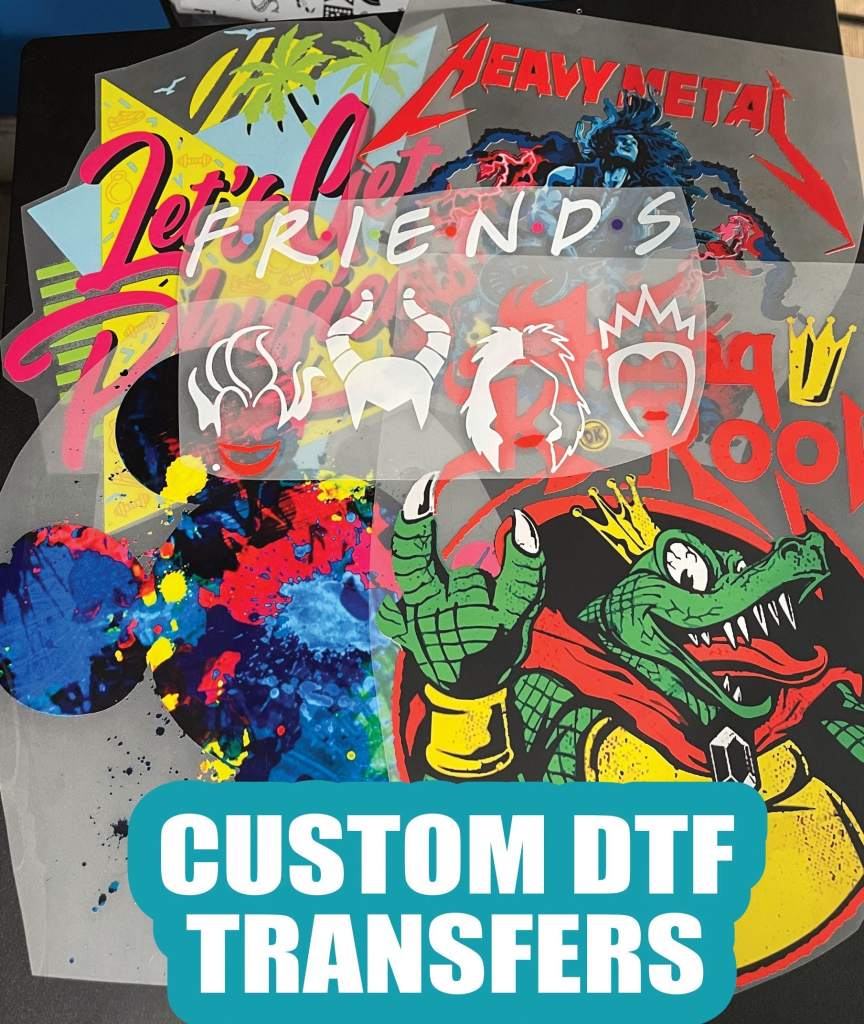
DTF transfers, or Direct to Film transfers, represent a groundbreaking solution in the realm of custom apparel printing. This innovative technique allows for the direct application of intricate designs onto various fabric types, making it an ideal choice for businesses looking to create eye-catching, personalized items. As compared to traditional screen printing, DTF offers unparalleled color vibrancy and detail, which are essential for standing out in the competitive custom clothing market. With the demand for sophisticated and high-quality prints on the rise, understanding the nuances of DTF versus screen printing is vital for any brand. This introduction to DTF printing not only highlights its advantages but also prepares you to delve deeper into a comprehensive printing methods comparison.
Direct to Film printing, commonly referred to as DTF, has redefined the landscape of garment decoration and customization. By enabling the transfer of vivid and detailed graphics directly onto textiles, this method caters to the needs of modern apparel manufacturers seeking flexibility and creativity. Unlike conventional screen printing, which often requires complicated setups for varying designs and runs, DTF simplifies the process, making it accessible for small-scale productions and rapid developments. This exploration of different printing techniques reveals the strengths and suitability of each option, particularly as DTF contrasts with solid traditions like screen printing. Understanding these alternatives can empower businesses to choose the most effective method for their custom printing requirements.
An Overview of DTF Transfers
DTF Transfers, or Direct to Film transfers, represent one of the latest advancements in the field of custom apparel printing. What sets this technique apart is its ability to deliver a striking balance of color vibrancy and detail, making it ideal for intricate designs that other methods struggle to reproduce. Unlike traditional screen printing, which relies on a labor-intensive setup, DTF printing operates with a streamlined process that reduces both production time and costs for smaller batches.
Furthermore, DTF transfers have gained popularity due to their fabric versatility. This printing method can be applied to various materials, including cotton, polyester, and blends, offering businesses the flexibility needed in today’s diverse clothing market. As such, DTF has become a favored choice for those looking to create unique, eye-catching apparel that stands out in a competitive landscape.
Benefits of Using DTF Transfers
One of the standout benefits of DTF transfers is their vibrant color reproduction. The technology enables users to achieve rich and bold colors that do not fade easily over time. This longevity makes DTF an excellent option for apparel that can endure washes and wear without losing its appeal. Additionally, the fine detailing achievable with DTF printing allows for the creation of complex designs that might be challenging to realize with screen printing.
Moreover, the reduced setup times associated with DTF Transfers make them particularly advantageous for businesses focused on customization. With minimal preparation required, companies can efficiently handle small orders, adapting designs quickly without the hassle of screen preparation, making DTF a strategic choice for personalized merchandise.
DTF Transfers vs. Screen Printing
When comparing DTF transfers with screen printing, there are notable differences that can influence a business’s choice of printing method. Screen printing is recognized for its effectiveness in larger runs due to its cost efficiency on volume orders. However, this traditional technique necessitates extensive setup, which can be a drawback for small businesses needing flexible production capabilities on various designs.
In contrast, DTF offers a more adaptable solution. The ability to transfer intricate graphics without the requirement for multiple screens translates into faster turnaround times for limited runs. This is especially beneficial for companies that prioritize personalized or detailed designs, allowing them to cater to changing market demands without incurring excessive costs or delays.
Evaluating Print Quality and Durability
Both DTF and screen printing provide high-quality results but deliver differing textures and feel on fabric. DTF prints maintain a soft touch while retaining vibrancy on dark fabrics, which is crucial for clothing that is comfortable to wear. Conversely, screen printing can produce extremely durable prints, albeit with a potential stiffness in texture that some consumers may find less appealing.
Durability is another critical factor in this comparison. DTF prints are often praised for their softness, resulting from the film application method. This attribute enhances the overall feel of the garment, making it a suitable option for everyday apparel. Meanwhile, screen printing is renowned for its resilience, especially when protection from fading and abrasions is prioritized, demonstrating that each method has its own merits.
Cost Analysis of DTF vs. Other Methods
Understanding the financial implications of DTF transfers is essential for businesses evaluating their printing options. With generally lower startup costs and simplified processes, DTF provides an attractive entry point for emerging businesses or those exploring small run projects. The minimal requirement for setup translates to reduced labor costs, making it an operationally economical choice.
In contrast, screen printing tends to be more cost-effective for large orders due to economies of scale; however, the significant initial investment can pose a barrier for smaller businesses. This comprehensive analysis of costs associated with different printing processes can help owners make informed financial decisions about their production strategies.
Making Informed Choices for Printing Needs
Ultimately, the choice between DTF transfers, screen printing, and other printing methods should be informed by your specific business needs, design intricacies, and order volumes. DTF prints stand out for their vibrancy and adaptability, positioning them well for small to medium-sized production runs. New trends in custom apparel printing lean toward this innovative approach to meet customer demands easily.
On the other hand, screen printing remains a staple in the industry, particularly for bulk orders that require consistency and durability. By carefully weighing the strengths and weaknesses of each method, businesses can align their printing strategies with their goals, ensuring both artistic vision and market efficacy are achieved.
Frequently Asked Questions
What are the main advantages of DTF Transfers over screen printing?
DTF Transfers offer several advantages over screen printing, including vibrant color reproduction, the ability to print fine details and intricate designs, and versatility to use on various fabric types. Unlike screen printing, DTF printing requires less setup time, making it ideal for small order runs and custom apparel printing.
How does the setup process for DTF Transfers compare to screen printing?
The setup process for DTF Transfers is significantly quicker and requires less initial investment than screen printing. In screen printing, each design needs a separate screen setup, which can be time-consuming and costly for small batches. In contrast, DTF printing allows for quick design changes without needing new screens, making it an efficient option for businesses.
What types of fabrics can DTF Transfers be used on?
DTF Transfers are highly versatile and can be used on a wide range of fabric types, including cotton, polyester, and various blends. This capability allows businesses to produce custom apparel printing that caters to diverse customer preferences, including darker materials and textured fabrics.
Are DTF Transfers more cost-effective for small orders compared to screen printing?
Yes, DTF Transfers are generally more cost-effective for small orders. The lower initial setup costs and reduced labor requirements make DTF an attractive option for businesses that focus on custom apparel printing and smaller batch runs. In contrast, screen printing may only become economical at larger quantities due to higher initial investment.
What is the print quality like for DTF Transfers vs. screen printing?
DTF Transfers are known for producing soft, vibrant prints that maintain their detail well on dark fabrics. Screen printing also provides high-quality prints, but may sometimes result in a thicker, plastic feel. For intricate designs, DTF is superior, while screen printing works best for simpler graphics in bulk.
In what situations is DTF Transfers a better choice than other printing methods?
DTF Transfers are a better choice for small to medium-sized print runs that require vibrant colors and intricate designs, making them perfect for custom apparel printing. They excel in situations where quick turnaround and flexibility are necessary, while screen printing remains preferable for larger orders with simpler designs.
| Key Feature | DTF Transfers | Screen Printing |
|---|---|---|
| Application Method | Transfers design onto fabric using heat after printing on film | Presses ink through a mesh screen directly onto the fabric |
| Color Vibrancy | Rich, vibrant colors that resist fading | Colors may fade over time and depend on ink quality |
| Detail and Complexity | Excellent for fine details and multi-color graphics | Limited by screen preparation; best for simpler designs |
| Fabric Compatibility | Suitable for various fabrics, including dark and textured materials | Works best on lighter fabrics; may not adhere well to certain types |
| Setup Time | Reduced setup time, quick for small batches | Lengthier setup process, especially for small orders |
| Cost Considerations | Lower startup costs, suitable for smaller businesses | Economical for large volumes but higher initial investment |
Summary
DTF Transfers represent a transformative technique in the world of custom printing, especially when compared to traditional methods like screen printing. As businesses navigate their printing options, understanding the unique advantages of DTF Transfers—such as vibrant colors, fine detailing, and fabric versatility—can greatly influence their selections. Those looking for innovative and flexible printing solutions will find DTF Transfers to be particularly suited to their needs, whereas screen printing remains optimal for larger, simpler designs. By choosing the right method for your specific requirements, you can enhance your product offerings and meet customer demands effectively.