
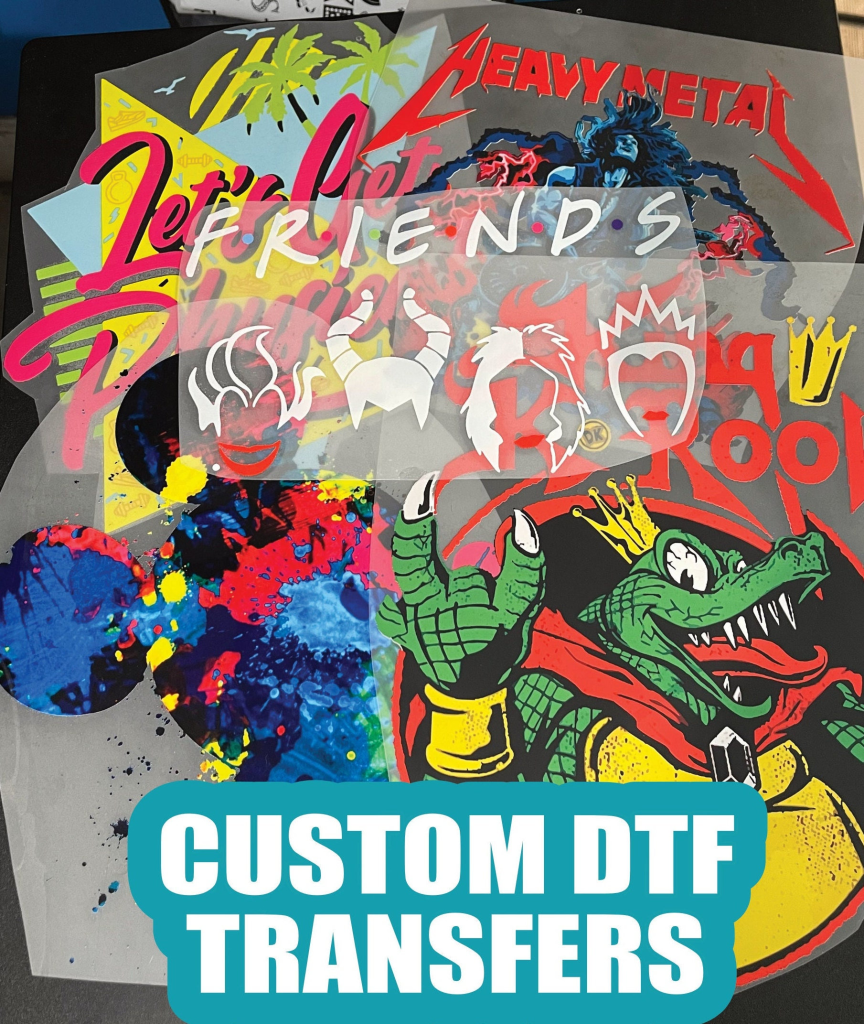
In the dynamic realm of garment decoration, DTF transfers, or Direct to Film transfers, are quickly gaining recognition for their remarkable capabilities. This innovative printing method allows for the application of stunning and intricate designs onto a wide array of fabrics, ramping up creativity for both commercial and personal projects. DTF printing stands out by producing high-quality, vibrant images that rival those generated by traditional techniques. As we delve into the pros and cons of DTF transfers, you’ll appreciate the balance this versatile printing method offers, helping creatives make informed decisions in their textile endeavors. Prepare to explore how DTF can revolutionize your approach to garment printing and meet the demands of modern fashion enthusiasts efficiently.
Often referred to as direct to film printing, DTF transfers combine efficiency with creativity in the world of textile arts. This alternative printing method has redefined how designs are transferred onto fabrics, offering impressive versatility and color vibrancy that appeals to a broad audience. By examining the benefits and challenges associated with DTF transfers, potential users can determine its suitability for various printing needs, from custom apparel to professional designs. Understanding the nuances of this technique, including its material compatibility and production speed, equips users with the knowledge needed to harness this technology effectively. As you consider incorporating DTF transfers into your fabric printing repertoire, a closer look at its features will illuminate whether it aligns with your creative vision.
Understanding DTF Printing and Its Benefits
Direct to Film (DTF) printing has revolutionized the garment decoration industry by offering an efficient and effective means of transferring designs onto various fabrics. This method allows for high-quality prints that maintain vibrancy and detail, making it a preferred choice among many printers. DTF printing utilizes a unique technology where inks are printed onto a film, which is then heat transferred onto the fabric. Its ability to produce stunning color gradients and intricate designs sets it apart from traditional methods, allowing artists and businesses to explore their creativity without limits.
One of the key benefits of DTF transfers is their versatility. Unlike traditional methods that may be limited to specific types of fabrics, DTF printing can be applied to cotton, polyester, and blended materials with ease. This broad compatibility allows businesses to target various markets, catering to custom orders for t-shirts, hoodies, hats, and more. Moreover, the application process is simplified by requiring only a heat press, making it accessible for small businesses and hobbyists alike looking to expand their product offerings.
Pros and Cons of DTF Transfers in Garment Decoration
While DTF transfers offer dazzling advantages, it’s crucial to weigh them against potential downsides. As mentioned, the vibrant quality of prints makes DTF a favorite; however, durability can sometimes be an issue. The longevity of DTF prints may vary based on fabric quality, washing conditions, and overall care. This is pivotal for brands that emphasize product durability and longevity, as frequent peeling or fading could impact customer satisfaction and brand reputation.
Furthermore, the initial setup costs associated with DTF printing are generally lower compared to screen printing, but ongoing material costs can add up. The need for specialized transfer films and high-quality inks means businesses should carefully consider their purchasing strategy to maintain profitability. Balancing the pros with the cons, it becomes evident that while DTF transfers can enhance production efficiency, careful planning and execution are paramount for achieving desired results.
The Application Process of DTF Transfers and its Ease
Applying DTF transfers is relatively straightforward, which is one of the method’s most attractive features. To begin, the design is printed onto a transfer film and subsequently coated with a special adhesive layer. Afterward, the heat press is utilized to apply the transfer onto the garment. This process not only simplifies the overall application but also allows for quick adjustments, enabling small businesses to respond rapidly to customer demands and seasonal trends.
This ease of use is especially beneficial for beginners venturing into the realm of garment decoration. Many users find that investing time in mastering the heat press settings pays off by minimizing errors and maximizing quality. With practice, even those new to the printing scene can achieve professional results, thereby boosting confidence and expanding their creative horizons.
A Comparative Look: DTF Transfers vs. Other Printing Methods
Comparing DTF transfers with other popular printing methods, such as screen printing or sublimation, reveals distinct differences in process, quality, and application. While screen printing is often viewed as the standard in producing high-quality prints, it comes with limitations, particularly concerning fabric choices and upfront setup costs. In contrast, DTF offers flexibility in fabric compatibility and a more affordable entry point for those looking to start a small printing venture.
Sublimation, another popular method, has its merits, especially for polyester fabrics, but may not offer the same level of detail as DTF transfers. Additionally, sublimation requires the use of white or light-colored fabrics for optimal results, while DTF prints can effectively be applied to dark garments as well. Through this comparative analysis, prospective printers can make informed decisions tailored to their specific needs and target markets.
Addressing Durability Concerns in DTF Transfers
Durability is a primary concern when choosing a printing method, and DTF transfers invite thoughtful consideration in this area. Users often question whether the vibrant prints will withstand the rigors of frequent washing and everyday wear. Although DTF prints are designed to be durable, they may not rival the robustness of screen prints, particularly under heavy-use conditions. Therefore, it is essential for businesses to communicate care instructions clearly to customers to ensure the longevity of their products.
Practitioners of DTF printing can mitigate some durability issues by selecting high-quality materials and adhering to proper application techniques. By investing in reputable inks and transfer films and maintaining recommended heat press settings, users can significantly enhance the lifespan of their DTF designs. Continuous education and practice become vital for ensuring that the prints remain crisp and intact over time.
Cost Considerations for Starting DTF Printing
Starting a DTF printing operation involves various cost factors that aspiring entrepreneurs must consider. While the initial setup costs are generally lower than those associated with screen printing, buyers should remain mindful of ongoing material expenses, which can add up quickly. The price of high-quality transfer films and inks should be factored into the budget to ensure that their business remains profitable in the long run.
Additionally, it may be tempting for newcomers to minimize initial stock levels to save funds. However, ordering materials in larger quantities could lead to cost savings per unit, ultimately benefiting larger orders and increasing profit margins. Entrepreneurs should assess their expected volume of orders and budget accordingly to optimize their DTF printing endeavor.
Frequently Asked Questions
What are DTF transfers and how do they work?
DTF transfers, or Direct to Film transfers, are a printing method that allows for high-quality designs to be printed on transfer film that can then be applied to various fabrics using a heat press. The process involves printing a design onto a special film, applying an adhesive, and then heat pressing the film onto the desired substrate, resulting in vibrant and detailed images.
What are the pros and cons of DTF transfers compared to other printing methods?
The pros of DTF transfers include versatility in fabric compatibility, vibrant print quality, ease of application, shorter production times, and lower setup costs. However, the cons can include concerns about durability, a steep learning curve for beginners, potential adhesive issues, and high material costs when purchased in small quantities.
Are DTF transfers suitable for all types of fabrics?
Yes, DTF transfers are known for their versatility and can be applied to a wide range of fabrics, including cotton, polyester, and fabric blends. This makes them an excellent choice for various garment decoration projects, from custom t-shirts to specialized sportswear.
How does the durability of DTF printing compare to screen printing?
While DTF printing provides vibrant results, its durability can be less than that of screen printing. DTF prints may not withstand heavy washing or constant wear as effectively as screen-printed items, necessitating careful care to avoid peeling or fading over time.
What do beginners need to know about starting with DTF transfers?
Beginners should be prepared for a learning curve when starting with DTF transfers. Understanding the equipment, inks, and transfer films is crucial for achieving successful results. It’s also essential to follow guidelines accurately to prevent issues with adhesive application and ensure high-quality finished products.
What are the cost implications of using DTF transfers for garment decoration?
While DTF printing generally has a lower upfront cost compared to methods like screen printing, the expenses for materials, such as transfer films and inks, can add up. Beginners should be strategic about their inventory to manage costs effectively, particularly as purchasing materials in larger quantities can help reduce per-unit prices.
| Advantages of DTF Transfers | Disadvantages of DTF Transfers |
|---|---|
| Versatile Fabric Compatibility: DTF transfers can be applied to various materials (cotton, polyester, blends), allowing access to diverse markets. | Durability Concerns: DTF prints may not withstand heavy washing or frequent wear as well as screen-printed products, leading to potential peeling or fading. |
| High-Quality Prints: Produces vibrant colors and intricate designs, often superior to traditional screen printing. | Learning Curve: New users may face challenges mastering the specialized equipment, inks, and transfer films. |
| Ease of Application: Simple process with just a heat press needed for application, enabling efficient production. | Potential for Adhesive Issues: Incorrect application or heat settings can lead to peeling or lifting of designs. |
| Shorter Production Time: Faster than traditional methods, ideal for smaller orders or custom designs. | Cost of Materials: While initial costs may be low, materials like inks and transfer films can be expensive, impacting profitability. |
| Lower Setup Costs: Accessible for small businesses and hobbyists, reducing barriers to start printing. | Material Costs: Small batch purchases can lead to higher unit prices, affecting overall profit margins. |
Summary
DTF transfers have revolutionized the printing landscape with their notable versatility, efficiency, and high-quality output, making them an ideal choice for businesses and creators connected to custom apparel. This method offers vast compatibility with various fabrics, allowing for a range of applications from trendy clothing to sporting goods. While there are valid concerns regarding durability and the learning process, the advantages often outweigh the challenges, especially when considering lower setup costs and quicker production times. As the landscape of textile printing continues to evolve, understanding the intricacies of DTF transfers will empower you to elevate your creative ventures effectively.