
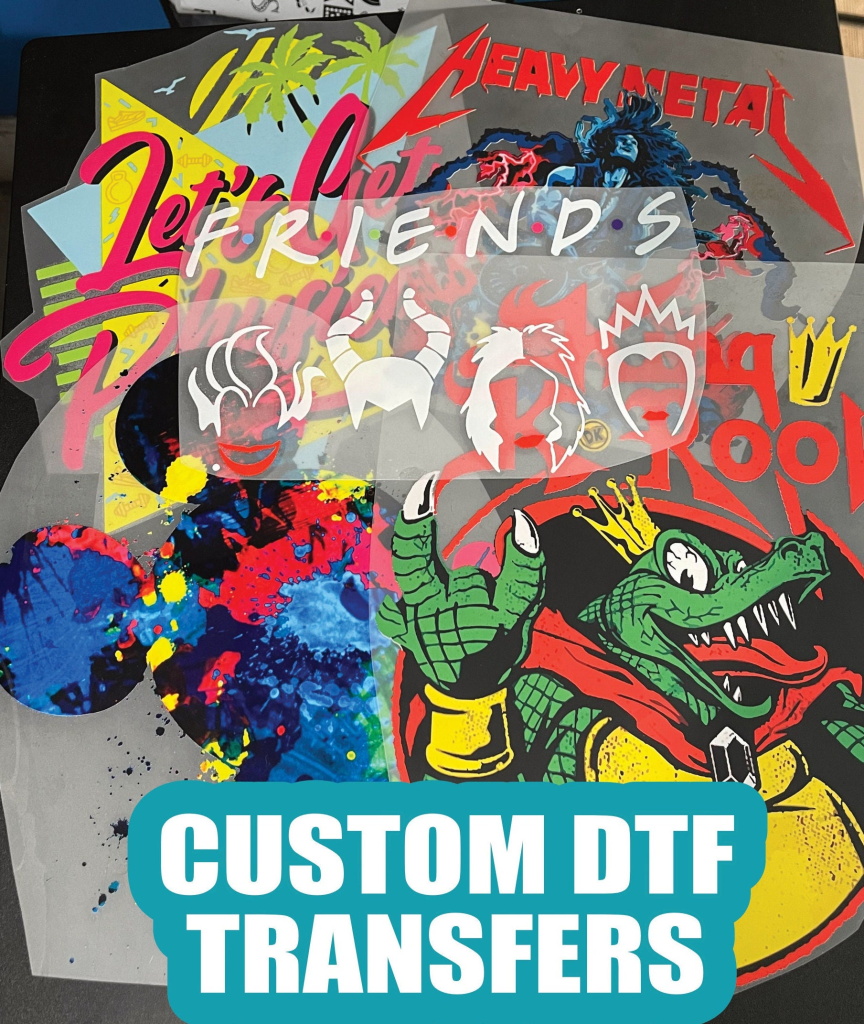
DTF transfers, or Direct to Film transfers, have surged in popularity among apparel customization enthusiasts due to their ability to produce vibrant, lasting designs. This innovative printing technique allows for detailed images and a rich color palette, making it perfect for everything from custom t-shirts to hoodies. In this guide, we will delve into effective DTF printing tips, ensuring you master essential techniques for achieving stunning results. Whether you are just starting out or looking to refine your skills, these insights will help elevate your DTF transfer game to new heights. Join us as we explore the nuances of DTF printing, empowering you to create beautiful custom DTF designs that grab attention and stand the test of time.
Exploring the world of transfer printing brings us to a fascinating method known for its efficiency and creativity: films used in textile printing, often referred to as DTF techniques. This approach to fabric decoration allows artists and commercial creators alike to apply unique prints onto various apparel effortlessly. As we navigate through the essentials of this technique, you’ll discover the significance of mastering quality prints, adhesive applications, and heat press methods that are vital for successful outcomes. Emphasizing custom designs and apparel enhancement, we will provide important tips that cater to both novice and seasoned printers. Embrace the art of customization with these practical insights into DTF transfer methods, setting the stage for your next creative endeavor.
Discovering the Benefits of DTF Transfers for Apparel Customization
DTF transfers offer an unparalleled method for customizing apparel, allowing any design to be applied seamlessly onto a variety of fabrics. One of the key benefits of this technique is its capacity to maintain vibrant colors and intricate details that are often lost in other printing methods. Unlike traditional screen printing, DTF printing allows for a broader color palette, making it perfect for intricate designs and personalized items. This adaptability makes DTF a favorite among designers looking to stand out in the competitive world of custom clothing.
Additionally, DTF transfers provide durability that can withstand the rigors of regular wear and washing. With the right choice of high-quality films and inks, designs remain vivid and intact over time. This longevity is crucial for customers seeking value in their purchases, as well as for businesses aiming to build trust through quality offerings. Therefore, understanding the benefits of DTF transfers should be a priority for anyone serious about apparel customization.
Moreover, the environmental impact of DTF printing can be more favorable compared to other methods. With fewer materials wasted and the ability to print on demand, businesses can limit their inventory and reduce excess production. This approach not only minimizes waste but also aligns with growing consumer preferences for sustainable practices. As trends shift towards eco-friendlier solutions, incorporating DTF transfers can be a strategic choice for brands aiming to appeal to environmentally conscious customers.
In summary, the benefits of DTF transfers extend beyond aesthetics. The combination of vibrant and durable prints makes them an essential tool in the realm of apparel customization, fostering creativity while considering sustainability.
Mastering DTF Printing Techniques: Essential Tips for Quality Results
To achieve high-quality results using DTF printing, mastering specific techniques is essential. First and foremost, ensuring your printer settings are optimized is crucial. Using the highest quality print settings available will help in capturing the intricate details of your design. It’s also important to select the correct color profiles to achieve stunning color accuracy; this alignment ensures that the colors you see on-screen translate well onto fabric.
Another vital technique is utilizing white ink effectively. White ink acts as a foundation for your colors, especially when printing on dark materials. Ensuring your printer can handle white ink will enable you to enhance the vibrancy of your design. Coupled with rigorous testing of your settings and designs before executing large prints can save effort and resources in the long run, making quality optimization an essential part of the DTF printing process.
Moreover, keeping your workspace organized will help streamline the DTF printing process. Having all necessary materials, such as films, inks, and heat presses, readily accessible reduces errors and improves workflow efficiency. Standardizing your procedures, such as creating checklists for your application process, can enhance consistency across different projects. By focusing on these essential techniques, you can significantly improve your DTF printing results.
In conclusion, mastering DTF printing techniques requires attention to detail and a thorough understanding of the equipment. By ensuring optimized printer settings and employing proper techniques, you can achieve eye-catching and lasting results.
Choosing the Right Materials for Effective DTF Transfers
Selecting the appropriate materials is crucial when it comes to executing effective DTF transfers. High-quality films tailored specifically for DTF applications should be at the top of your list, as they guarantee better adhesion and longevity in your designs. These films can adhere expertly to various textiles, thus providing versatility in your apparel customization efforts. When choosing the right material, consider the fabric type of the garment, as different materials react differently to transfers, affecting the overall quality of the print.
Additionally, the choice of ink plays a significant role in achieving vibrant and clear images. Using inks specifically formulated for DTF printing enables you to maximize color vibrancy and clarity in your designs. It’s recommended to conduct test prints on each type of fabric you plan to use to ascertain the best combination of film and ink for the desired effect. These preliminary tests can guide your decisions, ensuring you achieve optimal results when it’s time to produce your final designs.
Furthermore, investing in premium quality materials not only improves the appearance of your prints but also enhances the durability of your apparel. Customers appreciate quality apparel that stands the test of time, and by using top-tier films and inks, you ensure that your designs will last through countless washes.
Ultimately, the materials you choose for DTF transfers are foundational to the quality of your finished products. Prioritizing high quality will lead to greater satisfaction among your customers and set the standard for your custom apparel.
Detailed DTF Printing Process: Step-by-Step Guidance
Understanding the detailed DTF printing process is essential for beginners and seasoned professionals alike. The first step begins with preparing your design, which involves selecting the right graphics software to create your image. Once your design is ready, you’ll need to print it onto the DTF film using a compatible printer. Pay attention to the printer settings and ensure that you are using the appropriate color profiles and print quality to achieve the best results.
After the initial printing, the next step involves applying hot melt powder to the printed film. This powder is crucial for ensuring that the ink adheres properly to the fabric. While the printed design is still warm, apply the powder evenly across the area where the ink has been applied, ensuring complete coverage for strong adhesion. Following this, utilize a heat press to melt the powder onto the ink, solidifying the attachment to the garment.
Next, the actual transfer involves preheating the garment to remove any moisture or wrinkles in the fabric. This improves adhesion and reduces the likelihood of imperfections in the final design. With the heat press set at the recommended temperature and pressure, make your transfer application, ensuring even pressure for the best quality results.
Finally, allow your design to cool before peeling off the film. This ensures the design has solidified correctly and adheres well to the fabric. By following this detailed process thoughtfully, you can master DTF printing and produce stunning apparel designs.
Common DTF Printing Mistakes and How to Avoid Them
In the journey of mastering DTF printing, avoiding common mistakes is crucial for achieving quality results in your apparel customization. One of the frequent pitfalls is neglecting to test your settings before starting a full production run. Issues such as incorrect printer alignment or unsuitable temperature settings can lead to subpar results, wasting materials and time. Always conduct a sample print on the intended fabric type to troubleshoot any potential problems.
Another mistake often encountered is improper application of the hot melt powder. Applying too much or too little powder can lead to adhesion issues, with designs either not sticking to the garment correctly or excess visible powder remaining post-transfer. To avoid these mistakes, develop a clear and efficient application process and use guidance from manufacturer recommendations for optimal results.
Oversights in post-transfer care can also affect the longevity of your designs. For instance, failing to provide proper washing instructions can lead to early deterioration of the transfers, disappointing customers. Always inform your clients about washing conditions and any other care instructions that will help maintain the design quality.
By recognizing these common mistakes and employing preventive measures, you can refine your DTF printing process and achieve better outcomes for your custom apparel projects.
Innovative Trends in DTF Printing You Should Know
The world of DTF printing is constantly evolving, and staying abreast of the latest trends can give you a competitive edge in apparel customization. One notable trend is the use of eco-friendly inks and materials that cater to environmentally conscious consumers. As the demand for sustainable fashion grows, incorporating DTF printing solutions that utilize biodegradable films and water-based inks can attract a broader audience and enhance your brand image.
Another innovative trend is the integration of new technologies such as automated cutting machines and advanced design software that streamline the DTF printing process. These innovations reduce the time and labor required to produce custom designs, making it easier for small businesses and startups to enter the market. By embracing technology, you can enhance workflow efficiency, allowing you to focus more on creativity and design rather than on manual processes.
Moreover, customization offerings like all-over prints and layering techniques are trending in DTF printing. Customers are increasingly seeking unique designs that reflect their personal style, and these advanced techniques enable you to cater to such requests effectively. By exploring the innovative trends in DTF printing, you can keep your offerings fresh and appealing to your target audience.
Ultimately, staying updated with trends not only improves your DTF printing skills but also positions your business as a forward-thinking and customer-driven brand in the apparel customization industry.
Frequently Asked Questions
What are DTF transfers and how do they work?
DTF transfers, or Direct to Film transfers, are a printing technique that involves printing designs onto a special film. This film is then heat pressed onto fabric, allowing for vibrant and durable designs suitable for custom apparel. The process includes selecting the right film, printing, and applying with heat for successful results.
What are the best materials for DTF printing?
The best materials for DTF printing include high-quality DTF films and inks specifically formulated for this process. Choosing compatible films ensures better adhesion and durability, while compatible inks help achieve vibrant colors and clear images that stand out on custom DTF designs.
What are some DTF printing tips for beginners?
Some essential DTF printing tips for beginners include ensuring high-quality print settings on your printer, using a layer of white ink for dark fabrics, and testing your designs before applying them en masse. Familiarizing yourself with heat press techniques and post-transfer care will also lead to better results.
How can I ensure proper adhesion with DTF transfers?
To ensure proper adhesion with DTF transfers, apply a hot melt powder while the printed film is still warm and then use a heat press at the recommended temperature and pressure. Proper application and following the manufacturer’s guidelines are crucial for achieving a durable bond with the fabric.
What is the importance of heat press techniques in DTF printing?
Heat press techniques are vital in DTF printing as they determine the quality of the transfer. Pre-pressing garments eliminates moisture and wrinkles, while applying the transfer with the right pressure helps ensure that the design adheres properly, resulting in a long-lasting custom apparel design.
What are the washing instructions for garments with DTF transfers?
To maintain the quality of garments with DTF transfers, always wash them inside out in cold water. Avoid bleach and use mild detergents to protect the design and ensure its vibrancy and durability over time.
| Key Aspect | Tips and Tricks |
|---|---|
| Understanding DTF Transfers | DTF transfers print designs on film for vibrant, durable fabric applications like t-shirts and hoodies. |
| Choosing the Right Film and Ink | Select high-quality DTF films and compatible inks to ensure vibrant colors and durability. |
| Optimizing Printer Settings | Use the highest quality print settings and appropriate color profiles for best results. |
| Powder Adhesion Techniques | Apply hot melt powder while ink is warm, then use heat press to ensure proper adhesion. |
| Heat Press Techniques | Pre-press garments to remove moisture and wrinkles for better design application. |
| Post-Transfer Care Tips | Wash garments inside out with mild detergent to preserve the transfer quality. |
| Continuous Learning and Experimentation | Stay engaged with online communities and continuously test new techniques to refine skills. |
Summary
DTF transfers are a revolutionary technique in apparel customization, allowing for stunning and durable designs. This process involves printing intricate designs onto a special film, which is then transferred onto fabric using a heat press. To achieve exceptional results, it’s essential to select high-quality films and inks, optimize printer settings, and master the heat-pressing technique. Continuous experimentation and engagement with the DTF community will elevate your skills, leading to impressive prints that stand the test of time. Overall, mastering DTF transfers opens endless creative possibilities for apparel designers.